✓ Commissions are typically paid by the seller from the sale proceeds.
✓ The average total commission rate in the US ranges from 5% to 6%.
✓ Commission rates are negotiable and not fixed by law.
✓ The total commission is usually split between the seller's agent and the buyer's agent.
How It Works
1
Agree on Commission Rate
Before listing, the seller and their agent agree on a total commission rate, which is documented in the listing agreement.
2
Agent Represents Interests
Both the seller's agent and the buyer's agent work to represent their respective clients throughout the transaction, from listing to closing.
3
Sale Closes Successfully
Upon successful closing of the home sale, the agreed-upon commission becomes due and is typically deducted from the sale proceeds.
4
Commission Distribution
The total commission is then split between the seller's broker and the buyer's broker, who in turn pay their individual agents.
Understanding the Basics of Real Estate Agent Commission
Photo: JESHOOTS.com / Pexels
When you embark on the journey of buying or selling a home, one of the most significant financial considerations you'll encounter is the real estate agent's commission. This fee compensates the professionals who guide you through what can be a complex and often emotional process. At its core, a real estate agent's commission is a percentage of the final sale price of a property, paid to the real estate brokers involved in the transaction. It's crucial to understand that this isn't a fixed, government-mandated fee; rather, it's a negotiated rate between the seller and their listing agent, typically outlined in the listing agreement. Historically, the average total commission in the United States has hovered around 5% to 6% of the home's sale price. However, this figure can vary based on market conditions, property value, geographic location, and the services provided by the agents. It's also important to note that this 'total commission' is almost always split between two parties: the seller's agent (or listing agent) and the buyer's agent (or selling agent). Each of these agents then typically shares a portion of their take with their respective brokerage firms. So, if a home sells for $400,000 with a 6% commission, that's $24,000. This $24,000 would then likely be split, with $12,000 going to the seller's broker and $12,000 to the buyer's broker, who then pay their agents according to their individual agreements. This structure ensures that both sides of the transaction are incentivized to facilitate a successful sale. Understanding this fundamental breakdown is the first step in demystifying real estate commissions and preparing yourself for the financial aspects of your real estate transaction. It's not just a single fee; it's a system designed to compensate a network of professionals for their expertise and effort. For further reading on the roles agents play, you might find our article on the importance of a good real estate agent helpful.
Who Pays and How is Real Estate Commission Calculated?
Photo: SHVETS production / Pexels
A common misconception among first-time homebuyers is that they will directly pay a commission to their agent. In the vast majority of residential real estate transactions in the US, the seller is responsible for paying the entire real estate commission. This payment is typically deducted from the proceeds of the sale at closing. The seller agrees to a total commission rate with their listing agent when they sign the listing agreement. This agreement specifies the percentage of the sale price that will be paid as commission and also outlines how much of that total commission will be offered to the buyer's agent as an incentive to bring a buyer. For example, if a seller agrees to a 6% total commission, their listing agreement might stipulate that 3% will go to the listing broker and 3% will be offered to the buyer's broker. When a buyer's agent successfully brings a client who purchases the home, that buyer's agent (and their brokerage) receives their portion of the commission from the seller's proceeds. The calculation is straightforward: simply multiply the agreed-upon commission rate (as a decimal) by the final sale price of the home. For instance, if a home sells for $500,000 and the total commission rate is 5.5%, the total commission paid would be $500,000 * 0.055 = $27,500. This $27,500 is then distributed between the two brokerages involved. It's crucial for sellers to factor this cost into their financial planning and pricing strategy. While buyers don't directly pay the commission, it's indirectly built into the sale price of the home. Therefore, understanding this payment structure is beneficial for both buyers and sellers to fully grasp the financial dynamics of a real estate transaction. The commission covers a wide array of services provided by both agents, from marketing and negotiations to handling paperwork and coordinating inspections and appraisals. These services are vital for navigating the complex journey of buying or selling a home, ensuring a smoother process for all parties involved.
Navigating Commission Negotiations and Factors Influencing Rates
Photo: Kindel Media / Pexels
One of the most empowering aspects of real estate commission is that it is negotiable. Unlike some other closing costs, the commission rate is not fixed by law or industry standards; it's a matter of agreement between the seller and their listing agent. This means sellers have the opportunity to discuss and potentially reduce the percentage they pay. Several factors can influence commission rates and the willingness of agents to negotiate. Market conditions play a significant role: in a hot seller's market with high demand and low inventory, an agent might be more flexible on their rate because homes are selling quickly with less marketing effort. Conversely, in a slow market, agents might hold firm on their rates due to the increased time, effort, and marketing expenses required to sell a home. The type of property can also be a factor; highly specialized or luxury properties might command different commission structures. The level of service an agent provides is another key consideration. Some agents offer full-service packages including professional photography, virtual tours, extensive marketing campaigns, and open houses, which might justify a higher commission. Other agents may offer more streamlined services, potentially at a lower rate. When negotiating, sellers should be prepared to discuss the agent's marketing plan, their experience, their track record, and what specific services will be included for the agreed-upon rate. It’s also important to remember that a lower commission rate isn't always the best deal if it means sacrificing valuable services or an agent's motivation. A skilled, well-compensated agent can often sell a home faster and for a higher price, ultimately netting the seller more money even after commission. For buyers, while they don't directly negotiate commission, understanding these factors can help them appreciate the value their agent brings to the table and why quality representation is crucial. Knowledge about negotiation strategies extends beyond commission; learning about how to negotiate real estate offers can also be highly beneficial.
Tips for Understanding and Potentially Reducing Your Commission Costs
Photo: Picas Joe / Pexels
Understanding and potentially reducing your real estate commission costs requires a proactive approach and clear communication. Here are several tips for both sellers and buyers to navigate this financial aspect effectively:
* **For Sellers: Interview Multiple Agents:** Don't just go with the first agent you meet. Interview at least three to four agents, comparing their proposed commission rates, marketing strategies, experience, and local market knowledge. This helps you understand the going rates and the value each agent offers.
* **For Sellers: Understand the Split:** Ask your listing agent how the total commission will be split between their brokerage and the buyer's brokerage. A lower percentage offered to the buyer's agent might make your home less attractive to agents showing properties to buyers.
* **For Sellers: Consider a Discount Brokerage:** Some brokerages offer reduced commission rates, often in exchange for a more limited service package or by leveraging technology. Weigh the pros and cons carefully to ensure you're not sacrificing essential services for a lower fee.
* **For Sellers: Negotiate Based on Market Conditions and Property Value:** In a strong seller's market, you might have more leverage to negotiate a slightly lower commission. Similarly, for very high-value homes, agents might be willing to take a lower percentage because the total dollar amount of the commission is still substantial.
* **For Buyers: Focus on Agent Value, Not Just Commission:** While buyers don't directly pay commission, understanding the seller's burden can help inform your offer strategy. More importantly, focus on securing a buyer's agent who provides exceptional service, negotiation skills, and market insight, as their expertise can save you money and headaches in the long run.
* **For Both: Clarify All Costs Upfront:** Ensure all commission-related costs are clearly outlined in your listing agreement or buyer-broker agreement. Don't hesitate to ask questions until you fully understand every detail.
By being informed and strategic, you can make decisions that optimize your real estate transaction without compromising on the quality of professional representation.
Comparison
Feature
Traditional Full-Service Agent
Discount Brokerage
For Sale By Owner (FSBO)
Seller's Agent Commission
2.5% - 3%
1% - 2%
0% (Seller's effort)
Buyer's Agent Commission (Paid by Seller)
2.5% - 3%
2.5% - 3%
2.5% - 3% (Often still paid)
Marketing & Exposure
Extensive (MLS, Zillow, professional photos, open houses)
Limited or add-on services
Seller's responsibility
Negotiation Expertise
✓
✓ (Varies)
✗ (Seller's responsibility)
Paperwork & Legal Guidance
✓
✓ (Varies)
✗ (Seller's responsibility/Attorney required)
Potential Savings
Lower, due to higher sale price
Higher, but potential for lower sale price
Highest, but most effort/risk
What Readers Say
★★★★★
"Understanding what is a real estate agent's commission was critical for us. This article broke down the costs clearly, helping us budget effectively for our home sale."
Sarah J. · Austin, TX
★★★★★
"I always thought I paid my buyer's agent directly. This explained that the seller covers it, which was a huge relief and clarified a lot about real estate agent commission."
Mark T. · Miami, FL
★★★★★
"The negotiation tips provided here for real estate agent's commission were invaluable. We saved nearly a full percentage point on our sale, which translated to thousands of dollars in our pocket."
Emily R. · Denver, CO
★★★★★
"While I still ended up paying a standard real estate agent commission, this guide helped me understand the value I was getting from my agent's services, making the cost feel more justified."
David L. · Seattle, WA
★★★★★
"As a first-time seller, the breakdown of how real estate agent's commission is split was incredibly helpful. It demystified the process and allowed me to choose an agent with confidence."
Jessica M. · Chicago, IL
Frequently Asked Questions
What is the average real estate agent's commission in the US?
The average total real estate agent's commission in the United States typically ranges from 5% to 6% of the home's final sale price. This percentage is usually split between the seller's agent's brokerage and the buyer's agent's brokerage.
Is real estate commission negotiable?
Yes, real estate commission rates are absolutely negotiable. They are not fixed by law or regulation, allowing sellers to discuss and agree upon a percentage with their listing agent based on market conditions, services offered, and the agent's experience.
How is real estate commission paid?
Real estate commission is almost always paid by the seller from the proceeds of the home sale at the closing table. The agreed-upon percentage is deducted from the sale price before the seller receives their funds, and then distributed to the respective brokerages.
Does a buyer pay a real estate agent's commission?
In most traditional residential transactions, buyers do not directly pay their real estate agent's commission. The commission for both the buyer's and seller's agents is typically paid by the seller from the home sale proceeds.
How does a discount brokerage affect commission?
Discount brokerages typically offer lower commission rates compared to traditional full-service agents. This often comes with a trade-off, such as fewer services, less hands-on support, or a different marketing approach, which sellers should carefully evaluate against potential savings.
Who should be concerned about what is a real estate agent's commission?
Both buyers and sellers should be concerned. Sellers directly pay the commission, impacting their net proceeds. Buyers, while not paying directly, should understand how commission structures influence pricing and agent incentives, ensuring they receive quality representation.
Is paying a higher commission always better for a seller?
Not necessarily. While a higher commission might attract more motivated agents and potentially better service, a skilled agent can often justify their rate by selling a home faster or for a higher price. The key is to find an agent who provides excellent value and results for their fee.
Will real estate agent's commission rates change in the future?
The real estate industry is constantly evolving, and commission structures are subject to change, influenced by market forces, technological advancements, and regulatory shifts. Recent legal settlements are already prompting discussions about potential changes to how buyer's agents are compensated, possibly leading to more direct buyer-agent agreements in the future.
Armed with a comprehensive understanding of what is a real estate agent's commission, you're now better prepared to navigate your next property transaction. Don't let uncertainty about fees hold you back; use this knowledge to make informed decisions, negotiate effectively, and achieve your real estate goals with confidence.

 Photo: JESHOOTS.com / Pexels
 Photo: SHVETS production / Pexels
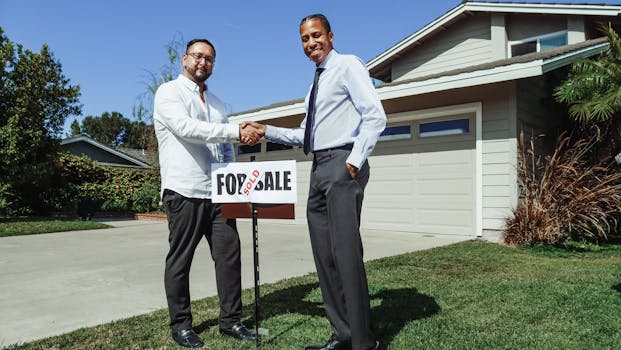 Photo: Kindel Media / Pexels
 Photo: Picas Joe / Pexels