
What is Earnest Money Deposit Real Estate? Your Essential Guide
earnest money deposit real estate

What is Earnest Money Deposit Real Estate? Your Essential Guide

Secure your home offer and understand the critical role of earnest money in your real estate transaction.

Learn More Now

Key Takeaways

  • ✓ Earnest money is a good faith deposit made by a buyer to show serious intent.
  • ✓ It is typically held in an escrow account, not by the seller directly.
  • ✓ The amount is negotiable but usually ranges from 1% to 3% of the purchase price.
  • ✓ It becomes part of your down payment or closing costs if the sale closes successfully.

How It Works

1
Offer Acceptance & Deposit Initiation

Once your offer is accepted, the purchase agreement will specify the earnest money amount and timeline. You'll typically have 1-3 business days to submit the deposit.

2
Escrow Account Holding

The earnest money is deposited into a neutral third-party escrow account. This ensures neither the buyer nor the seller has direct access to the funds until specific conditions are met.

3
Contingency Period

During this phase, buyers conduct inspections, secure financing, and review disclosures. If the deal falls through due to a valid contingency, the earnest money is typically returned to the buyer.

4
Closing or Forfeiture

If the sale closes, the earnest money is applied towards your down payment or closing costs. If the buyer backs out without a valid contingency, they may forfeit the deposit to the seller.

The Fundamental Role of Earnest Money in Real Estate Transactions
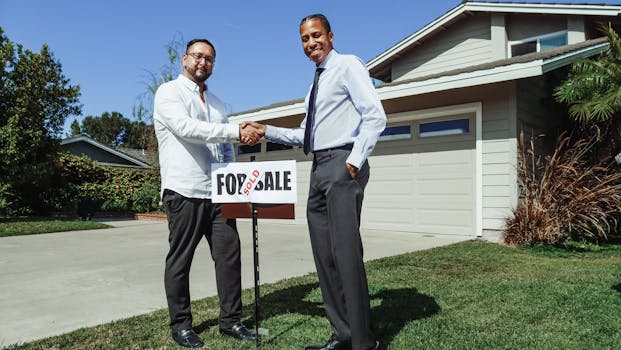
Two men shake hands in front of a new home with a sold sign, symbolizing a successful real estate deal. Photo: Kindel Media / Pexels
When embarking on the exciting yet complex journey of purchasing a home, you'll encounter numerous terms and processes that might seem daunting at first. Among the most crucial of these is the 'earnest money deposit' – a concept that underpins the sincerity and commitment within a real estate transaction. So, what exactly is earnest money deposit real estate? At its core, it's a sum of money a buyer puts down to demonstrate their serious intent to purchase a property. Think of it as a good-faith gesture, a tangible sign to the seller that you're not just window shopping, but genuinely committed to seeing the deal through to completion. This deposit is not to be confused with a down payment, though it eventually contributes to it. It’s an upfront payment that essentially reserves the property for you, taking it off the market while you proceed with the necessary due diligence, such as inspections and securing financing. Without an earnest money deposit, a seller has very little assurance that a buyer will follow through, making the entire process less secure for all parties involved. The amount of earnest money can vary significantly based on local market conditions, the purchase price of the home, and general custom. While there's no fixed rule, it commonly ranges from 1% to 3% of the home’s purchase price. In highly competitive markets, buyers might offer a higher percentage to make their offer more attractive and stand out from the competition. Conversely, in a slower market, a lower percentage might be acceptable. It's a negotiation point, just like the purchase price itself, and your real estate agent will be invaluable in advising you on an appropriate amount for your specific situation. The deposit is typically submitted after the seller accepts your offer, usually within one to three business days. This quick turnaround is crucial as it solidifies the agreement and moves the transaction forward. Crucially, this money is not given directly to the seller. Instead, it's held in a neutral, third-party escrow account. An escrow agent, often an attorney, title company, or the brokerage firm, manages this account. This arrangement protects both the buyer and the seller. For the buyer, it ensures the money is safe and won't be prematurely released to the seller if the deal falls through due to valid reasons. For the seller, it guarantees that a committed fund is in place, reducing the risk of a frivolous offer. The escrow agent holds these funds until certain conditions outlined in the purchase agreement are met, or until the transaction either closes or is legitimately terminated. Understanding this protective mechanism is key to grasping the importance of earnest money. It’s a legal safeguard, ensuring that all parties adhere to their commitments as per the signed contract. This initial financial commitment sets the tone for the entire transaction, fostering trust and a shared understanding that both buyer and seller are serious about the sale. It’s a small, yet mighty, piece of the complex real estate puzzle, designed to facilitate a smooth and secure property transfer.

Navigating the Escrow Process and Contingencies with Earnest Money

Close-up of businessmen signing documents at a wooden table in an office. Photo: Alena Darmel / Pexels
Once the earnest money deposit is made, it enters the critical phase of escrow, where its fate is largely determined by the fulfillment of contract contingencies. The escrow period is a defined timeframe during which both buyer and seller must meet specific conditions outlined in the purchase agreement. These conditions, known as contingencies, are protective clauses designed to safeguard the buyer's interests. Common contingencies include the home inspection contingency, the financing contingency, and the appraisal contingency. The home inspection contingency allows the buyer to have the property professionally inspected for any significant defects or issues. If the inspection uncovers major problems that the seller is unwilling to address, or if an agreement cannot be reached on repairs or price adjustments, the buyer can typically withdraw their offer and receive their earnest money back. This clause is vital for ensuring the buyer is aware of the home's condition before committing fully. Similarly, the financing contingency protects the buyer if they are unable to secure a mortgage. If, despite good faith efforts, the buyer's loan application is denied, this contingency allows them to cancel the contract and retrieve their earnest money. Without this protection, a buyer could lose their deposit if their financing falls through, even through no fault of their own. Another crucial contingency is the appraisal contingency. Lenders require an appraisal to ensure the property's value is at least equal to the loan amount. If the appraisal comes in lower than the agreed-upon purchase price, the buyer can often renegotiate the price with the seller, make up the difference in cash, or, if no agreement is reached, walk away from the deal with their earnest money intact. These contingencies are not just boilerplate; they are powerful tools that provide buyers with critical escape clauses. It is imperative that buyers understand each contingency in their contract and adhere to the specified timelines. Failing to meet deadlines or waiving contingencies without full understanding can put the earnest money at significant risk. Sellers also benefit from the earnest money and contingencies in a different way. While contingencies protect the buyer, the earnest money itself serves as a deterrent against frivolous offers or buyers who might simply change their mind without a valid contractual reason. If a buyer decides to back out of the deal for a reason not covered by a contingency, or if they fail to meet their obligations within the stipulated timelines (e.g., missing an inspection deadline without proper notice), they risk forfeiting their earnest money to the seller. This potential forfeiture compensates the seller for the time their property was off the market and for any costs incurred. The escrow agent's role here is pivotal; they act as a neutral arbiter, releasing the funds according to the terms of the signed purchase agreement and any subsequent amendments. This intricate dance between deposit, escrow, and contingencies is a cornerstone of understanding what is earnest money deposit real estate and how it facilitates a secure and fair transaction for both parties.

When Do You Get Your Earnest Money Back? Understanding Forfeiture and Refunds

A close-up shot of a hand holding a fan of euro banknotes, symbolizing wealth and currency exchange. Photo: Pixabay / Pexels
The question of when and how a buyer can retrieve their earnest money is paramount, as the potential loss of these funds can be a significant concern. The core principle revolves around the contractual agreements made within the purchase offer and the proper execution of contingencies. As discussed, if a buyer terminates the contract due to a valid contingency, and they follow the correct procedures and timelines outlined in the purchase agreement, they should receive their earnest money back in full. For instance, if a home inspection reveals significant structural damage and the buyer, within the inspection period, provides proper notice of termination because the seller refuses to repair, the earnest money is typically returned. Similarly, if the buyer's loan application is denied and they notify the seller within the financing contingency period, the funds are usually refunded. The same applies to a low appraisal if the appraisal contingency is properly invoked. However, the earnest money is not always refundable. The primary scenario in which a buyer forfeits their earnest money is if they back out of the deal for a reason not covered by a contingency, or if they fail to adhere to the terms and timelines of the contract. For example, if a buyer simply gets 'cold feet' after all contingencies have been removed, or if they miss a deadline to submit loan documents, the seller may have a legitimate claim to the earnest money. This forfeiture serves as liquidated damages for the seller, compensating them for the time and opportunity cost of having their property off the market. It's a penalty for breaking the contract without a valid, pre-agreed-upon reason. The exact circumstances for forfeiture are meticulously detailed in the purchase agreement, making it essential for buyers to read and understand every clause before signing. Disputes over earnest money can arise, and when they do, the escrow agent typically holds the funds until both parties reach an agreement or a court order dictates the release. In such cases, legal counsel may be necessary to resolve the dispute. To avoid forfeiture, clear communication, timely action, and a thorough understanding of the purchase agreement are critical. Your real estate agent plays a vital role here, guiding you through the contractual obligations and ensuring you meet all deadlines. They can help you understand the nuances of each contingency and advise you on when and how to properly invoke them if necessary. At closing, if the transaction proceeds successfully, the earnest money is applied directly to the buyer's down payment or closing costs. It's not an additional expense but rather an early payment towards the total cost of the home. This transition from a 'good faith deposit' to an actual payment highlights the full lifecycle of what is earnest money deposit real estate, underscoring its dual role as both a commitment and a contribution to the final purchase. Understanding these scenarios ensures you protect your investment and navigate the home buying process confidently.

Essential Tips and Common Mistakes with Earnest Money

A neatly organized to-do list on a clipboard next to a laptop and pen, conveying productivity. Photo: RDNE Stock project / Pexels
Navigating the earnest money process requires diligence and an understanding of potential pitfalls. Here are some essential tips and common mistakes to avoid: **Tips for Buyers:** * **Understand Your Contract Thoroughly:** Before signing, ensure you comprehend every clause related to earnest money, contingencies, and deadlines. Don't hesitate to ask your agent or attorney for clarification. * **Act Promptly:** Once your offer is accepted, submit your earnest money deposit within the specified timeframe (usually 1-3 business days). Delays can jeopardize your offer or even lead to forfeiture. * **Use a Reputable Escrow Agent:** Always ensure your earnest money is held by a neutral, third-party escrow agent, such as a title company, attorney, or established real estate brokerage. Never give it directly to the seller. * **Keep Detailed Records:** Maintain copies of the earnest money check or wire transfer receipt, the purchase agreement, and any communication related to contingencies or contract amendments. * **Adhere to Contingency Timelines:** Be vigilant about deadlines for inspections, appraisals, and financing. Missing these can waive your rights and risk your deposit. * **Communicate Clearly:** If you anticipate an issue or need to invoke a contingency, communicate promptly and in writing with your agent, who will then inform the seller's agent. **Common Mistakes to Avoid:** * **Waiving Contingencies Recklessly:** In competitive markets, buyers sometimes waive contingencies to make their offer more appealing. This is a high-risk strategy that can lead to significant financial loss if unforeseen issues arise. * **Missing Deadlines:** Failing to complete inspections, secure financing, or notify the seller of issues within the contractual timelines can result in forfeiture of your earnest money. * **Giving Money Directly to the Seller:** This is a major red flag. Always use an escrow account to protect your funds. * **Not Understanding Forfeiture Conditions:** Assuming you'll always get your money back can be a costly mistake. Know exactly under what circumstances you might lose it. * **Offering Too Little or Too Much:** While negotiable, an unreasonably low earnest money offer might signal a lack of seriousness, while an excessively high one increases your risk if the deal falls through. * **Ignoring Professional Advice:** Your real estate agent and legal counsel are there to protect your interests. Heed their advice regarding the earnest money and contractual obligations. By following these tips and avoiding common errors, you can confidently navigate the earnest money process and protect your investment while securing your dream home.

Comparison

FeatureEarnest Money DepositDown PaymentClosing Costs
PurposeShows good faith, secures offerInitial equity, reduces loan amountFees for services rendered at closing
TimingAfter offer acceptance (1-3 days)At closing, minus EMDAt closing
Held ByEscrow agent (neutral third party)Lender/Seller (becomes part of property ownership)Various service providers
Refundable?✓ (under valid contingencies)✗ (part of purchase)✗ (paid for services)
Amount1-3% of purchase price (negotiable)3.5% to 20%+ of purchase price2-5% of loan amount

What Readers Say

"Understanding what is earnest money deposit real estate was crucial for my first home purchase. This guide clearly explained how my deposit would be held safely in escrow, giving me peace of mind."

Sarah J. · Austin, TX

"I had a situation where I needed to back out due to a bad inspection. Thanks to the advice here on what is earnest money deposit real estate, I knew my rights and got my deposit back without a hitch."

Mark T. · Miami, FL

"The details on contingencies and how they protect your earnest money were incredibly helpful. It saved me from making a risky offer and ensured my investment was secure."

Emily R. · Seattle, WA

"While the article on what is earnest money deposit real estate was very comprehensive, I would have liked a bit more on specific state regulations, as I know they can vary. Still, a fantastic resource overall."

David L. · Denver, CO

"As a seller, I appreciate buyers who understand what is earnest money deposit real estate. It makes the transaction feel more secure and serious, reducing the chances of a deal falling through needlessly."

Jessica M. · Chicago, IL

Frequently Asked Questions

What is the typical amount for an earnest money deposit in real estate?

The typical earnest money deposit ranges from 1% to 3% of the home's purchase price, though this can vary based on local market conditions, property value, and negotiation. In highly competitive markets, a buyer might offer more to make their offer stand out.

Is earnest money refundable if my financing falls through?

Yes, generally, if your purchase agreement includes a financing contingency and you notify the seller within the specified timeframe that you could not secure a loan, your earnest money should be refunded. This contingency protects buyers from losing their deposit if their mortgage application is denied.

How do I pay the earnest money deposit?

Earnest money is typically paid via a personal check, cashier's check, or wire transfer directly to the escrow agent (e.g., a title company, attorney, or real estate brokerage firm). It should never be paid directly to the seller.

Is earnest money an extra cost or part of the home purchase?

Earnest money is not an extra cost. If the real estate transaction successfully closes, the earnest money deposit is applied towards your down payment or closing costs, effectively reducing the amount you need to bring to closing.

How does earnest money differ from a down payment?

Earnest money is an upfront 'good faith' deposit made early in the process to show commitment, held in escrow, and potentially refundable. A down payment is a larger sum paid at closing as part of the purchase price, becoming part of your home equity, and is generally not refundable once the sale closes.

Who should pay earnest money when buying a home?

The buyer is responsible for paying the earnest money deposit. It demonstrates their commitment to the seller that they are serious about purchasing the property and intend to fulfill the terms of the purchase agreement.

What are the risks if I don't use an escrow account for earnest money?

If you don't use an escrow account and give earnest money directly to the seller, you risk losing your funds if the deal falls through, even if you had valid reasons to terminate. A neutral third-party escrow agent protects both buyer and seller by holding the funds until contractual conditions are met.

Will earnest money deposits become obsolete with digital real estate transactions?

While the method of payment may evolve (e.g., more secure digital transfers), the fundamental concept of an earnest money deposit is unlikely to become obsolete. It serves a critical legal and psychological function in real estate: demonstrating buyer commitment and providing a form of recourse for sellers, which remains essential regardless of how transactions are digitized.

Understanding what is earnest money deposit real estate is a cornerstone of a successful and secure home buying journey. By grasping its purpose, process, and protections, you empower yourself to navigate real estate transactions with confidence. Ensure you work with experienced professionals who can guide you every step of the way.

Topics: earnest money deposit real estatereal estate deposithome buying depositescrow depositcontingencies real estate
Leo List

DK Escorts LU Escorts AT Escorts SE Escorts FI Escorts CH Escorts DE Escorts HR Escorts IE Escorts GR Escorts CZ Escorts NO Escorts BE Escorts FR Escorts SI Escorts IL Escorts NL Escorts PL Escorts HU Escorts ES Escorts IT Escorts PT Escorts SK Escorts RO Escorts ZA Escorts UY Escorts US Escorts UK Escorts NZ Escorts AU Escorts
Brampton weed
Adultwork EstrelaBet Vai de Bet R7 Bet Betão Galera Bet Rainbet Bet9ja Shop SportyBet BetKing Sisal Loto Foot Hollywoodbets YesPlay Odibets RushBet Jugabet BetWarrior BetCity MSport betPawa Fortebet