✓ Earnest money demonstrates a buyer's serious intent to purchase a home.
✓ It's typically 1-3% of the home's purchase price, but can vary.
✓ The funds are held in an escrow account, not by the seller.
✓ Contingencies protect your earnest money if the deal falls through for valid reasons.
How It Works
1
Offer Submission & Deposit
When you make an offer on a home, you'll include an earnest money deposit. This shows the seller you're serious about the purchase.
2
Escrow Account Holding
The earnest money is deposited into an escrow account, usually managed by a title company or attorney. It remains there until closing or the contract is terminated.
3
Contingency Period
During this time, you conduct inspections and secure financing. If a valid contingency isn't met, you can typically get your earnest money back.
4
Closing or Forfeiture
At closing, the earnest money is applied to your down payment or closing costs. If you back out without a valid contingency, you may forfeit the deposit.
Understanding the Role of Earnest Money in Real Estate Transactions
Photo: Ron Lach / Pexels
The journey to homeownership is filled with exciting milestones and important financial considerations. Among these, understanding what is earnest money deposit stands out as a crucial initial step. Often referred to as a 'good faith' deposit, earnest money is a sum of money a buyer puts down to demonstrate their serious intent to purchase a property. It's not a payment to the seller directly, nor is it an additional fee. Instead, it's a testament to your commitment, assuring the seller that you're not just window shopping but are genuinely prepared to move forward with the transaction.
Imagine you've found your dream home. You've toured it, fallen in love, and are ready to make an offer. To make that offer more attractive and credible to the seller, you include an earnest money deposit. This deposit signals to the seller that you're not likely to walk away from the deal on a whim. In a competitive market, a substantial earnest money deposit can even give your offer an edge over others, as it suggests a higher level of buyer commitment and financial stability. It acts as a form of security for the seller, compensating them for the time, effort, and potential lost opportunities if the buyer defaults without a legitimate reason.
It's vital to differentiate earnest money from other types of deposits you might encounter in real estate. For instance, it's not the same as a down payment, though it eventually contributes to it. A down payment is a larger sum, typically 3.5% to 20% or more of the home's purchase price, paid at closing. Earnest money, on the other hand, is paid much earlier in the process, usually within a few days of the offer being accepted. Similarly, it's distinct from an appraisal fee or inspection fee, which are payments for specific services. The earnest money is held in a neutral third-party account, known as an escrow account, protecting both the buyer and the seller.
The amount of earnest money can vary widely depending on local market conditions, the purchase price of the home, and customary practices in a given region. While there's no fixed rule, it commonly ranges from 1% to 3% of the home's sale price. In highly competitive markets, buyers might offer more to make their bid stand out. Conversely, in a buyer's market, a lower percentage might be acceptable. Your real estate agent will be an invaluable resource in determining an appropriate amount for your specific situation, balancing competitiveness with prudent financial planning. They can advise on local norms and help structure an offer that is both appealing to the seller and protective of your interests. This initial financial commitment sets the stage for the entire home-buying process, establishing trust and a foundation for the transaction to proceed.
How Earnest Money is Held and Protected: The Escrow Process
Photo: Pavel Danilyuk / Pexels
Once an offer is accepted and the earnest money deposit is agreed upon, the funds don't go directly to the seller. This is a critical distinction that safeguards both parties. Instead, the money is placed into an escrow account. An escrow account is a secure, neutral holding place managed by a third party, such as a title company, an escrow agent, or an attorney. This independent third party is responsible for holding the funds until all conditions of the purchase agreement are met or until a dispute arises that requires resolution.
The escrow agent's role is to ensure that the earnest money is disbursed correctly according to the terms of the signed purchase agreement. They do not have a vested interest in the transaction beyond ensuring fairness and adherence to the contract. This neutrality is paramount because it prevents either the buyer or the seller from prematurely accessing or misusing the funds. For the buyer, it means their money is protected and not directly in the seller's hands, reducing the risk of fraud or difficulty in recovering the funds if the deal falls apart legitimately. For the seller, it provides assurance that the buyer's financial commitment is real and readily available if the transaction proceeds as planned.
The process typically involves the buyer writing a check or initiating a wire transfer for the earnest money, payable to the escrow agent or title company. Upon receipt, the escrow agent will deposit these funds into a dedicated escrow account. They will then provide both the buyer and seller with a receipt, confirming that the funds have been secured. Throughout the transaction, the escrow agent monitors the progression of the deal, including the satisfaction of contingencies, to determine when and how the earnest money should be released.
At the closing of the sale, assuming all conditions are met and the transaction proceeds, the earnest money deposit is typically credited towards the buyer's down payment or closing costs. This means it's not an extra expense but rather an early payment that reduces the total amount of cash the buyer needs to bring to the closing table. If, however, the deal does not close, the fate of the earnest money depends entirely on the terms of the purchase agreement and whether any contingencies were legitimately invoked. The escrow agent will only release the funds based on mutual agreement between the buyer and seller, or a court order, ensuring a transparent and legally sound process. Understanding this escrow mechanism provides peace of mind, knowing your significant financial commitment is managed professionally.
Protecting Your Investment: Contingencies and When You Can Get Your Earnest Money Back
Photo: RDNE Stock project / Pexels
One of the most critical aspects of understanding what is earnest money deposit involves recognizing the role of contingencies. Contingencies are clauses written into the purchase agreement that specify certain conditions that must be met for the sale to proceed. They are designed to protect the buyer, allowing them to back out of the deal and, crucially, recover their earnest money if these conditions are not satisfied. Without well-defined contingencies, a buyer risks forfeiting their deposit if unforeseen issues arise.
Common contingencies include the home inspection contingency, financing contingency, and appraisal contingency. The **home inspection contingency** allows the buyer to have the property professionally inspected. If the inspection reveals significant issues (e.g., structural damage, major plumbing problems) that the seller is unwilling to repair or compensate for, the buyer can typically terminate the contract and receive their earnest money back. This is a vital safeguard against purchasing a property with hidden defects that could lead to costly repairs down the line. It empowers buyers to make informed decisions about the property's condition before fully committing.
The **financing contingency** protects buyers who need a mortgage to purchase the home. If the buyer is unable to secure a loan by a specified date, often due to unforeseen changes in their financial situation or issues with the property itself that lenders deem problematic, this contingency allows them to withdraw their offer and regain their earnest money. This prevents buyers from being locked into a purchase they cannot afford. Similarly, the **appraisal contingency** is crucial. Lenders require an appraisal to ensure the home's value justifies the loan amount. If the appraisal comes in lower than the agreed-upon purchase price, this contingency allows the buyer to renegotiate the price, make up the difference in cash, or walk away from the deal with their earnest money intact. This protects buyers from overpaying for a property.
It's important to note that these contingencies have specific timelines. Buyers must complete inspections, secure financing, and receive appraisals within the agreed-upon periods. Missing these deadlines can jeopardize the ability to invoke a contingency and potentially lead to forfeiture of the earnest money. For example, if a buyer decides to back out simply because they changed their mind after all contingencies have been satisfied or expired, they would likely lose their earnest money. This is precisely why careful adherence to the contract's terms and timelines is paramount. Working closely with your real estate agent to understand and manage these deadlines is essential. They can help you navigate the process, ensuring that you meet all obligations while also exercising your rights to protect your financial commitment. A well-crafted purchase agreement with robust contingencies is your best defense in safeguarding your earnest money deposit.
Common Mistakes and Best Practices When Paying Earnest Money
Photo: Alena Darmel / Pexels
Navigating the earnest money deposit process can be straightforward, but certain pitfalls can lead to unnecessary complications or even the loss of your deposit. Being aware of common mistakes and adopting best practices will ensure a smoother transaction and protect your financial interests. One of the most frequent errors buyers make is not fully understanding the terms of their purchase agreement, particularly regarding contingencies and deadlines. Failing to read the contract carefully or relying solely on verbal agreements can leave you vulnerable. Always review the agreement with your real estate agent and, if necessary, an attorney, to ensure you comprehend every clause related to your earnest money.
Another critical mistake is failing to act promptly on contingencies. As discussed, contingencies like inspections and financing have strict timelines. If you miss a deadline to conduct an inspection or apply for a loan, you might forfeit your right to invoke that contingency, even if a valid issue arises. This could mean losing your earnest money if you then decide to back out of the deal. Proactive communication with your agent, lender, and the escrow company is key to staying on schedule. Do not procrastinate on scheduling inspections or submitting loan documents.
**Common Mistakes to Avoid:**
* **Paying Earnest Money Directly to the Seller:** Never hand over earnest money directly to the seller. Always use a neutral third-party escrow agent, title company, or attorney. Direct payments offer no protection if the deal sours.
* **Not Documenting Everything:** Ensure all communications, especially those related to contingencies, extensions, or disputes, are in writing. Verbal agreements are difficult to prove and enforce.
* **Ignoring Contingency Deadlines:** Mark all contingency deadlines on your calendar and work closely with your agent to meet them. Missing a deadline can invalidate your right to a refund.
* **Making a Deposit That's Too High Without Protection:** While a larger deposit can make an offer more attractive, ensure your contract has robust contingencies to protect that larger sum.
* **Not Understanding Forfeiture Conditions:** Know exactly under what circumstances you would lose your earnest money. This clarity helps you make informed decisions throughout the process.
**Best Practices for Earnest Money:**
* **Work with a Reputable Escrow Agent:** Choose a well-established and trusted title company or escrow agent. Your real estate agent can recommend one.
* **Get Everything in Writing:** From the initial offer to any amendments or extensions, ensure all agreements are documented and signed by all parties.
* **Understand Your Contingencies:** Clearly know what each contingency means, its timeline, and what actions you need to take to satisfy or invoke it.
* **Communicate Effectively:** Maintain open lines of communication with your real estate agent, lender, and escrow officer. Report any issues or concerns immediately.
* **Keep Records:** Retain copies of your purchase agreement, earnest money deposit receipt, and all related correspondence. These documents are crucial if a dispute arises.
By following these best practices, you can confidently navigate the earnest money process, minimize risks, and increase the likelihood of a successful and smooth home purchase.
Comparison
Feature
Earnest Money Deposit
Down Payment
Closing Costs
Purpose
Shows good faith, secures offer
Initial equity in the home
Fees for services to close the loan
When Paid
After offer acceptance (early)
At closing
At closing
Amount (Typical)
1-3% of purchase price
3.5-20%+ of purchase price
2-5% of loan amount
Held By
Escrow agent/Title company
Lender/Seller (applied to purchase)
Various service providers
Refundable (Conditional)
✓ (with valid contingencies)
✗ (part of purchase)
✗ (paid for services)
Applied Towards
Down payment/Closing costs
Home purchase price
Loan and property transfer fees
What Readers Say
★★★★★
"Understanding what is earnest money deposit felt overwhelming at first. This guide broke it down so clearly, explaining how my agent helped protect my deposit with contingencies. It made the whole home buying process much less stressful."
Sarah J. · Austin, TX
★★★★★
"After reading this, I felt much more confident putting down earnest money on my new condo. The explanation of the escrow process and why it protects both parties was incredibly helpful. Highly recommend for any first-time buyer."
Michael D. · Seattle, WA
★★★★★
"The information on contingencies saved me from potential trouble. My appraisal came in low, and because I understood the appraisal contingency from this article, I knew my earnest money was safe while we renegotiated. We closed on the home at a fair price!"
Emily R. · Denver, CO
★★★★★
"This article provided a solid foundation for what is earnest money deposit. While I still had specific questions for my agent regarding local customs, the comprehensive overview here gave me a great starting point for discussions."
David L. · Miami, FL
★★★★★
"As a seller, I appreciate when buyers understand the earnest money deposit. This article would be perfect to share with potential buyers to ensure they grasp its importance and how it signals a serious offer."
Jessica M. · Chicago, IL
Frequently Asked Questions
What is the typical amount for an earnest money deposit?
The typical earnest money deposit ranges from 1% to 3% of the home's purchase price, though it can vary based on local market conditions, the property's value, and how competitive the market is. In some highly competitive areas, buyers might offer more to make their bid stand out, while in a buyer's market, a lower percentage might be acceptable.
Is earnest money refundable if I change my mind?
Earnest money is generally refundable only if you back out of the deal for a reason covered by a contingency clause in your purchase agreement (e.g., failed inspection, inability to secure financing). If you simply change your mind without a valid contractual reason, you will likely forfeit your earnest money deposit.
How do I pay earnest money, and who holds it?
You typically pay earnest money by check or wire transfer, made payable to a neutral third party, such as a title company, escrow agent, or real estate attorney. This third party holds the funds in a secure escrow account until closing or until the contract is terminated according to its terms.
Does earnest money count towards my down payment or closing costs?
Yes, absolutely. At the successful closing of the home sale, your earnest money deposit is credited towards your down payment or closing costs, effectively reducing the amount of money you need to bring to the closing table. It's not an additional expense but an early payment.
What's the difference between earnest money and a down payment?
Earnest money is a smaller deposit made early in the process to show commitment, held in escrow. A down payment is a larger sum, representing your initial equity in the home, paid at closing. While earnest money eventually contributes to the down payment, they serve different immediate purposes.
Who should pay earnest money?
The buyer pays the earnest money deposit. It is a demonstration of the buyer's serious intent to purchase the property and is a standard part of most real estate offers to purchase a home.
What are the risks if I don't include earnest money?
Not including earnest money makes your offer less attractive and credible to sellers, especially in competitive markets. Sellers may view your offer as less serious, increasing the likelihood of it being rejected in favor of offers that include a good faith deposit. It also fails to provide the seller with any security for their time and effort.
How has the earnest money process evolved with digital transactions?
With advancements in real estate technology, earnest money transactions are increasingly digital. While checks are still common, wire transfers are gaining popularity for speed and security. Digital escrow platforms are also emerging, streamlining the transfer and tracking of funds, though the core principles of third-party holding and contract adherence remain constant.
Understanding what is earnest money deposit is a foundational step in your home buying journey. By grasping its purpose, how it's protected, and your rights, you can confidently navigate the real estate market. Use this knowledge to make informed decisions and secure your dream home with peace of mind.

 Photo: Ron Lach / Pexels
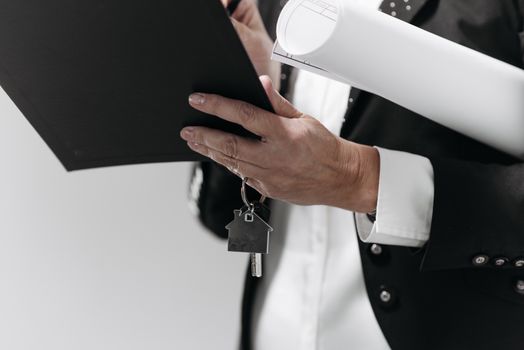 Photo: Pavel Danilyuk / Pexels
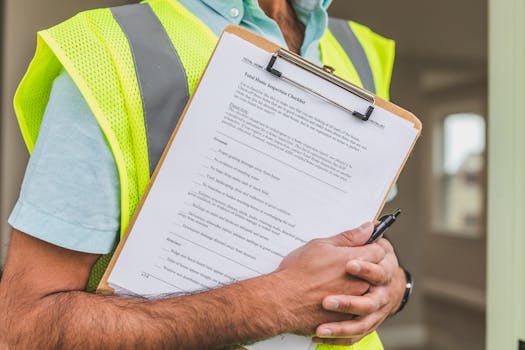 Photo: RDNE Stock project / Pexels
 Photo: Alena Darmel / Pexels