
What is a Real Estate Agent? Your Essential Home Buying Guide

A realtor conducting a house tour with potential buyers on the stairs of a modern home.Photo: Kampus Production / Pexels

What is a Real Estate Agent? Your Essential Home Buying Guide

Unlock the secrets to a seamless property transaction with an expert by your side, whether buying or selling.

Find Your Agent Now

Key Takeaways

  • ✓ A real estate agent acts as an intermediary between buyers and sellers of real property.
  • ✓ They must be licensed by their state and typically work under a licensed real estate broker.
  • ✓ Agents provide expertise in market conditions, pricing, negotiations, and legal paperwork.
  • ✓ They represent either the buyer (buyer's agent) or the seller (seller's agent), but not both in the same transaction in most states.

How It Works

1
Client Consultation and Goal Setting

An agent first meets with a client to understand their specific real estate needs, whether they are looking to buy a dream home or sell an existing property. They discuss timelines, budget, preferences, and market expectations to set clear goals.

2
Market Analysis and Property Search/Listing

For buyers, agents use their market knowledge and access to listings (like the MLS) to find suitable properties. For sellers, they conduct a comparative market analysis (CMA) to determine an optimal listing price and prepare the property for showing.

3
Negotiation and Offer Management

Once a property is identified or an offer is received, the agent skillfully negotiates on behalf of their client to secure the best possible terms and price. They draft or review offers and counter-offers, ensuring all legal requirements are met.

4
Closing Process and Post-Transaction Support

Agents guide clients through inspections, appraisals, financing, and all necessary paperwork leading up to closing day. They often provide valuable resources and support even after the sale is complete, helping with moving logistics or contractor recommendations.

Understanding the Role of a Licensed Real Estate Agent

Real estate agent explaining property details to a client indoors.Photo: Kampus Production / Pexels
At its core, a real estate agent is a licensed professional who facilitates real estate transactions, acting as a crucial bridge between individuals looking to buy or sell property. They are not merely salespeople; rather, they are advisors, negotiators, and navigators of complex legal and financial landscapes. To become a real estate agent, an individual must complete specific educational requirements, pass a state-administered licensing exam, and typically work under the supervision of a licensed real estate broker. This licensing ensures they possess a foundational understanding of real estate law, ethics, and practices relevant to their state. Their primary responsibility is to represent their client's best interests, whether that client is a buyer searching for their perfect home or a seller aiming to achieve the highest possible price for their property. This fiduciary duty means they are legally bound to act in their client's favor, offering loyalty, confidentiality, obedience, and full disclosure. Their expertise extends beyond simply opening doors; they provide invaluable insights into local market conditions, property values, and potential pitfalls, saving clients time, money, and stress. Without an agent, navigating the intricacies of contracts, negotiations, and legal disclosures can be daunting and fraught with risk for the average person. They are an indispensable part of the American real estate landscape, ensuring transactions are handled professionally and ethically. For more on the different types of professionals, explore the difference between a real estate agent and a broker.

Why You Need a Real Estate Agent: Benefits for Buyers and Sellers

Couple joyfully embracing with real estate agent outside in Portugal.Photo: Kampus Production / Pexels
Engaging a real estate agent offers a multitude of benefits for both buyers and sellers, transforming a potentially stressful process into a streamlined experience. For buyers, an agent provides access to a comprehensive database of listings, including properties not yet publicly advertised. They help define criteria, schedule showings, and offer objective insights into each property's pros and cons, guiding buyers toward homes that truly meet their needs and budget. More importantly, a buyer's agent is a fierce advocate during negotiations, working to secure the best purchase price and favorable terms. They also assist with preparing offers, understanding contingencies, and recommending trusted professionals for inspections and financing. For sellers, a real estate agent is instrumental in maximizing property value and minimizing time on the market. They conduct a thorough Comparative Market Analysis (CMA) to accurately price the home, advise on staging and repairs to enhance appeal, and create compelling marketing strategies that reach a wide audience. This often includes professional photography, virtual tours, and listing syndication across various platforms. When offers come in, the seller's agent meticulously evaluates them, negotiates skillfully on the seller's behalf, and handles all the complex paperwork from contract to close. Their expertise in navigating appraisals, inspections, and potential hurdles during escrow can be the difference between a successful sale and a stalled transaction. In essence, agents save clients time, reduce stress, and often lead to better financial outcomes than if they were to go it alone.

The Intricate Process: What Does a Real Estate Agent Actually Do Day-to-Day?

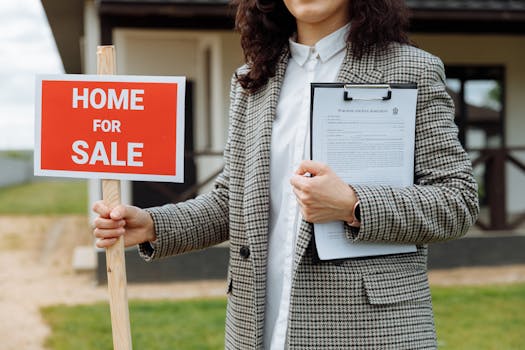
Real estate agent making a phone call while holding documents near home for sale sign.Photo: Thirdman / Pexels
The daily life of a real estate agent is far from a simple 9-to-5 job; it's a dynamic and demanding profession requiring a diverse skill set. A significant portion of their time is dedicated to client interaction, which involves everything from initial consultations to understanding specific needs, showing properties, and providing regular updates. They are constantly monitoring the market, analyzing trends, and researching new listings to ensure their clients have access to the most current information. Marketing properties is another core activity for seller's agents; this includes coordinating professional photoshoots, writing captivating descriptions, creating virtual tours, and deploying targeted advertising campaigns across digital and traditional channels. On the negotiation front, agents spend hours drafting, reviewing, and presenting offers and counter-offers, ensuring all contractual obligations are met and their client's interests are protected. This often requires deft communication and problem-solving skills to bridge gaps between parties. Furthermore, agents act as project managers, coordinating with various third parties such as lenders, inspectors, appraisers, attorneys, and title companies. They ensure that all deadlines are met and that the transaction progresses smoothly from contract signing to closing. Continuous education is also a part of their routine, as agents must stay updated on changing real estate laws, market conditions, and technology to maintain their licenses and provide top-tier service. This relentless dedication ensures a comprehensive and smooth experience for their clients. Learn more about market dynamics in our guide to understanding real estate market trends.

Choosing the Right Real Estate Agent: Tips and Common Mistakes to Avoid

Close-up of a handshake between two adults, symbolizing agreement or partnership.Photo: Felicity Tai / Pexels
Selecting the right real estate agent is paramount to a successful property transaction. It's not just about finding someone with a license; it's about finding a professional who is the right fit for your specific needs and personality. Here are some essential tips for making an informed choice and common mistakes to avoid: **Tips for Choosing:** * **Interview Multiple Agents:** Don't settle for the first agent you meet. Interview at least three to compare their experience, communication style, and proposed strategies. * **Check for Local Expertise:** Ensure the agent specializes in your desired neighborhood or property type. Local knowledge is invaluable for accurate pricing and market insights. * **Verify Credentials and Experience:** Ask about their years in the business, their sales volume, and if they hold any specific designations (e.g., ABR for buyers, CRS for residential specialists). * **Review References and Online Reviews:** Speak to past clients and check platforms like Zillow, Realtor.com, or Google for testimonials and ratings. * **Assess Communication Style:** Choose an agent whose communication frequency and method (phone, email, text) align with your preferences. Responsiveness is key. * **Understand Their Fee Structure:** While commissions are standard, discuss exactly how they are paid and what services are included. **Common Mistakes to Avoid:** * **Hiring a Friend/Family Member Without Vetting:** Personal connections are great, but ensure they are truly qualified and professional, not just a favor. * **Ignoring Red Flags in Communication:** If an agent is slow to respond during the interview process, it's a sign of what's to come. * **Not Having a Written Agreement:** Always sign a buyer's agency agreement or a listing agreement that clearly outlines the terms of your relationship. * **Focusing Only on Commission Rates:** While important, a slightly lower commission might mean less service or a less effective agent, costing you more in the long run. * **Not Asking Tough Questions:** Don't hesitate to ask about their weaknesses, how they handle difficult situations, or what makes them different from competitors. By following these guidelines, you can significantly improve your chances of partnering with an agent who will genuinely advocate for your best interests.

Comparison

FeatureReal Estate AgentFor-Sale-By-Owner (FSBO)Discount Broker
Market ExpertiseExtensive local knowledge, pricing strategiesRelies on owner researchVaries, often limited personal insight
Negotiation SkillsProfessional negotiator, client advocateOwner handles own negotiationsMay be less robust, especially with limited service
Marketing ReachBroad MLS, online portals, networkLimited to owner's efforts (online ads, yard sign)Basic MLS listing, sometimes no physical showings
Legal PaperworkHandles contracts, disclosures, complianceOwner responsible for all legal formsOften provides forms, but less guidance
Time CommitmentAgent manages process, saves client timeSignificant time commitment for ownerClient handles much of the process
Cost (Commission)Typically 5-6% (split between agents)0% (seller pays buyer's agent if applicable)1-3% (often limited services)
Stress ReductionNeutral/Varies
Professional NetworkVaries

What Our Readers Say

5 ★★★★★

"Our real estate agent was an absolute lifesaver. She helped us navigate multiple offers on our home, ensuring we understood every detail and ultimately secured a sale price well above our expectations. Her expertise was invaluable."

5 ★★★★★

"As first-time homebuyers, we had no idea what to expect. Our agent patiently guided us through every step, from securing pre-approval to closing. We felt truly supported and informed throughout the entire process."

5 ★★★★★

"We needed to sell our house quickly due to a job relocation. Our real estate agent developed a fantastic marketing strategy and had it under contract in less than two weeks, allowing us to move forward without stress."

4 ★★★★☆

"Our agent was very knowledgeable about the local market and responsive to our questions. While there were a few minor communication hiccups, she ultimately helped us find a great investment property within our budget."

5 ★★★★★

"Selling my grandmother's estate was emotionally challenging. Our real estate agent handled everything with incredible sensitivity and professionalism, making the process as smooth and respectful as possible during a difficult time."

Frequently Asked Questions

What is the primary difference between a real estate agent and a real estate broker?
A real estate agent is an individual who has completed state-required courses and passed a licensing exam, but they must work under a licensed real estate broker. A broker has completed additional education and passed a separate, more extensive exam, allowing them to work independently, hire agents, and operate their own brokerage firm.
Do I really need a real estate agent to buy or sell a home?
While it's technically possible to buy or sell a home without an agent (known as FSBO or For Sale By Owner), it's generally not recommended for most people. Agents provide crucial market expertise, negotiation skills, legal guidance, and access to resources that can save you significant time, stress, and potentially money, especially in complex transactions.
How does a real estate agent get paid?
Real estate agents are typically paid through commissions, which are a percentage of the property's sale price. The commission is usually paid by the seller at closing and then split between the seller's agent and the buyer's agent. Buyer's agents typically do not charge their clients directly.
What should I look for when choosing a real estate agent?
When choosing an agent, look for local market expertise, a strong track record of success, excellent communication skills, a clear understanding of your needs, and positive client references. Ensure they are licensed and that their personality and work style align with yours for a productive partnership.
Can a real estate agent represent both the buyer and the seller in the same transaction?
This is known as 'dual agency' and is either illegal or highly regulated in many states due to potential conflicts of interest. In states where it's permitted, both buyer and seller must give informed consent, and the agent's role shifts to that of a neutral facilitator rather than a fiduciary advocate for either party.
Who should use what is a real estate agent?
Anyone looking to buy or sell residential or commercial property, from first-time homebuyers to seasoned investors, will benefit from using a real estate agent. Their expertise simplifies complex transactions, ensures legal compliance, and helps clients achieve their financial and housing goals efficiently.
Are there any risks to working with a real estate agent?
The primary risk is selecting an inexperienced or unethical agent who might not adequately represent your interests. This can lead to missed opportunities, poor negotiation outcomes, or legal issues. Mitigate this by thoroughly vetting agents, checking references, and ensuring a clear contractual agreement.
How is technology impacting the role of a real estate agent?
Technology is enhancing the agent's role, providing better tools for market analysis, virtual tours, and digital paperwork. While it streamlines processes, the human element of negotiation, local market insight, and personal guidance remains irreplaceable, making agents even more effective and efficient.

Understanding what is a real estate agent is the first step toward a successful property journey. Whether you're buying your dream home or selling an investment, partnering with a knowledgeable professional ensures you navigate the market with confidence and achieve the best possible outcome. Don't go it alone; let an expert guide your next real estate move.

See also: Unlock Your Dream Home: First Time Home Buyer Programs US

Topics: what is a real estate agentreal estate professionalreal estate brokerhome buying processselling a home
Leo List