
Real Estate Market Trends 2024 Predictions: Your Guide
real estate market trends 2024 predictions

Real Estate Market Trends 2024 Predictions: Your Guide

Navigate the evolving US housing landscape with our comprehensive 2024 forecast, empowering your property decisions.

Explore the Forecast

Key Takeaways

  • ✓ Mortgage rates likely to stabilize, potentially dipping slightly in late 2024.
  • ✓ Housing inventory expected to remain tight, but improve marginally in some regions.
  • ✓ Affordability challenges will persist, driving demand for smaller homes and alternative financing.
  • ✓ Migration patterns continue to reshape regional markets, favoring Sun Belt and secondary cities.

How It Works

1
Understand Macroeconomic Influences

We analyze national economic indicators like inflation, interest rates, and employment data. These factors form the bedrock of our housing market forecasts.

2
Examine Supply & Demand Dynamics

Our predictions delve into current housing inventory levels, new construction trends, and shifts in buyer demographics. This helps assess market pressure points.

3
Regional Market Deep Dive

The US real estate market is not monolithic. We break down predictions by key regions, identifying localized trends and opportunities that national data might miss.

4
Strategic Implications & Advice

Finally, we translate these complex trends into actionable advice for buyers, sellers, and investors. Our goal is to equip you with the knowledge to make smart decisions.

Navigating Mortgage Rate Forecasts and Affordability in 2024
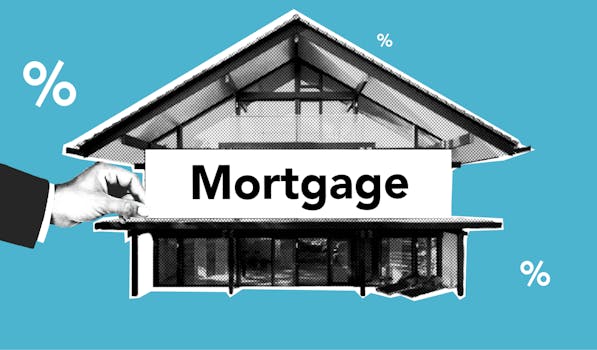
Cutout paper composition of realtor with inscription mortgage over house for purchases with payment of interest on amount of cost Photo: Monstera Production / Pexels
As we cast our gaze towards 2024, one of the most pivotal factors influencing the US real estate market remains the trajectory of mortgage rates. The dramatic increases witnessed in previous years have significantly recalibrated affordability, sidelining many prospective buyers and reshaping investment strategies. For 2024, our analysis suggests a period of relative stabilization, with potential for slight downward adjustments in the latter half of the year. This isn't to say we anticipate a return to the ultra-low rates of the pandemic era; rather, rates are expected to settle into a new equilibrium, likely ranging between 6.0% and 7.0% for a 30-year fixed mortgage. This stabilization will be largely contingent on the Federal Reserve's actions regarding inflation and the broader economic performance. If inflation continues its downward trend, the Fed may ease its hawkish stance, offering some relief to borrowers. However, even with stabilizing rates, affordability will remain a significant hurdle for many Americans. Home prices, while cooling in some overheated markets, are not expected to see widespread, dramatic declines. Instead, we anticipate a more modest appreciation in many areas, driven by persistent demand and ongoing inventory shortages. This combination of elevated home prices and still-higher-than-recent mortgage rates will continue to stretch household budgets. First-time homebuyers, in particular, will face challenges. Many will need to adjust their expectations regarding home size, location, or consider alternative financing options such as adjustable-rate mortgages (ARMs) or government-backed loans with lower down payment requirements. The emphasis will shift towards creative financing solutions and a more disciplined approach to budgeting. We also foresee an increased interest in smaller homes, townhouses, and condominiums as more accessible entry points into homeownership. Understanding these dynamics is crucial for anyone looking to engage with the real estate market in the coming year, whether buying, selling, or investing. For a deeper dive into financing strategies, explore our guide on optimizing your mortgage options. Furthermore, the concept of 'affordability' will continue to be highly localized. While some traditionally expensive coastal markets may see continued pressure, more affordable regions in the Sun Belt and Midwest might experience sustained demand, leading to continued, albeit slower, price growth. Wage growth, while present, has struggled to keep pace with housing cost increases for many. This disparity underscores the ongoing need for innovative housing policies and programs aimed at bolstering affordability. We anticipate state and local governments exploring initiatives like down payment assistance, zoning reforms to encourage denser housing, and incentives for developers to build more entry-level homes. The interplay between interest rates, home prices, and income levels will define the landscape of accessibility to homeownership in 2024, making careful planning and realistic expectations paramount for all market participants.

Supply & Demand Dynamics: Inventory Challenges and New Construction Trends
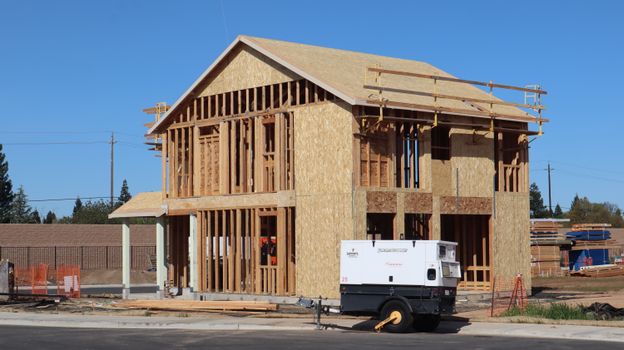
A new house under construction in Elk Grove, showing wooden framing and building materials. Photo: D Goug / Pexels
The fundamental imbalance between housing supply and demand has been a defining characteristic of the US real estate market for several years, and 2024 is unlikely to see a complete reversal of this trend. While inventory levels are expected to improve slightly from the historic lows of recent years, the market will likely remain under-supplied in many desirable regions. Several factors contribute to this persistent shortage. Many existing homeowners with ultra-low mortgage rates are hesitant to sell, fearing they will trade up to a significantly higher rate on a new property. This 'lock-in effect' reduces the flow of existing homes onto the market, constraining choices for potential buyers. New construction, while showing signs of acceleration, still faces headwinds. Supply chain issues, though less severe than during the pandemic, continue to impact material costs and availability. Labor shortages in the construction sector also remain a concern, slowing down the pace of building. Furthermore, rising land costs and increasingly complex permitting processes in many municipalities add to the expense and time required for new home development. Developers are often incentivized to build higher-margin, larger homes, rather than the entry-level or mid-priced housing that is most desperately needed to alleviate affordability pressures. As a result, while more new homes will come to market in 2024, they may not entirely address the core affordability crisis for a broad segment of buyers. We anticipate a continued focus on multi-family housing and smaller-footprint homes in new developments, particularly in urban and suburban areas grappling with high land costs. Build-to-rent communities, offering single-family rental options, are also expected to expand, providing an alternative for those priced out of homeownership or preferring the flexibility of renting. This segment of the market caters to a growing demographic shift and offers different investment opportunities. The interplay between existing home sales and new construction will be critical in shaping localized market conditions. Regions with robust new construction pipelines may experience more balanced markets, while areas heavily reliant on resale inventory could see continued price appreciation due to limited options. Understanding these intricate supply and demand dynamics is essential for both buyers seeking their next home and investors looking for opportunities in emerging housing segments.

Regional Hotspots and Migration Patterns Shaping US Housing

Stunning aerial view of Sacramento's city skyline illuminated at night, showcasing bustling urban life. Photo: Stephen Leonardi / Pexels
The US real estate market is far from monolithic; it's a tapestry of diverse regional economies, demographic shifts, and localized preferences. In 2024, migration patterns will continue to be a primary driver of demand and price appreciation in specific 'hotspot' regions, while other areas may experience more subdued activity. The Sun Belt states, particularly Florida, Texas, Arizona, and parts of the Carolinas, are expected to maintain their status as magnets for both retirees and younger professionals seeking warmer climates, lower taxes, and often a comparatively lower cost of living. This sustained influx of residents will underpin strong housing demand in these areas, even as national trends might suggest a cooling. Beyond the traditional Sun Belt, secondary cities and suburban areas adjacent to major metropolitan hubs are also poised for continued growth. The lasting impact of remote and hybrid work models has given many individuals the flexibility to live further from central business districts, driving demand in communities that offer a balance of affordability, amenities, and good schools. Cities like Boise, Raleigh, Nashville, and Austin, which saw significant growth during the pandemic, may see a more normalized but still positive trajectory. However, the rapid appreciation in some of these markets could also lead to increased inventory as more homes are built and some previous buyers look to capitalize on equity gains. This creates a nuanced landscape where even within a 'hot' state, specific cities or neighborhoods could perform differently. Conversely, some traditionally expensive coastal markets, particularly in California and the Northeast, may continue to experience a relative slowdown. While demand for prime properties in these areas will always exist, the high cost of living and housing, coupled with out-migration trends, could lead to more balanced markets or even slight price adjustments in certain segments. Investors and buyers in these regions will need to be particularly strategic, focusing on value and long-term appreciation rather than expecting rapid gains. Understanding these granular, regional variations is paramount for making informed decisions. For those considering relocation, our insights into emerging housing markets can provide valuable context. The ongoing interplay of economic opportunity, lifestyle preferences, and infrastructure development will continue to shape these regional narratives, making localized research and expert advice more critical than ever for anyone navigating the 2024 real estate landscape.

Key Strategies for Buyers, Sellers, and Investors in 2024

A detailed close-up of chess pieces on a board, highlighting the knight in warm tones. Photo: Yusuf Gündüz / Pexels
Navigating the 2024 real estate market requires a strategic approach tailored to your specific goals, whether you're looking to buy your first home, sell an existing property, or expand your investment portfolio. The era of frenzied bidding wars and guaranteed rapid appreciation is largely behind us, giving way to a more measured and competitive environment. **For Buyers:** * **Prioritize Affordability:** With interest rates stabilizing but still elevated, focus on what you can truly afford, not just what you're approved for. Factor in property taxes, insurance, and potential maintenance costs. * **Be Patient and Prepared:** Inventory might improve, offering more choices. Have your finances in order, get pre-approved for a mortgage, and be ready to act when the right opportunity arises. * **Consider All Options:** Don't limit yourself to single-family homes. Explore townhouses, condos, or even multi-family properties as potential entry points or investment opportunities. * **Leverage Local Expertise:** Work with a knowledgeable real estate agent who understands specific neighborhood trends and can help you identify value. **For Sellers:** * **Price Strategically:** Overpricing in a more balanced market can lead to your home sitting longer. Conduct thorough market research and price competitively from the outset. * **Focus on Presentation:** Staging, professional photography, and minor repairs can make a significant difference in attracting buyers and achieving your desired price. * **Highlight Unique Features:** Emphasize energy efficiency, smart home technology, or recent upgrades that appeal to modern buyers. * **Be Flexible:** Be prepared for negotiations on price, contingencies, and closing dates. Flexibility can be a key differentiator. **For Investors:** * **Target Growth Markets:** Research regions with strong job growth, positive migration trends, and evolving infrastructure. * **Diversify Your Portfolio:** Consider different property types (single-family, multi-family, commercial) or geographic locations to mitigate risk. * **Analyze Rental Yields:** With higher interest rates, ensuring strong rental income to cover expenses and generate profit is more critical than ever. * **Long-Term Vision:** Focus on properties with potential for long-term appreciation and cash flow, rather than speculative short-term gains. The market rewards patience and due diligence in 2024. By adopting these strategies, market participants can better position themselves to achieve their real estate objectives in the dynamic landscape of 2024. The emphasis shifts from simply participating to actively strategizing and making informed decisions.

Comparison

Market Aspect2024 Prediction2023 RealityPre-Pandemic (2019)
Mortgage Rates (30-yr fixed)6.0% - 7.0% (stabilizing)6.5% - 8.0% (volatile)3.5% - 4.5% (low)
Home Price Appreciation0% - 3% (modest)3% - 5% (slowing)3% - 5% (steady)
Housing InventorySlight increase, still tightHistoric lowsBalanced to healthy
Buyer DemandModerate, price-sensitiveHigh, rate-sensitiveStrong, affordability-driven
New ConstructionIncreasing, focus on multi-familyRecovering slowlySteady, single-family focus
AffordabilityChallenging, localizedExtremely challengingModerate to challenging

What Readers Say

"This article on real estate market trends 2024 predictions provided exactly the clarity I needed. The insights on regional hotspots helped me confirm my investment strategy for the coming year."

Sarah J. · Austin, TX

"As a first-time buyer, I was overwhelmed. The detailed breakdown of mortgage rate forecasts and affordability challenges in these real estate market trends 2024 predictions made me feel much more prepared."

David M. · Miami, FL

"The strategic tips for sellers in the 2024 market were invaluable. Following the advice, my home sold faster than I expected, even in a cooling market, thanks to these real estate market trends 2024 predictions."

Emily R. · Denver, CO

"While the overall outlook for real estate market trends 2024 predictions is insightful, I'd appreciate even more granular data for specific Midwest cities. Still, a very solid and helpful read."

Mark T. · Chicago, IL

"I'm a real estate investor, and the section on supply and demand dynamics, especially regarding build-to-rent, was incredibly useful. These real estate market trends 2024 predictions are a must-read."

Jessica L. · Phoenix, AZ

Frequently Asked Questions

Will home prices drop significantly in the US in 2024?

While some overheated markets might see slight corrections, widespread, dramatic price drops are not anticipated. Most predictions point to modest appreciation (0-3%) or stabilization, largely due to continued inventory shortages and demand.

Is 2024 a good time to buy a home with current interest rates?

2024 could be a good time for prepared buyers if rates stabilize or slightly dip. The market is less frenzied, offering more negotiation room. Focus on affordability and a long-term perspective rather than trying to time the absolute bottom.

How can I prepare to sell my house in the 2024 market?

To sell successfully in 2024, focus on strategic pricing, professional staging and photography, highlighting your home's unique features, and being flexible with negotiations. A well-maintained and presented home will stand out.

What's the outlook for mortgage rates in 2024?

Mortgage rates are expected to stabilize in 2024, likely hovering between 6.0% and 7.0% for a 30-year fixed loan. There's potential for slight declines in the latter half of the year if inflation continues to cool.

How do 2024 real estate predictions compare to the past few years?

Unlike the rapid appreciation and ultra-low rates of 2020-2022, 2024 predictions point to a more balanced, albeit still supply-constrained, market. It will be less volatile than 2023, with more measured growth and stabilizing rates.

Who benefits most from the 2024 real estate market trends?

Savvy investors focusing on cash flow, patient buyers prioritizing long-term value, and sellers with well-prepared, strategically priced homes are best positioned to benefit from the 2024 real estate market trends.

What are the biggest risks in the 2024 housing market?

Key risks include persistent affordability challenges due to high rates and prices, potential for economic slowdown impacting job growth, and localized oversupply in certain rapid-growth markets if construction outpaces demand.

Will remote work continue to influence housing trends in 2024?

Yes, remote and hybrid work models will continue to influence housing trends in 2024, sustaining demand in secondary cities and suburban areas as people seek more affordable living or better quality of life further from traditional urban centers.

The US real estate market in 2024 promises a dynamic landscape, requiring informed decisions and strategic planning. Leverage these real estate market trends 2024 predictions to navigate the year with confidence and achieve your property goals. Stay ahead of the curve.

Topics: real estate market trends 2024 predictionsUS housing forecast2024 real estate outlookmortgage rates 2024housing affordability
Leo List

DK Escorts LU Escorts AT Escorts SE Escorts FI Escorts CH Escorts DE Escorts HR Escorts IE Escorts GR Escorts CZ Escorts NO Escorts BE Escorts FR Escorts SI Escorts IL Escorts NL Escorts PL Escorts HU Escorts ES Escorts IT Escorts PT Escorts SK Escorts RO Escorts ZA Escorts UY Escorts US Escorts UK Escorts NZ Escorts AU Escorts
Brampton weed
Adultwork EstrelaBet Vai de Bet R7 Bet Betão Galera Bet Rainbet Bet9ja Shop SportyBet BetKing Sisal Loto Foot Hollywoodbets YesPlay Odibets RushBet Jugabet BetWarrior BetCity MSport betPawa Fortebet