US Real Estate Market Forecast 2024: Your Definitive Guide
real estate market forecast 2024

US Real Estate Market Forecast 2024: Your Definitive Guide

Uncover the key trends, challenges, and opportunities shaping the American housing landscape in the coming year.

Explore the Forecast

Key Takeaways

  • ✓ Mortgage rates are expected to stabilize or slightly decrease, offering some relief to buyers.
  • ✓ Housing inventory remains a critical factor, with new construction slowly easing supply constraints.
  • ✓ Affordability challenges persist, particularly in high-demand metropolitan areas.
  • ✓ Rental market dynamics continue to influence homeownership decisions and investor strategies.

How It Works

1
Understand Macroeconomic Influences

Analyze how inflation, interest rates, and economic growth projections impact the housing market. These broader economic forces set the stage for local real estate conditions.

2
Examine Supply and Demand Dynamics

Evaluate current housing inventory levels against buyer demand. A tight supply often leads to price appreciation, while increased inventory can moderate growth.

3
Assess Regional Market Nuances

Recognize that the 'US market' is a mosaic of local conditions. Growth in one region might contrast sharply with stagnation or decline in another, requiring localized research.

4
Project Mortgage Rate Trajectories

Consider expert predictions on interest rates, as they directly affect purchasing power and monthly payments. Rate fluctuations can significantly alter market accessibility and buyer behavior.

Navigating Mortgage Rates and Affordability in 2024

A calculator and real estate flyers depicting financial planning for home buyers. Photo: RDNE Stock project / Pexels
The landscape of mortgage rates has been a primary driver of real estate market activity over the past few years, and 2024 is unlikely to be an exception. After a period of significant volatility, marked by aggressive rate hikes from the Federal Reserve to combat inflation, many experts anticipate a more stable, potentially even slightly declining, rate environment. This shift, if it materializes, could be the pivotal factor for many prospective homebuyers who have been sidelined by elevated borrowing costs. The prevailing sentiment among economists and financial institutions suggests that while we may not return to the ultra-low rates seen during the pandemic, the peak of the rate cycle might be behind us. This stabilization is crucial because even a modest reduction in mortgage rates can significantly improve affordability. For instance, a half-point drop in a 30-year fixed mortgage rate can reduce monthly payments by hundreds of dollars on an average-priced home, expanding the pool of eligible buyers and potentially re-energizing demand. However, it's important to temper expectations; any decreases are likely to be gradual and contingent on inflation continuing its downward trend towards the Fed's 2% target. Understanding mortgage rate trends is paramount for both buyers and sellers. For buyers, it dictates purchasing power and the long-term cost of homeownership. For sellers, it influences the size of their potential buyer pool and the speed at which their property might sell. Beyond mortgage rates, housing affordability remains a central challenge across the United States. High home prices, exacerbated by limited inventory and strong demand in many areas, combined with elevated interest rates, have pushed homeownership out of reach for a significant portion of the population. In 2024, this pressure is expected to continue, particularly in desirable metropolitan areas where job growth outpaces housing development. While some relief might come from stabilizing or slightly falling mortgage rates, a fundamental rebalancing of home prices relative to incomes is needed for substantial improvements in affordability. This ongoing challenge means that a larger share of household income will continue to be allocated to housing, impacting other areas of consumer spending. First-time homebuyers, in particular, face an uphill battle, often struggling to save for down payments while also contending with rising rents. Government programs and local initiatives aimed at affordable housing development will play an increasingly important role in mitigating these pressures. Investors, too, must consider the affordability crunch; properties in areas with strong rental demand but prohibitive purchase prices might present opportunities for rental income, while areas with improving affordability could signal potential for future appreciation. The interplay of rates and prices will determine the access to housing for millions of Americans, making it a cornerstone of the 2024 real estate narrative.

Housing Inventory and New Construction Outlook
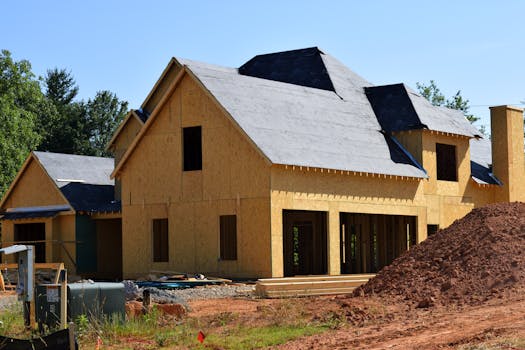
A partially built wooden house under construction, showcasing its progress and design in daylight. Photo: Pixabay / Pexels
The persistent issue of low housing inventory has been a defining characteristic of the U.S. real estate market for several years, directly contributing to price appreciation and competitive buying conditions. As we look towards the 2024 real estate market forecast, the supply side of the equation will be critical in determining the market's trajectory. While there's a general consensus that inventory remains tight, there are nuanced shifts occurring. Existing home sales have been constrained not only by buyer demand but also by a 'lock-in effect,' where homeowners with historically low mortgage rates are reluctant to sell and trade up to a new home with a significantly higher rate. This phenomenon has kept a considerable amount of potential inventory off the market. However, as mortgage rates stabilize or slightly decline, some of these homeowners might find the prospect of moving more palatable, potentially leading to a gradual increase in existing home listings. This would be a welcome development, as it would offer more choices to buyers and help to temper rapid price growth. New construction, while showing signs of improvement, continues to grapple with various headwinds. Supply chain disruptions, though easing, labor shortages, and rising material costs have made it challenging for builders to meet the robust demand for new homes. In 2024, the expectation is for new home construction to continue its slow but steady ramp-up. Builders are increasingly focusing on smaller, more affordable homes and townhouses to cater to the needs of first-time buyers and those seeking more budget-friendly options. This strategic shift could help alleviate some of the affordability pressures and add much-needed inventory, particularly in suburban and exurban areas where land is more readily available and regulations might be less restrictive. However, the pace of new construction is often insufficient to fully address the structural housing deficit accumulated over the past decade. Regional variations in inventory will be significant. Some sunbelt states and growing metropolitan areas might see a more robust increase in new construction, driven by population influx and economic expansion. Conversely, established, land-locked urban centers will likely continue to face severe supply constraints, leading to sustained price competition. The balance between existing home sales and new construction will be a key indicator to watch. A healthy market typically sees a more balanced mix, providing options across different price points and property types. Any substantial increase in overall inventory, whether from existing homes or new builds, would contribute to a more normalized and sustainable housing market, offering buyers more leverage and potentially slowing down the rate of home price appreciation. The ability of builders to overcome remaining challenges and deliver more housing units will be a significant determinant of the market's health and accessibility in the coming year.

Regional Hotspots and Investment Opportunities in the US Housing Market

A cityscape with high-rise buildings and a green rooftop garden. Photo: Ricky Esquivel / Pexels
While the national real estate market forecast for 2024 provides a broad overview, the true opportunities and challenges often lie within specific regional markets. The United States housing market is not a monolith; it's a diverse collection of local economies, each with its own unique supply-demand dynamics, economic drivers, and demographic shifts. Identifying these regional hotspots is crucial for both prospective homeowners and astute investors looking to maximize their returns or find the perfect place to live. Several factors contribute to a region's attractiveness, including robust job growth, population migration trends, affordability relative to local incomes, and the presence of desirable amenities and infrastructure. Sunbelt states, particularly those in the Southeast and Southwest, are expected to continue their strong performance in 2024. Cities in Florida, Texas, and parts of the Carolinas and Arizona have seen sustained population growth driven by favorable climates, lower costs of living compared to coastal metros, and expanding job markets, especially in tech, healthcare, and manufacturing. These areas often present opportunities for real estate appreciation and strong rental yields, making them attractive to investors. However, rapid growth can also lead to increased competition and affordability concerns, so careful market analysis is essential. Conversely, some traditional gateway cities on the coasts, while still expensive, might see more moderate growth as some residents continue to seek more affordable alternatives inland. Investment opportunities in 2024 will diversify beyond traditional single-family homes. The rental market, driven by persistent affordability issues and shifting demographic preferences, continues to be robust. Investors might find opportunities in multi-family properties, build-to-rent communities, and even niche markets like short-term rentals in tourist-heavy areas, though regulations in this sector are becoming more stringent. Furthermore, commercial real estate, particularly industrial and certain segments of retail, may offer compelling returns as the economy evolves. However, the office sector continues to face challenges due to remote work trends, requiring a highly selective approach. For those considering a real estate purchase, whether for personal use or investment, a deep dive into local economic indicators, such as unemployment rates, wage growth, and planned infrastructure projects, will be invaluable. Researching local market conditions can uncover hidden gems or alert you to potential risks that a national overview might miss. Engaging with local real estate professionals, understanding zoning laws, and analyzing comparable sales are all critical steps in identifying the most promising investment opportunities within these diverse regional markets, ensuring your decisions are grounded in localized data and expert insight.

Key Strategies for Buyers and Sellers in 2024

Real estate agent and mature couple shaking hands outdoors, sealing a deal with smiles. Photo: Kampus Production / Pexels
The dynamic nature of the 2024 real estate market demands a strategic approach from both buyers and sellers. Understanding the projected trends and adapting your tactics accordingly can significantly improve outcomes. For prospective buyers, the year ahead presents a mixed bag of challenges and potential opportunities. Here are some key strategies: * **Prioritize Financial Preparation:** With affordability remaining a key concern, getting your finances in impeccable order is paramount. This means improving your credit score, saving a substantial down payment, and getting pre-approved for a mortgage early in your search. A strong financial profile makes you a more attractive buyer, especially if competition for homes remains high. * **Be Flexible with Location and Home Type:** While you might have a dream neighborhood or specific home style in mind, being open to alternatives can broaden your options. Exploring slightly less central neighborhoods or considering townhouses and condos can often lead to more affordable choices without sacrificing too much on lifestyle. * **Understand Mortgage Rate Fluctuations:** Stay informed about economic forecasts and how they might impact interest rates. If rates are projected to decline, don't rush into a purchase if you can wait a few months. Conversely, if you find a favorable rate, locking it in might be a wise move. Work closely with a mortgage broker to navigate these complexities. * **Leverage First-Time Buyer Programs:** If you're a first-time homebuyer, research federal, state, and local programs designed to assist with down payments and closing costs. These programs can significantly reduce the initial financial burden of homeownership. * **Focus on Long-Term Value:** In a market where prices may not appreciate as rapidly as in previous years, focus on properties that offer long-term value, good schools, stable communities, and potential for future growth, rather than speculating on short-term gains. For sellers, 2024 will likely require a more nuanced approach than the frenzied seller's markets of recent years. Key strategies include: * **Price Strategically from the Start:** Overpricing your home in a moderating market can lead to prolonged listing times and eventual price reductions. Work with a knowledgeable real estate agent to conduct a thorough comparative market analysis and price your home competitively from day one. Buyers are more discerning, and value is a major consideration. * **Invest in Presentation:** First impressions are more important than ever. Consider professional staging, high-quality photography, and minor repairs or upgrades that offer a high return on investment. A well-maintained and aesthetically pleasing home will stand out in a market with more inventory. * **Be Prepared for Negotiation:** The days of multiple, all-cash, no-contingency offers might be less common. Be prepared to negotiate on price, contingencies (like inspections), and potentially offer concessions to close the deal. Flexibility can be your greatest asset. * **Highlight Unique Features and Upgrades:** Clearly articulate the value of any significant upgrades, energy-efficient features, or unique architectural elements. Buyers are looking for homes that offer tangible benefits and reduce future expenses. * **Understand Local Market Trends:** Just as with buyers, sellers must understand the specific dynamics of their local market. Is inventory increasing or decreasing? What are homes in your price range selling for? This granular data will inform your selling strategy and expectations. By adopting these proactive strategies, both buyers and sellers can navigate the anticipated complexities of the 2024 real estate market more effectively, leading to more successful transactions.

Comparison

Market Factor2024 Forecast (Likely)2023 Reality (General)Pre-Pandemic (2019)
Mortgage Rates (30-yr fixed)Stabilizing/Slightly Down (6-7%)High/Volatile (6.5-8%)Low/Stable (3.5-4.5%)
Home Price GrowthModerate Appreciation (0-4%)Slowing Appreciation (3-6%)Steady Appreciation (4-6%)
Housing InventoryGradual IncreaseHistorically LowModerate to Ample
AffordabilityChallenging, Slight ImprovementExtremely ChallengingModerately Accessible

What Readers Say

"This real estate market forecast 2024 provided such clarity on mortgage rates. I was so worried, but now I feel much more informed about when to make my move. Truly invaluable insights!"

Sarah J. · Austin, TX

"As a real estate investor, the regional breakdown for 2024 was exactly what I needed. It helped me pinpoint emerging markets and adjust my investment strategy for the coming year."

Mark D. · Miami, FL

"I used the strategies from this forecast and successfully sold my home in a tougher market than expected. The advice on pricing and presentation made all the difference, resulting in a quick sale near asking price."

Emily R. · Denver, CO

"The forecast was very comprehensive, though I wish there was a bit more detail on luxury market predictions. Still, the overall outlook on inventory and affordability was extremely helpful for my buying plans."

David L. · Seattle, WA

"I'm a first-time homebuyer, and this guide demystified the real estate market forecast 2024 for me. It broke down complex topics into understandable advice, making me feel much more confident about entering the market."

Jessica M. · Charlotte, NC

Frequently Asked Questions

What is the primary factor influencing the real estate market forecast 2024?

The primary factor influencing the 2024 real estate market forecast is the trajectory of mortgage interest rates, closely followed by housing inventory levels. Stabilizing or slightly decreasing rates could unlock more buyer demand, while continued low inventory will likely sustain competitive conditions and temper price growth.

Will home prices drop significantly in 2024?

While significant, widespread home price drops are not widely anticipated, most forecasts suggest a period of moderation. Instead of steep declines, expect slower appreciation or minor corrections in some overvalued markets, driven by affordability constraints and a gradual increase in inventory.

How can I prepare to buy a home in 2024 given the forecast?

To prepare for buying a home in 2024, focus on strengthening your financial position: save a substantial down payment, improve your credit score, and get pre-approved for a mortgage. Stay flexible with your search criteria, research local market conditions diligently, and be ready to act when the right opportunity arises.

Is 2024 a good year for real estate investment?

2024 can be a good year for real estate investment, but it requires a strategic and localized approach. Opportunities may shift from rapid appreciation to stable cash flow from rentals, particularly in growth regions. Due diligence and understanding specific market dynamics will be crucial for success.

How does the 2024 forecast compare to pre-pandemic market conditions?

The 2024 forecast differs significantly from pre-pandemic conditions, primarily due to higher mortgage rates and persistent, albeit easing, inventory shortages. While demand remains, the ultra-low rates and rapid appreciation of the pandemic era are unlikely to return, indicating a more normalized, yet still competitive, market.

Who should pay closest attention to the real estate market forecast 2024?

Anyone considering buying, selling, or investing in real estate in the US should pay close attention to the 2024 forecast. This includes first-time homebuyers, existing homeowners looking to move, real estate investors, and industry professionals who need to adapt their strategies to evolving market conditions.

What are the risks associated with the 2024 real estate market?

Key risks for the 2024 real estate market include continued high mortgage rates, persistent inflation, potential economic slowdowns impacting job growth, and localized oversupply in some new construction markets. Buyers face affordability risks, while sellers may need to adjust price expectations.

Will remote work continue to impact the 2024 housing market?

Yes, remote work will continue to impact the 2024 housing market by influencing migration patterns and demand for larger homes in more affordable areas. While some companies are calling employees back to the office, the flexibility offered by hybrid work models will sustain demand in suburban and exurban markets.

The US real estate market forecast for 2024 presents a complex yet navigable landscape. By staying informed on key trends like mortgage rates, inventory, and regional dynamics, you can make strategic decisions whether you're buying, selling, or investing. Empower your real estate journey with expert insights.

Topics: real estate market forecast 2024US housing market outlook2024 mortgage rateshousing affordabilityreal estate investment trends
Leo List
Brampton weed
Adultwork