
Your Ultimate First Time Home Buyer Guide US
first time home buyer guide US

Your Ultimate First Time Home Buyer Guide US

Unlock the secrets to successful homeownership in the US, from initial planning to closing day.

Start Your Home Journey

Key Takeaways

  • ✓ Over 30% of US homebuyers are first-timers.
  • ✓ FHA loans are popular for first-time buyers due to lower down payment requirements.
  • ✓ Interest rates, credit score, and debt-to-income ratio are crucial for mortgage approval.
  • ✓ Closing costs can range from 2-5% of the loan amount.

How It Works

1
Assess Your Financial Health

Before looking at homes, understand your credit score, budget, and savings. This foundational step determines what you can realistically afford.

2
Get Pre-Approved for a Mortgage

A pre-approval letter shows sellers you're a serious buyer and clarifies your borrowing power. It's a critical step before house hunting begins.

3
Find the Right Home and Make an Offer

Work with a trusted real estate agent to find properties matching your criteria. Once found, your agent will help you craft a competitive offer.

4
Navigate Closing and Move In

After an accepted offer, conduct inspections, secure final financing, and sign all necessary documents. Then, the home is officially yours!

Understanding the US Housing Market for First-Time Buyers
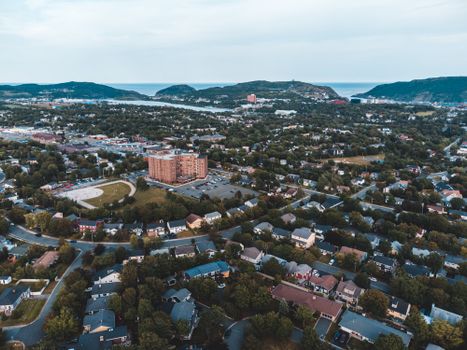
Stunning aerial view of a sprawling suburban neighborhood with greenery and distant mountains. Photo: Erik Mclean / Pexels
Embarking on the journey of homeownership in the United States as a first-time buyer can feel like navigating a labyrinth. The US housing market is vast and diverse, with significant regional variations in prices, inventory, and market dynamics. From the bustling urban centers with sky-high prices to the more affordable suburban and rural landscapes, understanding these nuances is your first step. It's crucial to research the specific market conditions in your desired location. Are prices appreciating rapidly, or is it a buyer's market with more inventory than demand? Factors like local job growth, population shifts, and interest rates all play a role in shaping the market. For instance, a strong job market often leads to higher demand and rising home values. Conversely, an area with an abundance of new construction might offer more choices and potentially better deals. Beyond general market trends, first-time buyers must also grapple with the concept of affordability. This isn't just about the sticker price of a home; it encompasses property taxes, insurance, potential HOA fees, and the cost of living in that area. Many first-time buyers often overlook the ongoing costs of homeownership, focusing solely on the mortgage payment. Property taxes, for example, can vary dramatically from state to state and even county to county. It's essential to factor these into your monthly budget from the outset. Another vital aspect is understanding different types of homes available – single-family homes, condos, townhouses, and multi-family units each come with their own set of pros and cons, as well as distinct financial implications. Condos and townhouses, for example, often come with homeowner association (HOA) fees which cover shared amenities and maintenance, adding to your monthly expenses but potentially reducing personal upkeep responsibilities. Navigating this complex landscape effectively requires a solid understanding of financial preparedness. Lenders will scrutinize your credit score, debt-to-income ratio, and employment history to determine your eligibility and the terms of your loan. A higher credit score, ideally above 700, will typically unlock better interest rates, saving you tens of thousands of dollars over the life of the loan. Your debt-to-income (DTI) ratio, which compares your total monthly debt payments to your gross monthly income, is another critical metric. Most lenders prefer a DTI of 43% or lower for conventional loans. Taking proactive steps to improve these financial indicators before you even start house hunting can significantly strengthen your position. This might involve paying down high-interest debt, disputing errors on your credit report, or saving more for a larger down payment. The more prepared you are financially, the smoother your home-buying journey will be, setting a strong foundation for your future as a homeowner. For more detailed insights into financial planning, explore our guide to mortgage readiness.

Securing Your Dream Home: Financing Options and Loan Programs

Businessman in suit writes on whiteboard displaying mortgage loan rates during a real estate meeting. Photo: RDNE Stock project / Pexels
For many first-time home buyers in the US, the biggest hurdle is often securing adequate financing. Fortunately, numerous loan programs and options are specifically designed to assist you. Understanding these can significantly reduce the financial burden and make homeownership more accessible. The most common type of loan is a conventional loan, which adheres to guidelines set by Fannie Mae and Freddie Mac. These typically require a good credit score and a down payment of at least 3% (though 20% is ideal to avoid Private Mortgage Insurance, or PMI). While they offer flexibility, the credit requirements can be stringent. However, several government-backed programs are tailored for first-time buyers. The Federal Housing Administration (FHA) loan is incredibly popular, allowing down payments as low as 3.5% with less stringent credit requirements. While attractive, FHA loans come with mandatory mortgage insurance premiums (MIP) for the life of the loan, which can add to your monthly costs. Another excellent option for eligible veterans and active-duty service members is the VA loan. Backed by the Department of Veterans Affairs, VA loans often require no down payment and no mortgage insurance, making them one of the most powerful loan products available. Similarly, USDA loans are available for properties in eligible rural areas, offering 100% financing to low-to-moderate-income buyers. Each of these government-backed options has specific criteria for eligibility, so it's vital to research which one best fits your situation. Beyond these major categories, many states and local municipalities offer first-time home buyer programs. These can include down payment assistance, closing cost grants, or favorable loan terms. These programs often have income limits and specific requirements, so check with your state's housing finance agency or a local lender to see what's available in your area. Leveraging such programs can significantly reduce the upfront costs of buying a home. When considering a mortgage, you'll also encounter fixed-rate and adjustable-rate mortgages (ARMs). A fixed-rate mortgage offers predictable monthly payments for the entire loan term, providing stability. An ARM, on the other hand, starts with a lower interest rate for an initial period, after which the rate adjusts periodically based on market conditions. While ARMs can offer lower initial payments, they introduce interest rate risk. Your choice depends on your financial stability and risk tolerance. It's highly recommended to get pre-approved for a mortgage early in the process. This pre-approval gives you a clear understanding of how much you can afford, strengthens your offer to sellers, and helps you streamline your home search. It's a non-negotiable step for any serious first-time buyer.

The Home Buying Process: From House Hunting to Closing Day

Once your finances are in order and you have a pre-approval letter in hand, the exciting phase of house hunting begins. This is where a skilled real estate agent becomes an invaluable asset. A good agent will listen to your needs, understand your budget, and help you navigate available properties, often with access to listings before they hit public sites. They will guide you through neighborhoods, point out potential issues, and help you visualize your life in different homes. Be prepared to view multiple properties; it's a process of elimination and discovery. Don't rush, and don't settle for a home that doesn't meet your core requirements. Consider factors like commute, school districts, local amenities, and future resale value. Once you find the perfect home, your agent will help you craft a competitive offer. This involves not just the price, but also contingencies (like inspection and appraisal), closing dates, and any special requests. In a seller's market, you might need to be aggressive with your offer, potentially waiving some contingencies, though this carries increased risk. After your offer is accepted, the real work begins. The first critical step is the home inspection. This is your opportunity to uncover any hidden defects or necessary repairs. A professional inspector will examine the home's structure, systems (HVAC, plumbing, electrical), and appliances. Based on the inspection report, you can negotiate with the seller for repairs, a credit, or a price reduction. If major issues arise, you might even decide to walk away from the deal, thanks to the inspection contingency. Simultaneously, your lender will order an appraisal to ensure the home's value justifies the loan amount. If the appraisal comes in lower than the agreed-upon price, it can impact your financing and may require further negotiation with the seller. The period between an accepted offer and closing is often called escrow. During this time, various tasks are completed, including title searches to ensure clear ownership, securing homeowner's insurance, and finalizing your mortgage. You'll work closely with your lender to provide any remaining documentation. The closing day itself is when all the legal documents are signed, funds are transferred, and ownership is officially transferred to you. This usually takes place at a title company or attorney's office. Be prepared for a lot of paperwork and ask questions if anything is unclear. You'll receive the keys, and just like that, you'll be a homeowner! This entire process can take anywhere from 30 to 60 days, so patience and proactive communication with your agent and lender are key to a smooth journey. For more on selecting the right professionals, see our guide to real estate teams.

Common Mistakes and Smart Tips for First-Time Home Buyers

As a first-time home buyer, avoiding common pitfalls can save you significant time, money, and stress. Being aware of these mistakes and implementing smart strategies will ensure a smoother journey to homeownership. **Common Mistakes to Avoid:** * **Not getting pre-approved:** This is a fundamental error. Without pre-approval, you don't know your true budget, and sellers won't take your offer seriously. * **Draining your savings:** While a down payment is crucial, don't deplete all your funds. You'll need an emergency fund for unexpected home repairs and moving costs. * **Ignoring closing costs:** These fees, typically 2-5% of the loan amount, can be a surprise if not budgeted for. They include appraisal fees, title insurance, attorney fees, and more. * **Skipping the home inspection:** This is a non-negotiable step. A professional inspection can uncover costly issues that aren't visible to the untrained eye. * **Making major purchases before closing:** Lenders re-verify your financial situation just before closing. Buying a new car or furniture on credit can negatively impact your debt-to-income ratio and jeopardize your loan. * **Not researching the neighborhood:** Look beyond the house. Investigate schools, crime rates, local amenities, and future development plans. **Smart Tips for Success:** * **Boost your credit score:** A higher score means better interest rates. Pay bills on time, reduce credit card debt, and avoid opening new credit lines. * **Save aggressively:** Aim for more than just the down payment. Build a buffer for closing costs, moving expenses, and initial home repairs. * **Interview multiple real estate agents:** Find an agent who is experienced, communicative, and understands your specific needs as a first-time buyer. * **Be patient but decisive:** The right home might not appear overnight, but when it does, be prepared to act quickly in a competitive market. * **Understand different loan options:** Research FHA, VA, USDA, and conventional loans, as well as state and local assistance programs, to find the best fit. * **Factor in ongoing costs:** Beyond the mortgage, budget for property taxes, homeowner's insurance, HOA fees (if applicable), utilities, and maintenance. * **Get multiple mortgage quotes:** Don't just go with the first lender. Shop around to compare interest rates, fees, and terms. * **Read everything carefully:** From the purchase agreement to the loan documents, understand what you're signing. Don't hesitate to ask questions. By being informed and proactive, you can navigate the complexities of buying your first home in the US with confidence.

Comparison

FeatureFHA LoanConventional LoanVA Loan
Down Payment3.5% minimum3-20% minimum0% minimum
Credit Score580+ (for 3.5% DP)620-640+ typicallyNo minimum (lender specific)
Mortgage InsuranceRequired (MIP)Required below 20% DP (PMI)No PMI/MIP
EligibilityBroad, income limits can applyBroad, higher credit/DTIVeterans/Service Members

What Readers Say

"This first time home buyer guide US was incredibly thorough and easy to understand. It demystified the whole process, from pre-approval to closing, and helped me budget effectively for my first home in Austin."

Sarah J. · Austin, TX

"I felt overwhelmed by the thought of buying a home, but this guide broke it down into manageable steps. The financing options section was particularly helpful in understanding FHA loans."

David L. · Miami, FL

"Thanks to this first time home buyer guide US, I was able to secure a fantastic interest rate and navigate the competitive Seattle market. I closed on my dream condo last month!"

Maria P. · Seattle, WA

"The guide provided a solid foundation, though I still had specific questions about Denver's unique market. It was a great starting point, especially the tips on avoiding common mistakes."

Mark T. · Denver, CO

"As a single parent, I thought homeownership was out of reach. This guide showed me various assistance programs and helped me find a home that fit my budget and my family's needs in Chicago."

Jessica R. · Chicago, IL

Frequently Asked Questions

What is the minimum down payment for a first-time home buyer in the US?

The minimum down payment varies depending on the loan program. FHA loans require as little as 3.5% down, while conventional loans can be 3% or more. VA and USDA loans often allow for 0% down for eligible borrowers, making homeownership more accessible for many.

Is now a good time to buy a home as a first-time buyer in the US?

The 'best' time to buy is highly personal and depends on your financial situation and local market conditions. While interest rates and home prices fluctuate, focusing on your readiness, stable employment, and ability to afford monthly payments is more critical than trying to time the market perfectly.

How do I get pre-approved for a mortgage?

To get pre-approved, you'll need to provide a lender with financial documentation including pay stubs, tax returns, bank statements, and information about your debts. The lender will review your credit history and financial standing to determine how much you can borrow.

What are closing costs, and how much should I budget for them?

Closing costs are various fees associated with finalizing your home purchase, such as appraisal fees, title insurance, attorney fees, and loan origination fees. They typically range from 2% to 5% of the loan amount and are paid at closing. It's crucial to budget for these in addition to your down payment.

Should I use a real estate agent as a first-time home buyer?

Absolutely. A real estate agent, especially one experienced with first-time buyers, can be an invaluable asset. They guide you through the complex process, help you find suitable properties, negotiate on your behalf, and ensure all paperwork is handled correctly, often at no direct cost to the buyer.

Who should use this first time home buyer guide US?

This guide is designed for anyone in the United States considering purchasing their first home. Whether you're just starting to save, exploring financing options, or actively searching for properties, this comprehensive resource provides the essential information and strategies needed to successfully navigate the home-buying journey.

What are the risks of buying a home without a proper inspection?

Buying a home without a proper inspection can lead to significant financial risks. You might inherit major structural problems, faulty electrical systems, plumbing issues, or hidden damages that could cost tens of thousands of dollars to repair, far outweighing the cost of an inspection.

How might technology impact the future of first-time home buying?

Technology is already transforming home buying with virtual tours, AI-powered property matching, and online mortgage applications. In the future, we can expect even more streamlined digital processes, blockchain for secure transactions, and enhanced data analytics to provide deeper market insights, making the process more efficient and transparent for first-time buyers.

Ready to take the exciting leap into homeownership? This first time home buyer guide US has equipped you with the knowledge and tools you need. Start leveraging these insights today to confidently navigate the market and secure your dream home.

Topics: first time home buyer guide USbuying a home USfirst time home loanmortgage for first time buyersUS real estate tips
Leo List
Brampton weed
Adultwork