Pros and Cons of Buying a New Build Home: Your Ultimate Guide
pros and cons of buying a new build home

Pros and Cons of Buying a New Build Home: Your Ultimate Guide

Discover the advantages and disadvantages of new construction to make the best decision for your homeownership journey.

Explore New Builds

Key Takeaways

  • ✓ New builds often come with modern layouts and energy-efficient features.
  • ✓ Customization options are a significant draw for many new home buyers.
  • ✓ Hidden costs and potential construction delays can impact your budget and timeline.
  • ✓ Resale value of new builds can vary based on market conditions and location.

How It Works

1
Research Builders & Communities

Identify reputable builders and visit their model homes in communities that align with your lifestyle and budget. Pay attention to community amenities and future development plans.

2
Secure Financing & Choose Upgrades

Get pre-approved for a mortgage, often with the builder's preferred lender for potential incentives. Select your desired floor plan and personalize it with structural and design upgrades.

3
Monitor Construction Progress

Stay in communication with the builder's sales team and construction manager. Conduct walk-throughs at key stages, including a pre-drywall inspection, to ensure quality.

4
Final Walk-Through & Closing

Perform a thorough final walk-through before closing to identify any last-minute issues or 'punch list' items. Review all closing documents carefully and finalize your purchase.

The Allure of New Construction: Unpacking the Advantages
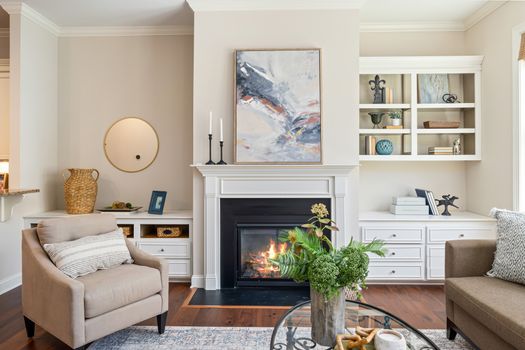
Elegant living room featuring a modern fireplace, art, and stylish furniture for a cozy ambiance. Photo: Curtis Adams / Pexels
The dream of being the first owner to step foot into a pristine, never-lived-in home is a powerful one for many aspiring homeowners. New build homes offer a unique set of advantages that can make them incredibly appealing, especially in today's dynamic real estate market. One of the most significant draws is the ability to customize. Unlike existing homes where you're often limited to cosmetic changes after purchase, new construction allows you to select finishes, fixtures, and even some structural elements before the home is even completed. Imagine choosing your ideal countertop material, cabinet style, flooring, and paint colors, all to perfectly match your personal aesthetic and functional needs. This level of personalization ensures that your new home truly feels like 'yours' from day one, without the need for immediate renovations or compromises. Beyond aesthetics, modern new builds are typically designed with superior energy efficiency in mind. Builders are incorporating advanced insulation techniques, energy-efficient windows, high-efficiency HVAC systems, and appliances that meet stringent energy standards. This translates directly into lower utility bills for homeowners, providing significant savings over the lifespan of the home. In an era of rising energy costs, this can be a substantial long-term benefit. Furthermore, new homes often come equipped with the latest smart home technology, from integrated security systems and smart thermostats to intelligent lighting and wiring for high-speed internet, offering convenience and connectivity that older homes might lack. The peace of mind that comes with brand-new systems and appliances is also invaluable. You won't have to worry about an aging furnace giving out in the middle of winter or a leaky roof after a heavy storm, as all major components are new and typically covered by builder warranties. This reduces unexpected repair costs and maintenance headaches during the initial years of ownership, allowing you to settle in without immediate financial burdens. Another compelling advantage is the contemporary design and layout. New homes are built to reflect current living trends, featuring open-concept floor plans, larger master suites, walk-in closets, dedicated home offices, and more functional spaces that cater to modern lifestyles. These layouts often maximize natural light and create a sense of spaciousness that can be harder to find in older, more compartmentalized homes. Many new communities also offer a range of amenities that enhance the living experience, such as community pools, fitness centers, parks, walking trails, and clubhouses. These shared spaces foster a sense of community and provide recreational opportunities right on your doorstep, adding significant value to your investment. The overall aesthetic of a new development, with its uniform landscaping and fresh architecture, can also be very appealing. For more insights on current market trends, explore real estate market trends. Finally, the simplified buying process can be a huge relief for many. While buying any home involves paperwork, new construction often streamlines certain aspects. Builders typically have preferred lenders, title companies, and even in-house sales teams that can guide you through each step, potentially offering incentives for using their services. This integrated approach can make the transaction smoother and less stressful compared to negotiating with individual sellers, who may have their own timelines and complexities. The absence of previous owners also means you're starting with a clean slate, both literally and figuratively, without inheriting any hidden issues or design choices you dislike. This fresh start, combined with modern features and energy efficiency, makes new build homes an attractive proposition for a wide array of buyers.

Navigating the Downsides: Potential Challenges of New Builds
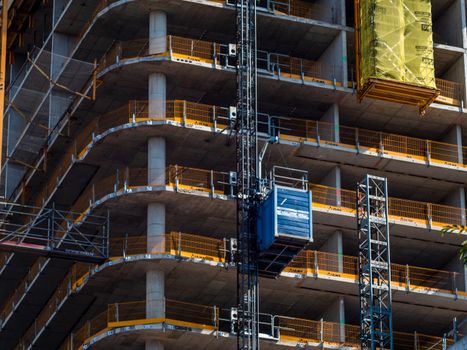
Detailed view of a high-rise building construction featuring a crane and multi-level scaffolding. Photo: SHOX ART / Pexels
While the appeal of a new build home is undeniable, it's crucial for prospective buyers to also understand the potential disadvantages and challenges that come with new construction. One of the primary concerns for many is the price. New homes often come with a higher initial price tag compared to existing homes of similar size and location. This premium reflects the cost of new materials, labor, modern amenities, and the builder's profit margin. Moreover, what initially appears to be a base price can quickly escalate with upgrades. Builders typically offer a range of standard finishes, but most buyers opt for various upgrades – from flooring and cabinetry to smart home features and landscaping – which can add tens of thousands of dollars, or even more, to the final cost. These 'hidden' costs or upgrade expenses can significantly impact your budget if not carefully managed from the outset. Another common challenge is the potential for construction delays. Building a home is a complex process, and even the most organized builders can encounter unforeseen issues. Weather delays, material shortages, labor availability, or unexpected permitting issues can push back completion dates, sometimes by several months. This can be particularly disruptive if you're selling an existing home or have a fixed moving timeline, leading to temporary housing costs or other logistical nightmares. While builders strive to meet deadlines, it’s important to enter the process with flexibility and a contingency plan. Furthermore, the location of new developments can sometimes be a drawback. To find large tracts of land for new communities, builders often develop on the outskirts of established towns or in less developed areas. This can mean longer commutes, fewer immediate amenities like shops and restaurants, and less mature landscaping compared to older neighborhoods. While these areas often develop over time, the initial period might feel somewhat isolated. Quality control can also be a mixed bag. While new homes theoretically should be perfect, construction defects can occur. Rushed timelines or inexperienced subcontractors can lead to issues ranging from minor cosmetic flaws to more significant structural problems. While builder warranties provide some protection, getting issues resolved can sometimes be a lengthy and frustrating process. It's highly recommended to hire an independent home inspector, even for a new build, to catch potential defects before closing. Unlike existing homes where you can see the finished product and identify any wear and tear, with a new build, you're often buying based on a model home and blueprints, which might not perfectly reflect your final property. Lastly, the landscaping and established feel of a neighborhood can be a downside. New communities often feature young trees and nascent gardens, which take years to mature. This can result in a less shaded, less private, and generally less 'homey' feel compared to older neighborhoods with mature trees and established greenery. The construction noise and dust can also be a persistent issue, particularly if you're one of the first residents in a large, multi-phase development. While these are temporary inconveniences, they are worth considering when weighing the overall living experience. Understanding these potential challenges allows buyers to approach new construction with realistic expectations and better prepare for the journey ahead.

Making an Informed Choice: New Build vs. Existing Home

Juxtaposition of a decaying wooden house with a newly painted modern building in an urban setting. Photo: Mehmet Turgut Kirkgoz / Pexels
Deciding between a new build and an existing home is one of the most critical choices a homebuyer faces, and it significantly impacts not only your budget but also your lifestyle. The comparison goes beyond just price, delving into factors like long-term maintenance, immediate livability, and community feel. When considering an existing home, you often gain the advantage of established neighborhoods. These areas typically boast mature trees, well-maintained public spaces, and proximity to existing infrastructure like schools, shops, and public transport. The charm and character of an older home, with its unique architectural details and history, can be a major draw for those who appreciate a lived-in feel. Furthermore, existing homes are usually available for a quicker move-in, as there's no construction period to wait out. You can see exactly what you're getting, inspect it thoroughly, and often negotiate a faster closing. However, older homes inevitably come with the likelihood of more immediate repairs and ongoing maintenance. Roofs, HVAC systems, plumbing, and electrical wiring may be nearing the end of their lifespan, potentially leading to significant unexpected costs shortly after purchase. Energy efficiency can also be a concern, with older insulation and windows often resulting in higher utility bills. In contrast, new builds offer the promise of modern convenience and minimal initial maintenance. Everything is brand new, from the foundation to the roof, meaning you're unlikely to face major repair costs in the first few years. The energy efficiency built into new construction translates to lower operating costs, and the latest building codes ensure superior safety and structural integrity. The ability to customize your home to your exact specifications, from floor plans to finishes, is a luxury not typically afforded by existing homes. However, new builds often mean living in developing neighborhoods, which may lack the established character or immediate amenities of older areas. While amenities like pools and clubhouses are common in new communities, they are often shared facilities, and the overall 'feel' of the neighborhood can take time to mature. The construction timeline, as discussed, can also be a significant factor, requiring patience and flexibility from the buyer. Financially, existing homes might offer more negotiation room on price, especially in a buyer's market, and potentially lower property taxes initially, as they are assessed on an older value. New builds, while having a higher initial cost, might offer builder incentives like closing cost assistance or appliance packages, which can offset some of the upfront expenses. The long-term value appreciation of both types of homes depends heavily on the specific market, location, and overall economic conditions. It's crucial to weigh your priorities: Do you value immediate character and an established neighborhood, or the pristine condition, modern features, and customization opportunities of a new build? Consider your budget for immediate repairs, your tolerance for construction delays, and your desire for personalized living spaces. For a deeper dive into the buying process, check out our guide on how to buy a house. Ultimately, the 'better' choice is subjective and depends entirely on your individual needs, financial situation, and lifestyle preferences. Some buyers thrive on the challenge and reward of renovating an older home to their taste, while others prefer the turnkey, hassle-free experience of moving into a brand-new property. Thorough research, visiting both new and existing homes, and consulting with a knowledgeable real estate agent who understands both markets are essential steps in making the decision that is right for you.

Smart Strategies for New Build Home Buyers

A real estate agent shows an unfinished apartment to prospective buyers. Photo: Pavel Danilyuk / Pexels
Buying a new build home requires a distinct approach compared to purchasing an existing property. To ensure a smooth and successful experience, it's vital to adopt smart strategies from the outset. Firstly, never visit a new construction site or model home without your own real estate agent. While the builder's sales representative is a valuable resource, their primary loyalty is to the builder. Your own agent will represent your best interests, help you navigate contracts, negotiate terms, and ensure you're aware of all potential costs and incentives. They can also provide insights into the builder's reputation and past projects. Secondly, scrutinize the builder's contract meticulously. Builder contracts are often lengthy and complex, heavily favoring the builder. Pay close attention to clauses regarding completion dates, escalation clauses (which allow builders to increase the price due to material cost hikes), warranty details, and dispute resolution processes. It's highly advisable to have a real estate attorney review the contract before you sign anything. This small investment can save you significant headaches and financial burdens down the line. Don't be afraid to negotiate; while base prices might be firm, there's often room to negotiate on upgrades, closing costs, or even appliance packages, especially towards the end of a sales quarter or year. Thirdly, budget for upgrades wisely. While it's tempting to select every desirable upgrade, be mindful of their impact on your overall budget. Prioritize structural upgrades or those that are difficult and expensive to add later, like additional electrical outlets, plumbing rough-ins, or upgraded insulation. Cosmetic upgrades like paint colors or light fixtures can often be done more affordably after you move in. Ask about the cost of each upgrade and consider the return on investment. Some upgrades, like energy-efficient windows, pay for themselves over time, while others are purely for aesthetic pleasure. Finally, always get an independent home inspection. Even with a brand-new home and builder warranties, an unbiased third-party inspector can identify issues that might be missed during builder walk-throughs. Schedule inspections at critical stages, such as before drywall installation (pre-drywall inspection) and again before your final walk-through. This ensures that any potential issues with framing, plumbing, or electrical systems are caught and rectified before they become hidden problems. Document everything with photos and written communication. A proactive and informed approach will help you maximize the benefits and minimize the potential pitfalls of buying a new build home, leading to a more satisfying homeownership experience. * **Key Tips for New Build Buyers:** * **Engage a Buyer's Agent:** Crucial for independent representation. * **Read the Contract Carefully:** Builder contracts can be complex; legal review is essential. * **Prioritize Upgrades:** Focus on structural and hard-to-change items first. * **Independent Inspections:** Hire your own inspector at key construction phases. * **Document Everything:** Keep records of communications, selections, and inspections. * **Understand Builder Warranties:** Know what is covered and for how long. * **Visit the Site Regularly:** Monitor progress and flag concerns early. * **Research the Builder:** Check reviews, past projects, and financial stability.

Comparison

FeatureNew Build HomeExisting Home (Older)Existing Home (Newer)
CustomizationExtensive options (finishes, layout)Limited (post-purchase renovation)Limited (post-purchase renovation)
Maintenance Costs (Initial 5 yrs)Lower (new systems, warranties)Higher (potential for repairs)Moderate (some wear & tear)
Energy EfficiencyHigh (modern standards)Lower (older insulation/systems)Moderate to High (depends on age)
Move-in TimeLonger (construction delays possible)Faster (typically 30-60 days)Faster (typically 30-60 days)
Community AmenitiesOften included (pools, parks)Varies (established neighborhoods)Varies (established neighborhoods)
Established Landscaping✗ (young trees, new gardens)✓ (mature trees, greenery)✓ (mature trees, greenery)
Negotiation Room on PriceLimited on base price, more on upgrades/incentivesMore flexibility, especially in buyer's marketModerate, depends on market
Unexpected Repair CostsLow (due to warranties)High potential (aging systems)Moderate potential

What Readers Say

"Buying our new build was fantastic! We loved picking out all the finishes and knowing everything was brand new. The only con was the construction noise for the first few months, but it was worth it for our dream home."

Sarah J. · Austin, TX

"The energy efficiency of our new home is incredible; our utility bills are much lower than our old place. The builder's warranty gave us great peace of mind, though we did have a few minor punch-list items that took a bit to fix."

Mark D. · Orlando, FL

"We appreciated the streamlined process with the builder's lender and the ability to customize our floor plan. The wait time for construction was a bit longer than expected, but the result was a home perfectly tailored to our family's needs."

Emily R. · Denver, CO

"The modern design and community amenities were huge pros for us. However, we did find the upgrade costs added up quickly, so future buyers should budget extra for those personalized touches. Still, we're very happy with our purchase."

David L. · Charlotte, NC

"Moving into a home where everything is pristine and under warranty is such a relief. We didn't have to worry about immediate repairs like we would with an older home, which was a major factor in our decision, despite the slightly higher initial cost."

Jessica M. · Phoenix, AZ

Frequently Asked Questions

What are the biggest financial benefits of buying a new build home?

The biggest financial benefits often include lower utility bills due to superior energy efficiency, reduced immediate maintenance costs because everything is new and under warranty, and potential builder incentives like closing cost assistance or upgrade credits which can save you money upfront.

Are new build homes always more expensive than existing homes?

While new build homes often have a higher base price, the total cost can be comparable or even less than an existing home when you factor in potential renovation costs, higher utility bills, and unexpected repairs that older homes often require. It's essential to consider the long-term cost of ownership.

How long does it typically take to build a new home in the US?

The construction timeline for a new home can vary significantly, typically ranging from 6 to 12 months, and sometimes longer. Factors like the size and complexity of the home, weather conditions, material availability, and permitting processes all influence the completion date.

What kind of warranties come with a new build home?

New build homes typically come with a multi-tiered warranty. This often includes a 1-year warranty on workmanship and materials, a 2-year warranty on plumbing, electrical, and HVAC systems, and a 10-year structural warranty, protecting major structural components.

Should I use the builder's preferred lender?

While you are not obligated to use the builder's preferred lender, it often comes with incentives such as reduced closing costs or special financing rates. It's wise to compare their offer with at least two other independent lenders to ensure you're getting the best terms possible.

Who should consider buying a new build home?

New build homes are ideal for buyers who prioritize customization, modern amenities, energy efficiency, and minimal immediate maintenance. They are also a good fit for those who are patient with construction timelines and prefer a hassle-free, move-in ready experience without the need for immediate renovations.

What are the risks of buying a home that isn't fully built yet?

Key risks include potential construction delays, which can disrupt moving plans; unexpected cost increases if the contract includes escalation clauses; and the possibility of quality control issues if the builder rushes or uses inexperienced labor. Independent inspections and thorough contract review can mitigate these risks.

How will new build communities evolve over time?

New build communities typically mature over time, with landscaping filling in, amenities becoming fully operational, and more businesses and infrastructure developing in the surrounding areas. Property values can appreciate as the community becomes more established and desirable.

Understanding the pros and cons of buying a new build home is paramount to making a sound investment. By weighing the benefits of customization and efficiency against potential delays and costs, you can confidently navigate the new construction market and find a home that perfectly suits your needs and aspirations.

Topics: pros and cons of buying a new build homenew construction homesbuying new housenew build vs existing homehome buyer guide
Leo List
Brampton weed
Adultwork EstrelaBet Vai de Bet R7 Bet Betão Galera Bet Rainbet Bet9ja Shop SportyBet BetKing Sisal Loto Foot Hollywoodbets YesPlay Odibets RushBet Jugabet BetWarrior BetCity MSport betPawa Fortebet