✓ Duplexes offer a unique opportunity for owner-occupancy combined with rental income.
✓ Mortgage qualification can be easier for owner-occupied duplexes compared to pure investment properties.
✓ Landlord responsibilities, while present, can be mitigated by living on-site.
✓ Potential for accelerated wealth building through property appreciation and rental cash flow.
✓ Market conditions and local regulations significantly impact duplex investment viability.
How It Works
1
Identify Your Investment Goals
Determine if you're looking for passive income, a primary residence with supplemental income, or a pure investment. This will shape your search criteria and risk tolerance.
2
Secure Financing & Pre-Approval
Explore loan options like FHA, VA, or conventional mortgages, understanding that owner-occupied duplexes often have more favorable terms. Get pre-approved to strengthen your offer.
3
Search for Suitable Properties
Work with a real estate agent experienced in multi-family properties. Focus on areas with strong rental demand, good schools, and potential for appreciation.
4
Manage Property & Tenants
Once purchased, you'll be responsible for maintenance, tenant screening, and rent collection. Consider property management software or a professional manager, especially if you don't live on-site.
The Allure of Duplex Ownership: Understanding the Benefits
Photo: Kindel Media / Pexels
Owning a duplex, a property with two separate living units, presents a compelling real estate strategy for many individuals and families. The primary draw often lies in its unique blend of personal residency and income generation, a concept popularly known as 'house hacking.' Imagine living in one unit while a tenant in the other unit helps cover your mortgage payments. This immediate financial relief is a significant advantage, potentially reducing your personal housing expenses dramatically or even allowing you to live mortgage-free. This strategy can free up substantial funds that can then be redirected towards savings, investments, or debt repayment, accelerating your financial independence.
Beyond immediate cash flow, duplexes offer an accessible entry point into real estate investment. Unlike larger multi-family properties that demand substantial capital and management expertise, a duplex is often considered a stepping stone. Financing for owner-occupied duplexes can be more favorable than for pure investment properties. Government-backed loans like FHA and VA loans, typically reserved for primary residences, can be used to purchase a duplex, often requiring lower down payments and offering competitive interest rates. This makes duplex ownership attainable for a broader range of buyers who might otherwise struggle to enter the investment property market.
Furthermore, duplexes provide a diversified income stream. If one unit is vacant or a tenant defaults, you still have the income from the other unit to cushion the financial blow, unlike a single-family rental where a vacancy means zero income. This built-in financial resilience is a crucial benefit, especially in uncertain economic times. As an owner-occupant, you also have the distinct advantage of being on-site for property management. This proximity allows for quicker response times to maintenance issues, better oversight of the property's condition, and a more direct relationship with your tenants. While this does come with its own set of responsibilities, it can also lead to more efficient property management and reduced costs associated with third-party managers. The appreciation potential of a duplex is another significant pro. As property values generally increase over time, your duplex can grow into a substantial asset, building equity that can be leveraged for future investments or serve as a significant component of your long-term wealth strategy. The rental income also provides a hedge against inflation, as rents typically rise with the cost of living, ensuring your investment maintains its value and profitability. Understanding real estate market trends is crucial for maximizing these benefits.
Navigating the Challenges: The Cons of Duplex Ownership
Photo: Ivan S / Pexels
While the benefits of owning a duplex are attractive, it's crucial to approach this investment with a clear understanding of the potential drawbacks and challenges. The most significant hurdle for many is the assumption of landlord responsibilities. When you own a duplex, you become a landlord, which entails much more than just collecting rent. You're responsible for all property maintenance, from leaky faucets and broken appliances to landscaping and snow removal. These tasks can be time-consuming, expensive, and often arise at inconvenient times. While living on-site can make addressing these issues easier, it also means your home life is intertwined with your landlord duties, potentially blurring the lines between personal space and professional responsibilities.
Tenant issues are another major consideration. Screening tenants, handling late payments, dealing with noise complaints, and potentially navigating eviction processes can be emotionally draining and legally complex. Living next door to your tenants can exacerbate these challenges, as you might feel more pressure to address every minor complaint, and tenants might feel more comfortable approaching you directly at any hour. Maintaining a professional distance can be difficult when you share a wall or a yard. The financial risks associated with vacancies or problem tenants can also be substantial. A vacant unit means a significant reduction in your expected income, potentially leaving you solely responsible for the entire mortgage payment. Eviction proceedings can be lengthy and costly, further impacting your finances and peace of mind.
Another con relates to privacy and personal space. Living in one unit of a duplex means you'll always have neighbors very close by. This can be a deal-breaker for those who value complete solitude or have a strong preference for detached living. Shared walls, driveways, or yards can lead to occasional conflicts or a feeling of diminished privacy. Furthermore, the initial investment required for a duplex is generally higher than for a comparable single-family home. While the rental income can offset this, it still means a larger down payment and potentially a larger mortgage, which can be a barrier for some buyers. Market fluctuations also play a role; if the local rental market softens, it can be difficult to find good tenants or maintain desired rental rates, impacting your cash flow. Regulations surrounding landlord-tenant laws vary significantly by state and even by municipality, adding a layer of complexity that requires careful research and adherence to avoid legal issues. These factors highlight the need for thorough due diligence and a realistic assessment of your capacity to manage the responsibilities that come with duplex ownership.
Financial Implications and Long-Term Investment Strategy
Photo: Hanna Pad / Pexels
Delving deeper into the financial implications, owning a duplex offers a unique pathway to wealth building, but it also demands a robust financial strategy. On the positive side, the ability to 'house hack' significantly reduces your personal housing expenses, which is often the largest monthly outlay for most households. This reduction in personal overhead can dramatically improve your monthly cash flow, allowing you to save more, invest in other ventures, or pay down the mortgage faster. The concept of having a tenant essentially pay part or all of your mortgage is a powerful financial lever. Over time, as rents typically increase, your cash flow can improve even further, turning the duplex into a significant income-generating asset. This is a stark contrast to owning a single-family home where 100% of the mortgage burden falls on the homeowner.
Tax benefits are another substantial financial advantage. As a landlord, you can deduct various expenses related to the rental unit, including mortgage interest, property taxes, insurance, depreciation, maintenance costs, and even professional fees. These deductions can significantly reduce your taxable income, enhancing the overall profitability of your investment. It's crucial to consult with a tax professional to maximize these benefits and ensure compliance with IRS regulations. Moreover, the principal paydown on your mortgage, funded by your tenant's rent, builds equity over time. This equity is a form of forced savings and can be a valuable asset for future financial goals, such as retirement or further real estate investments. The combination of appreciation, rental income, and principal paydown creates a powerful engine for long-term wealth accumulation.
However, the financial landscape isn't without its challenges. The initial capital outlay for a down payment, closing costs, and potential renovation expenses can be substantial. While owner-occupied duplexes often qualify for lower down payment loans, the total cash needed upfront can still be a barrier. Unexpected repair costs, especially for older properties, can quickly deplete emergency funds if not properly accounted for. A new roof, HVAC system, or major plumbing issue can run into thousands of dollars. Property taxes and insurance premiums can also increase over time, impacting your net operating income. It's essential to factor in a vacancy rate and a budget for capital expenditures when calculating potential returns. Overestimating rental income or underestimating expenses can lead to financial distress. Conducting a thorough financial analysis, including a detailed pro forma, is critical before making an investment decision. Understanding the local market's rental rates, vacancy rates, and typical operating expenses will provide a realistic picture of the investment's potential. For more insights on optimizing real estate investments, consider market research and financial modeling.
Common Mistakes and Smart Strategies for Duplex Owners
Photo: Ivan S / Pexels
Entering the world of duplex ownership requires more than just financial capital; it demands strategic planning and an awareness of common pitfalls. One of the most frequent mistakes new duplex owners make is failing to adequately screen tenants. A bad tenant can lead to financial losses, property damage, and immense stress. Thorough background checks, credit reports, reference checks, and consistent application of screening criteria are paramount. Another common error is neglecting to set clear boundaries with tenants, especially when living on-site. While friendly relations are good, professionalism must prevail. Avoid becoming too familiar, and ensure all communications regarding tenancy are clear, documented, and adhere to the lease agreement.
Underestimating maintenance costs and capital expenditures is another significant misstep. Many first-time landlords focus solely on the monthly cash flow without allocating funds for inevitable repairs and long-term capital improvements like a new roof or furnace. Creating a separate savings account specifically for these 'rainy day' funds is a smart strategy. Budgeting at least 1-2% of the property's value annually for maintenance and repairs is a good rule of thumb. Failing to understand and comply with local landlord-tenant laws can also lead to costly legal battles. These laws cover everything from lease agreements and security deposit handling to eviction procedures and fair housing regulations. Ignorance is not an excuse, so investing time in legal education or consulting with a real estate attorney is highly advisable.
Smart strategies for duplex owners include:
* **Comprehensive Tenant Screening:** Utilize professional screening services to get detailed reports on potential tenants, including criminal history, eviction records, and financial stability.
* **Professional Lease Agreements:** Use legally sound lease agreements that clearly outline expectations, responsibilities, and consequences for both parties.
* **Emergency Fund:** Build a robust emergency fund specifically for the property to cover unexpected vacancies or major repairs.
* **Regular Maintenance Schedule:** Implement a proactive maintenance schedule to prevent small issues from becoming expensive problems. This includes seasonal checks on HVAC, plumbing, and roofing.
* **Boundary Setting:** Establish and maintain professional boundaries with tenants from day one. Use a dedicated communication channel for property-related issues and respect each other's privacy.
* **Market Research:** Continuously monitor local rental rates and market conditions to ensure your rents are competitive and your property remains attractive to quality tenants.
* **Networking:** Connect with other local landlords and real estate investors to share experiences, advice, and best practices.
By avoiding these common mistakes and implementing smart strategies, duplex owners can significantly increase their chances of success and profitability.
Comparison
Feature
Duplex (Owner-Occupied)
Single-Family Home
Multi-Family (Non-Owner-Occupied)
Housing Cost Reduction
High (tenant rent offsets mortgage)
Low (100% owner responsibility)
N/A (pure investment)
Entry-Level Investment
Moderate (FHA/VA options)
Low (primary residence focus)
High (larger down payment)
Landlord Responsibilities
Moderate (on-site management)
None
High (off-site management)
Privacy
Moderate (shared walls/yard)
High (detached living)
High (no personal residency)
Financing Options
Favorable (owner-occupant loans)
Most favorable (primary residence)
Less favorable (investment loans)
Income Diversification
Yes (two units)
No (single stream)
Yes (multiple units)
On-Site Management
✓
✓
✗
Potential for Capital Gains
✓
✓
✓
What Readers Say
★★★★★
"Owning a duplex has been a game-changer for my finances. My tenant covers nearly 70% of my mortgage, allowing me to save aggressively and travel more. The occasional maintenance is a small price to pay for such financial freedom."
Sarah J. · Austin, TX
★★★★★
"I was hesitant about being a landlord, but living in one unit of my duplex has made it manageable. I can respond quickly to issues, and I've built a good relationship with my tenants. It's a fantastic way to build equity and generate income."
Mark D. · Denver, CO
★★★★★
"After living in my duplex for three years, I've seen my net worth increase significantly. The rental income not only covers my mortgage but also contributes to property taxes and insurance. It feels like my property is truly working for me."
Jessica L. · Portland, OR
★★★★★
"While I appreciate the financial benefits of my duplex, managing tenants can be challenging, especially being so close. It requires a good balance of professionalism and clear boundaries. Still, the long-term investment is worth the effort."
Robert K. · Chicago, IL
★★★★★
"As a first-time investor, buying a duplex was less intimidating than a larger apartment building. It allowed me to learn the ropes of property management on a smaller scale, and the 'house hacking' aspect made homeownership affordable in a competitive market."
Emily R. · Atlanta, GA
Frequently Asked Questions
What are the biggest financial pros and cons of owning a duplex?
The biggest financial pro is undoubtedly 'house hacking,' where rental income from one unit significantly offsets or even covers your mortgage, dramatically reducing your personal housing costs. This builds equity faster and frees up personal capital. The primary con is the financial responsibility for all repairs, maintenance, and potential income loss during vacancies, which requires a robust emergency fund and careful budgeting.
Is owning a duplex more difficult than a single-family home?
Yes, in many ways, it is. While you gain income, you also take on landlord responsibilities for the second unit, including tenant screening, lease management, maintenance, and potentially dealing with disputes. This added layer of responsibility is not present with a single-family home where you are only responsible for your own living space.
How do I find good tenants for my duplex?
Finding good tenants involves a multi-step process: thoroughly marketing your vacant unit, conducting comprehensive background checks (credit, criminal, eviction history), verifying employment and income, and contacting previous landlord references. A clear, legally compliant lease agreement is also crucial to set expectations.
What are the upfront costs associated with buying a duplex?
Upfront costs for a duplex include the down payment (which can be as low as 3.5% with an FHA loan for owner-occupants), closing costs (typically 2-5% of the loan amount), inspection fees, appraisal fees, and potentially initial renovation or repair costs. It's vital to budget for these significant expenses.
How does owning a duplex compare to investing in a REIT?
Owning a duplex offers direct ownership, potential for forced appreciation through improvements, and direct control over management and income, but comes with significant time commitment and liability. Investing in a REIT (Real Estate Investment Trust) offers passive income and diversification without management responsibilities, but you have no direct control over the properties and are subject to stock market volatility.
Who should consider owning a duplex?
Owning a duplex is ideal for individuals or families looking to significantly reduce their housing costs, build equity and long-term wealth, and gain hands-on experience in real estate investment. It suits those comfortable with landlord responsibilities and living in close proximity to tenants.
What are the common legal risks of duplex ownership?
Common legal risks include violations of fair housing laws during tenant screening or advertising, issues with security deposit handling, wrongful eviction claims, and disputes over lease terms or property maintenance. Adhering strictly to local landlord-tenant laws and having a solid lease agreement are essential for mitigation.
What impact do rising interest rates have on duplex ownership?
Rising interest rates generally increase the cost of borrowing, making mortgages more expensive for new duplex purchases. This can reduce affordability and potentially cool the market. However, for existing owners, rising rates can also temper new construction, potentially increasing demand for existing rental units and allowing for rent increases over time.
Understanding the pros and cons of owning a duplex is the first step toward a potentially lucrative real estate journey. Whether you're seeking financial independence through 'house hacking' or aiming for long-term wealth building, a duplex offers a unique blend of benefits and challenges. Carefully weigh these factors to determine if this rewarding investment strategy aligns with your financial goals and lifestyle.

 Photo: Kindel Media / Pexels
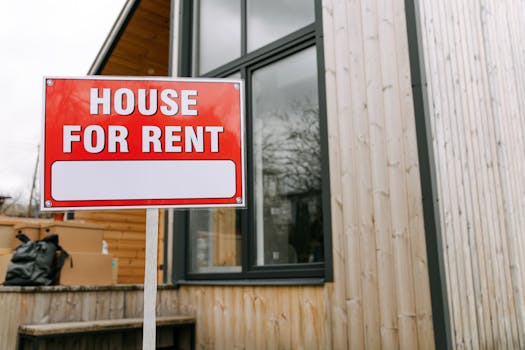 Photo: Ivan S / Pexels
 Photo: Hanna Pad / Pexels
 Photo: Ivan S / Pexels