
Discover Your Dream: Land for Sale in Arizona
Unlock the potential of Arizona's diverse landscapes, from desert vistas to mountain retreats, for your next big venture.
Find Your Arizona LandKey Takeaways
- ✓ Arizona offers diverse land types: desert, mountain, high desert, and riparian.
- ✓ The state's population growth drives strong demand for land, especially near urban centers.
- ✓ Water rights are a critical consideration when purchasing land in Arizona.
- ✓ Investment opportunities exist in residential, commercial, agricultural, and recreational land.
How It Works
Determine your purpose for the land – investment, custom home, agriculture, or recreation. This clarity will guide your search criteria and location preferences.
Explore different regions of Arizona that align with your vision and research local zoning ordinances. Understand what can and cannot be built or done on the property.
Perform thorough checks on water rights, utilities, access, soil quality, and environmental factors. This crucial step prevents future complications and ensures viability.
Explore financing options tailored for land purchases and work with a reputable real estate agent and legal counsel. Finalize the purchase agreement and transfer of ownership.
Why Invest in Arizona Land for Sale?
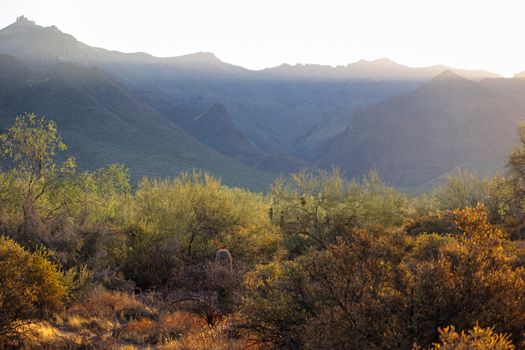 Photo: Papillon One / Pexels
Navigating the Diverse Regions of Arizona for Land Purchases
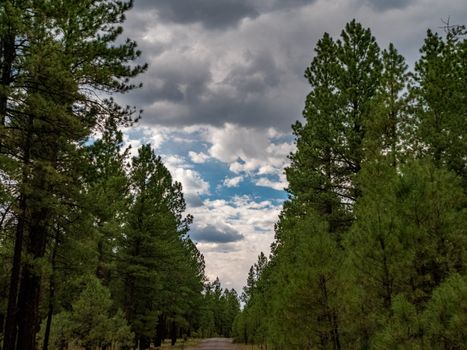 Photo: Strange Happenings / Pexels
Crucial Due Diligence When Buying Land in Arizona
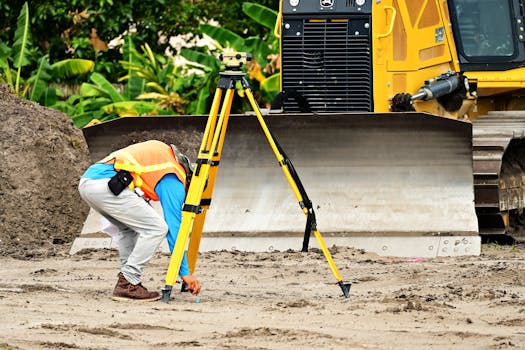 Photo: Nelson Axigoth / Pexels
Tips for Successful Arizona Land Acquisition & Common Pitfalls to Avoid
 Photo: Ron Lach / Pexels
Comparison
| Feature | Desert Land (Central/South) | Mountain Land (Northern) | Riverfront Land (Western) |
|---|---|---|---|
| Climate | Hot summers, mild winters | Four seasons, snowy winters | Hot summers, mild winters |
| Vegetation | Cacti, scrub brush | Pines, aspens, evergreens | Desert, riparian growth |
| Water Access | Often well-dependent, municipal near cities | Wells, some municipal | Colorado River access, wells |
| Development Cost | Can be moderate, utility extensions | Higher due to terrain, shorter season | Moderate, flood considerations |
| Primary Use | Residential, commercial, agriculture | Recreational, residential, retreat | Recreational, seasonal homes |
| Views | Panoramic desert vistas | Forests, mountain peaks | Water, desert, rock formations |
| Accessibility | Generally good, paved roads | Can be challenging, unpaved roads | Good near major waterways |
What Readers Say
"We found the perfect 5-acre lot near Cave Creek through this guide. The insights on water rights and zoning were incredibly helpful, saving us countless hours of research. Our dream custom home is now becoming a reality!"
Sarah J. · Phoenix, AZ"As an investor, I appreciated the detailed breakdown of regional opportunities. I used the information to acquire a promising parcel in Northern Arizona that is already appreciating. Excellent resource for anyone looking at land for sale in Arizona."
Mark D. · Flagstaff, AZ"The due diligence section was a lifesaver! It highlighted critical questions I hadn't even considered regarding utility access for my rural property. I successfully negotiated a better deal thanks to this knowledge."
Emily R. · Tucson, AZ"Good information, though some of the financing options felt a bit general. Still, the regional comparisons were spot on and helped me narrow down my search for agricultural land in western Arizona. A solid starting point."
Carlos M. · Yuma, AZ"I was looking for a recreational plot, and this guide helped me understand the differences between desert and mountain land. Ended up with a fantastic parcel near Payson for weekend getaways. Highly recommended!"
Jessica L. · Scottsdale, AZFrequently Asked Questions
What are the key factors to consider when buying land for sale in Arizona?
The most crucial factors include water availability and rights, zoning regulations for your intended use, access to utilities (electricity, septic/sewer), legal access to the property, and potential environmental concerns like floodplains or wildfire risk. Thorough due diligence in these areas will prevent future issues and unexpected costs.
Is it difficult to get water rights for undeveloped land in Arizona?
Water rights in Arizona are complex and depend heavily on the region and the parcel's history. In some areas, municipal water is available. In others, you may need to drill a well, which requires permits and can be costly and uncertain. Always verify water availability and rights with local authorities or a water rights expert before purchase.
How do I find out about zoning restrictions for a specific parcel of land?
To determine zoning restrictions, you should contact the planning and zoning department of the county or city where the land is located. They can provide detailed information on permitted uses, setbacks, building codes, and any development plans for the area that might affect your property.
What is the typical cost per acre for land in Arizona?
The cost per acre for land in Arizona varies dramatically based on location, proximity to urban centers, accessibility, water availability, zoning, and topography. Remote desert land might be hundreds of dollars per acre, while prime development land near Phoenix or a mountain lot in Flagstaff could be tens or even hundreds of thousands per acre. Research comparable sales in the specific area you're interested in.
How does buying raw land differ from buying land with an existing home in Arizona?
Buying raw land typically involves more extensive due diligence regarding utilities, water, and zoning, as these are not established. Financing can also be more challenging, as traditional mortgages are less common for raw land. There are no existing structures to inspect, shifting focus to the land's potential and suitability for development, rather than current condition.
Who should consider purchasing land for sale in Arizona?
Individuals looking to build a custom home, investors seeking long-term appreciation, developers planning residential or commercial projects, those interested in agricultural ventures, or people desiring a recreational retreat or off-grid living experience will find Arizona's diverse land market appealing. It suits those with a clear vision and a readiness for due diligence.
What are the risks associated with buying remote or undeveloped land?
Risks include lack of immediate utility access (leading to high extension costs), difficult or non-existent legal access, potential environmental hazards (e.g., wildfire, flood), limited resale market, and the absence of established infrastructure. Thorough research and expert consultation are crucial to mitigate these risks.
What is the outlook for land values in Arizona?
The outlook for land values in Arizona remains generally positive, driven by sustained population growth, a strong economy, and ongoing demand for housing and commercial development. While market fluctuations can occur, Arizona's fundamental attractiveness and development potential suggest continued appreciation, especially in and around growth corridors.
Ready to turn your vision into reality? Explore the vast opportunities in land for sale in Arizona. Connect with expert brokers today to find the perfect parcel that meets your unique needs and investment goals.