✓ Staged homes sell 73% faster than un-staged homes.
✓ Professional staging can increase a home's sale price by 1-5% or more.
✓ The living room, master bedroom, and kitchen are the most important rooms to stage.
✓ Decluttering and depersonalizing are the foundational steps of successful staging.
How It Works
1
Declutter and Depersonalize
Remove excess items, personal photos, and memorabilia to create a neutral, spacious environment. This allows potential buyers to envision themselves in the home.
2
Clean and Repair Thoroughly
Deep clean every surface, including windows and floors, and address minor repairs like leaky faucets or chipped paint. A well-maintained home signals care and value.
3
Enhance Curb Appeal
Make a strong first impression with a tidy yard, fresh landscaping, and a welcoming entryway. This sets a positive tone before buyers even step inside.
4
Optimize Layout and Lighting
Arrange furniture to highlight space and flow, and maximize natural and artificial light. Proper lighting makes rooms feel larger and more inviting.
The Psychology Behind Successful Home Staging
Photo: Elias Storm / Pexels
Understanding how to stage a house for sale isn't just about making it look pretty; it's about leveraging psychology to create an emotional connection with potential buyers. When a buyer walks into a home, they're not just evaluating square footage or the number of bathrooms; they're imagining their future life within those walls. A well-staged home taps into this emotional response by presenting a lifestyle rather than just a structure. It eliminates distractions, highlights key features, and allows buyers to project themselves into the space without being confronted by the current owner's personal taste or clutter. Think of it as crafting a neutral, aspirational canvas. Buyers spend mere minutes making a first impression, and during that crucial time, their subconscious is working overtime. They are looking for cleanliness, space, light, and a sense of calm. A cluttered, dated, or overly personalized home can trigger negative associations, making it harder for buyers to see its true potential. Conversely, a thoughtfully staged home feels welcoming, well-maintained, and move-in ready. This psychological advantage often translates into quicker sales and higher offers because buyers are less likely to nitpick minor flaws when they're captivated by the overall feeling of the home. They perceive greater value and are more willing to pay for it. Furthermore, in today's digital age, most home searches begin online. High-quality listing photos of a staged home are paramount. These photos are the first point of contact for many buyers, and they need to be compelling enough to entice them to schedule a viewing. A professional stager understands how to arrange furniture, choose decor, and optimize lighting to make every room photograph beautifully, ensuring your online presence is as impactful as your in-person showings. This initial visual appeal is critical in a competitive market, drawing more interest and ultimately more potential buyers through your door. The investment in staging often yields a significant return, not just in sale price but also in reducing the time your home spends on the market. It shifts the buyer's focus from potential problems to perceived value and immediate comfort, which is a powerful selling tool. For more insights on the real estate market, consider exploring current real estate trends.
Decluttering and Depersonalizing: The Foundation of Staging
Photo: RDNE Stock project / Pexels
Before any aesthetic enhancements can begin, the crucial steps of decluttering and depersonalizing must be meticulously completed. These aren't just suggestions; they are the absolute bedrock of how to stage a house for sale effectively. First, decluttering involves removing any non-essential items from every room, closet, and surface. This means emptying half of your closets and drawers, packing away excess books, knick-knacks, and electronics. The goal is to create an illusion of spaciousness and ample storage. Buyers are often looking for homes with generous storage, and if your closets are overflowing, it sends the opposite message. Consider renting a storage unit for items you don't need during the selling period. This also gives you a head start on packing for your move. Every surface should be as clear as possible, leaving only a few carefully selected decorative items. This allows the architectural features of your home to shine through, rather than being obscured by personal belongings. Next, depersonalization is about removing any items that scream "you" to potential buyers. This includes family photos, personal collections (e.g., memorabilia, unique artworks), religious items, and highly specific decor. While these items make your house a home for you, they can prevent buyers from envisioning it as their own. When a buyer sees your family photos, they are reminded that they are in someone else's home, which can create a psychological barrier. The aim is to create a neutral, inviting space that appeals to the broadest possible audience. Think of high-end hotel rooms – they are beautifully decorated but are devoid of personal touches, making them universally appealing. Replace personal items with neutral art, mirrors, or simple, tasteful decor that enhances the room without defining it. This process also extends to removing pet items like food bowls, litter boxes, and excessive pet toys, as not all buyers are pet owners, and some may have allergies or aversions. Even if your home is impeccably clean, the presence of pet items can suggest odors or cleanliness issues to a sensitive buyer. By committing fully to decluttering and depersonalizing, you are creating a blank canvas that empowers buyers to imagine their own lives unfolding within your property, making it significantly easier for them to fall in love with the house and make an offer.
Maximizing Curb Appeal and First Impressions
Photo: Pixabay / Pexels
The exterior of your home is the first thing potential buyers see, both in online listings and during in-person visits. Therefore, maximizing curb appeal is a non-negotiable step in how to stage a house for sale. A strong first impression can significantly influence a buyer's perception of the entire property, often setting the tone for their emotional engagement even before they step inside. Start with the basics: a meticulously maintained lawn. This means mowing, edging, and weeding regularly. Consider adding fresh mulch to flower beds for a clean, polished look. Prune overgrown shrubs and trees that might obscure windows or the entryway. A well-manicured landscape signals that the home has been cared for, implying that the interior is likely just as well-maintained. The front door is a focal point. A fresh coat of paint in a welcoming, complementary color can make a dramatic difference. Ensure the hardware is clean and shiny, and consider adding a new, inviting doormat. Potted plants or flowers near the entrance can add a touch of warmth and color. Beyond landscaping, assess the condition of your home's exterior. Power wash siding, pathways, and the driveway to remove dirt, grime, and cobwebs. Clean all windows, inside and out, as sparkling windows enhance natural light and improve overall appearance. Check for any minor repairs that might be needed, such as loose shutters, broken fence pickets, or peeling paint. These small details can collectively give an impression of neglect if left unaddressed. Even the house numbers and mailbox should be clean and clearly visible. If your home has an outdoor seating area, like a porch or patio, stage it with clean, comfortable furniture and perhaps a few decorative pillows or a throw. This helps buyers envision themselves relaxing and enjoying the outdoor space. Remember, buyers are not just purchasing a house; they are buying a lifestyle. A beautiful exterior hints at the pleasant lifestyle they could enjoy. Investing time and effort into curb appeal is one of the most cost-effective ways to attract buyers and make your listing stand out in a competitive market, creating an immediate positive connection that encourages them to explore further. For more on preparing your home for sale, see our guide on home selling strategies.
Essential Staging Tips & Common Mistakes to Avoid
When learning how to stage a house for sale, certain principles are universal, while avoiding common pitfalls can save you time and money. Here are some essential tips and mistakes to steer clear of:
**Essential Staging Tips:**
* **Focus on Key Rooms:** Prioritize staging the living room, master bedroom, and kitchen. These rooms have the biggest emotional impact on buyers.
* **Embrace Neutral Colors:** Paint walls in light, neutral tones like beige, gray, or off-white. These colors make rooms feel larger, brighter, and appeal to a wider audience.
* **Optimize Lighting:** Maximize natural light by opening curtains and blinds. Add lamps to brighten dark corners and ensure all light fixtures have working bulbs of the same color temperature.
* **Define Spaces:** Even in open-concept homes, use furniture arrangement to define distinct areas (e.g., a reading nook, a dining zone). This helps buyers understand how to use the space.
* **Add Strategic Accessories:** Use a few well-chosen accessories like fresh flowers, tasteful throw pillows, or a decorative bowl of fruit to add warmth and elegance without clutter.
* **Ensure Impeccable Cleanliness:** A sparkling clean home is non-negotiable. Hire professional cleaners if necessary, paying special attention to bathrooms and kitchens.
* **Address Odors:** Eliminate pet odors, cooking smells, and mustiness. Use air fresheners or diffusers with subtle, universally appealing scents like citrus or linen.
**Common Staging Mistakes to Avoid:**
* **Over-Personalizing:** As discussed, too many family photos or personal collections can deter buyers. Keep it neutral.
* **Ignoring Minor Repairs:** Leaky faucets, chipped paint, or sticky doors signal neglect and can lead buyers to assume larger problems exist.
* **Leaving Pets Visible:** While you love your pets, not all buyers do. Remove pet dishes, beds, and toys during showings.
* **Using Too Much Furniture:** Over-furnishing a room makes it feel smaller and cramped. Remove excess pieces to enhance flow and space.
* **Outdated Decor:** Keep decor current and appealing. That floral sofa from the 80s might be comfortable, but it won't help your home sell.
* **Forgetting Curb Appeal:** A stunning interior won't compensate for a neglected exterior. First impressions matter.
* **Going Overboard with Scents:** While pleasant scents are good, overpowering air fresheners can make buyers suspicious that you're trying to mask something.
* **Neglecting Storage Areas:** Buyers open closets and cabinets. Ensure they are organized, decluttered, and appear spacious, not overflowing.
Comparison
Feature
Professional Staging
DIY Staging
No Staging
Cost
High (1-3% of home value)
Low (materials only)
None
Time on Market
Significantly reduced
Moderately reduced
Potentially longer
Sale Price Increase
1-5% or more
0-2%
None/Potential decrease
Expert Eye
✓
✗
✗
Stress Level
Lower (outsourced)
Higher (self-managed)
Moderate
What Readers Say
★★★★★
"Following these staging tips helped us sell our house in just one weekend! The advice on decluttering and making small repairs was incredibly valuable. We received multiple offers above asking price."
Sarah J. · Austin, TX
★★★★★
"I was skeptical about staging, but this guide on how to stage a house for sale convinced me. We spent a few hundred dollars on paint and decor, and our home looked amazing. It sold in under two weeks."
Mark D. · Miami, FL
★★★★★
"The detailed instructions transformed our cluttered home into an inviting space. We sold our condo for $15,000 more than we anticipated, directly attributable to the staging efforts."
Emily R. · Denver, CO
★★★★★
"Most of the advice was spot-on and very helpful. I wish there was a bit more on choosing specific furniture for challenging layouts, but overall, it guided me through the process effectively."
David L. · Seattle, WA
★★★★★
"As a first-time seller, I felt overwhelmed. This guide broke down how to stage a house for sale into manageable steps, from curb appeal to depersonalization. It made the entire process much less stressful and very successful."
Jessica M. · Phoenix, AZ
Frequently Asked Questions
What is the most important room to stage when selling a house?
While all rooms benefit from staging, the living room, master bedroom, and kitchen are generally considered the most important. These are the spaces where buyers spend the most time and form strong emotional connections, making them priorities for strategic staging efforts.
Is professional home staging worth the cost?
For many sellers, professional home staging is a worthwhile investment. Staged homes often sell faster and for a higher price than un-staged homes, with a potential return on investment of several hundred percent. It removes the guesswork and leverages expert design to appeal to a broad buyer demographic.
How long does it typically take to stage a house for sale?
The time it takes to stage a house can vary greatly depending on the size of the home, the amount of decluttering needed, and whether professional stagers are hired. A DIY staging project could take a few days to a few weeks, while professional staging can be completed in a few days once the decluttering is done.
How much does home staging typically cost in the US?
The cost of home staging in the US can range from a few hundred dollars for a consultation and minor accessory rental to several thousand dollars for full staging of an entire home with rented furniture. It typically averages between 0.5% and 1.5% of the home's asking price, but can yield a much higher return.
How does staging differ from interior decorating?
Interior decorating focuses on creating a personalized space that reflects the homeowner's tastes and lifestyle. Staging, however, is about depersonalizing and neutralizing a space to appeal to the widest possible range of potential buyers, making it easier for them to envision themselves living there and encouraging a quicker, more profitable sale.
Who should consider staging their home for sale?
Anyone looking to sell their home for the best possible price and in the shortest amount of time should consider staging. This includes homeowners selling in competitive markets, those with vacant homes, or properties that have been on the market for an extended period without success.
Are there any risks associated with home staging?
The primary 'risk' associated with home staging is the initial investment cost. However, this is usually offset by the potential for a higher sale price and faster sale. Poorly executed DIY staging that doesn't follow best practices could also be ineffective, but following expert advice minimizes this risk.
What are the future trends in home staging?
Future trends in home staging include increased use of virtual staging for online listings, a focus on smart home technology integration to showcase modern living, and greater emphasis on sustainable and eco-friendly staging elements. Personalization is out; broad appeal and digital presentation are in.
Ready to transform your property and attract top dollar? By implementing these proven strategies on how to stage a house for sale, you're not just selling a house; you're selling a dream. Start staging today and prepare to impress buyers and secure the best possible offer for your home.

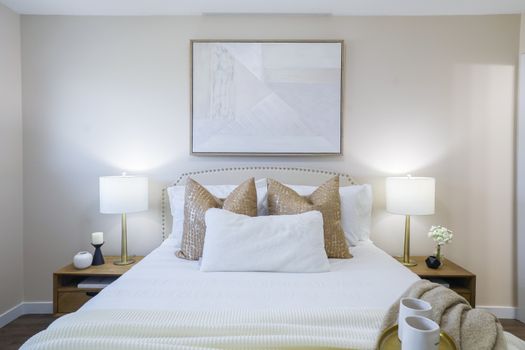 Photo: Elias Storm / Pexels
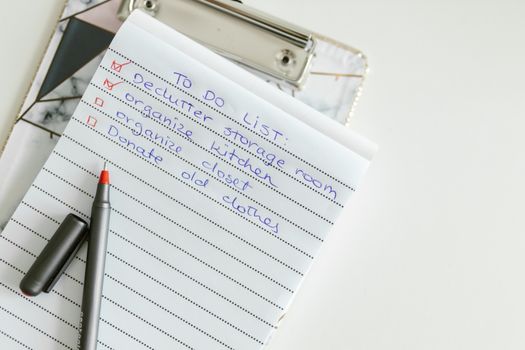 Photo: RDNE Stock project / Pexels
 Photo: Pixabay / Pexels