✓ You must be at least 18 years old and have a high school diploma or equivalent.
✓ A 63-hour pre-licensing course is mandatory before taking the state exam.
✓ Fingerprinting and a background check are required for all applicants.
✓ The state exam has 100 questions, and you need a score of 75% or higher to pass.
How It Works
1
Meet Eligibility Requirements
Ensure you are at least 18 years old, have a high school diploma, and possess a Social Security number. These are foundational requirements before you can even begin.
2
Complete Pre-Licensing Education
Enroll in and successfully complete a state-approved 63-hour sales associate pre-licensing course. This course covers essential real estate principles, practices, and Florida law.
3
Pass the State Exam
After completing your course, apply for and pass the Florida Real Estate Sales Associate examination. This is a crucial step that tests your knowledge of real estate concepts and regulations.
4
Find a Sponsoring Broker
Once you pass the exam, you must find a licensed real estate broker to actively sponsor your license. Your license will be 'inactive' until a broker activates it on your behalf.
Understanding Florida's Real Estate License Requirements
Photo: RDNE Stock project / Pexels
Embarking on a career in Florida real estate is an exciting prospect, given the state's dynamic housing market and constant influx of new residents. However, before you can start helping clients buy or sell properties, you must navigate a clear set of requirements established by the Florida Department of Business and Professional Regulation (DBPR) and the Florida Real Estate Commission (FREC). These regulations are designed to ensure that all licensed professionals possess the necessary knowledge, ethics, and background to protect consumers and maintain the integrity of the industry.
Firstly, age is a fundamental criterion: you must be at least 18 years old. This ensures a certain level of maturity and legal capacity to enter into contracts and represent clients effectively. Next, you need to possess a high school diploma or its equivalent. This requirement confirms a foundational level of education, which is crucial for understanding complex real estate concepts, legal documents, and communication with diverse clientele.
Beyond these basic demographic and educational prerequisites, a Social Security number is mandatory. This is primarily for identification purposes and to facilitate the background check process, which is a critical component of obtaining your license. The state requires a thorough background check to assess your moral character and ensure you haven't engaged in any conduct that would disqualify you from holding a professional license. This includes submitting fingerprints for a criminal history check. Any past offenses, especially those related to fraud, theft, or moral turpitude, could potentially hinder your application. It's vital to be transparent about any such history during your application, as failing to disclose relevant information can lead to denial or even future revocation of your license.
Furthermore, while not a direct requirement for the initial application, proficiency in English is implicitly necessary. Real estate transactions involve intricate legal documents, negotiations, and clear communication with clients, lenders, and other professionals. Therefore, a strong grasp of the English language is essential for success and compliance. Understanding these initial eligibility factors is the first and most crucial step in your journey to becoming a licensed real estate professional in Florida. It's recommended to review the official DBPR website for the most up-to-date and detailed requirements, as these can occasionally be subject to change. For more information on the broader career landscape, explore the real estate industry.
The Pre-Licensing Education and State Exam Process
Photo: Alex Dos Santos / Pexels
Once you've confirmed your eligibility, the next significant hurdle is completing the mandatory pre-licensing education. Florida law dictates that all prospective sales associates must complete a 63-hour pre-licensing course from a FREC-approved provider. This course is comprehensive, covering a wide array of topics essential for real estate practice. You'll delve into subjects such as Florida real estate law, property rights, contracts, agency relationships, valuation, financing, and ethical practices. The goal is to equip you with a foundational understanding of the industry, preparing you not just for the exam, but for real-world scenarios you'll encounter as a professional.
Approved courses are offered in various formats, including traditional classroom settings, live online instruction, and self-paced online modules. Choosing the right format depends on your learning style and schedule. Many candidates opt for online courses due to their flexibility, allowing them to study at their own pace while balancing other commitments. Regardless of the format, the course culminates in a final exam, which you must pass with a score of 70% or higher to receive your course completion certificate. This certificate is a prerequisite for applying to take the state exam.
Upon successful completion of your 63-hour course, you'll need to apply to the DBPR to take the Florida Real Estate Sales Associate Examination. This application involves submitting your course completion certificate, proof of fingerprinting, and answering background questions. Once your application is approved, you'll receive an Authorization to Test. The state exam itself is a rigorous test, consisting of 100 multiple-choice questions, with 45 questions focused on general real estate principles and practices, and 45 questions on Florida-specific real estate law. The remaining 10 questions are typically pre-test questions that do not count towards your score. You'll have 3.5 hours to complete the exam. A passing score is 75% or higher.
Passing the state exam can be challenging, and many individuals find themselves needing multiple attempts. Don't be discouraged if you don't pass on your first try; it's a common experience. Focused study, utilizing practice exams, and reviewing areas where you struggled are key strategies for success. Many pre-licensing course providers also offer exam prep materials or crash courses specifically designed to help you pass the state exam. Remember, persistence and thorough preparation are your best allies in this critical phase of obtaining your license.
Activating Your License and Launching Your Career
Photo: Thirdman / Pexels
Congratulations, you've passed the state exam! This is a significant milestone, but it's important to understand that your license isn't fully active yet. Once you've successfully cleared the state examination, your license status will be 'inactive.' To begin practicing real estate and earning commissions, you must find a licensed real estate broker to 'activate' your license. This step is crucial because in Florida, sales associates cannot operate independently; they must work under the supervision of a licensed broker. The broker assumes responsibility for your actions and ensures you adhere to all real estate laws and ethical guidelines.
Finding the right sponsoring broker is a critical decision that will profoundly impact your early career. You should consider several factors when evaluating potential brokerages. Look for a broker who offers comprehensive training and mentorship, especially if you're new to the industry. Evaluate their commission split structure, which dictates how your earnings will be divided between you and the brokerage. Consider the brokerage's culture, their market niche (e.g., residential, commercial, luxury), and the resources they provide, such as office space, marketing support, and technological tools. Interview multiple brokers, ask insightful questions, and choose a brokerage that aligns with your career goals and values. Remember, this isn't just about getting your license activated; it's about building a foundation for a successful career. Understanding different brokerage models can be very helpful in this process.
Once you've found a sponsoring broker, they will submit the necessary paperwork to the DBPR to activate your license. This process typically involves filling out a form that associates your license with their brokerage. After this submission, your license will officially become 'active,' and you can begin practicing real estate. However, your education doesn't stop there. Florida requires all sales associates to complete 14 hours of continuing education every two years to maintain their license. This includes a 3-hour core law course and 11 hours of specialty education. The continuing education ensures that licensees stay current with changes in real estate law, market trends, and best practices. Your first renewal cycle will also require a 45-hour post-licensing course within the first two years of licensure. Failing to complete this post-licensing course will result in your license becoming null and void, requiring you to start the entire licensing process over again. Therefore, proactive planning for your post-licensing and continuing education requirements is essential for long-term success in Florida real estate.
Essential Tips for Success and Common Pitfalls to Avoid
Photo: https://kaboompics.com/ / Pexels
Embarking on a new career path, especially one as dynamic as real estate, comes with its share of challenges and opportunities. To maximize your chances of success and avoid common pitfalls, here are some essential tips:
* **Choose the Right Pre-Licensing School:** Not all schools are created equal. Research reviews, compare curriculum, and consider the support offered (e.g., exam prep, instructor availability). A good school can make a significant difference in your understanding and retention of complex material.
* **Create a Dedicated Study Schedule:** The 63-hour course and subsequent state exam require serious commitment. Treat your studies like a job, setting aside specific times each day or week to review material, take notes, and complete practice quizzes. Consistency is key.
* **Utilize All Available Resources:** Beyond your course materials, seek out additional study guides, flashcards, and online forums. Practice exams are invaluable for familiarizing yourself with the test format and identifying areas where you need more work.
* **Network Early and Often:** Even before you're licensed, attend local real estate events, connect with agents on LinkedIn, and explore broker open houses. Building relationships early can open doors to mentorship and future opportunities.
* **Budget for Expenses:** Understand that getting licensed involves costs: course fees, exam fees, fingerprinting, and potentially association dues. Plan your finances accordingly to avoid unexpected hurdles.
* **Don't Rush the Brokerage Decision:** Your first brokerage can significantly shape your career. Take your time, interview multiple brokers, and ask about their training programs, support systems, and commission structures. A supportive environment is crucial for new agents.
* **Understand the Post-Licensing Requirement:** This is a major pitfall for many new agents. The 45-hour post-licensing course within your first two years is non-negotiable. Mark your calendar and ensure you complete it well before your deadline to avoid your license becoming null and void.
* **Embrace Continuous Learning:** The real estate market and regulations are constantly evolving. Commit to ongoing education, not just for mandatory renewals, but to stay competitive and knowledgeable. Read industry publications, attend seminars, and seek out specialized training.
* **Build a Strong Sphere of Influence:** Your initial business will often come from people you know. Let your friends, family, and acquaintances know you're entering real estate. Offer to be a resource for their questions, even if they're not ready to buy or sell immediately.
Avoiding complacency and proactively planning for each stage of your licensing journey and early career will set you up for long-term success in Florida's competitive real estate market.
Comparison
Feature
Sales Associate (Initial License)
Broker (Advanced License)
Broker Associate (Broker working under another Broker)
Pre-Licensing Education
63-hour course
72-hour course (after 24 months active experience)
Same as Broker
Experience Required
None
24 months active experience as a sales associate
Same as Broker
State Exam
Sales Associate Exam
Broker Exam
Broker Exam
Can Operate Independently
✗
✓
✗
Post-Licensing Education
45-hour course (first renewal)
60-hour course (first renewal)
Same as Broker
What Readers Say
★★★★★
"This guide was incredibly helpful in breaking down how to get a real estate license in Florida. The step-by-step approach made a daunting process feel manageable, especially the tips on choosing a good pre-licensing school."
Sarah J. · Orlando, FL
★★★★★
"I was overwhelmed by all the requirements, but this article laid out everything clearly. The section on finding a sponsoring broker was particularly insightful and helped me ask the right questions during my interviews."
Mark D. · Miami, FL
★★★★★
"Thanks to the detailed advice on preparing for the state exam, I passed on my first attempt! Understanding the structure and what to focus on was a game-changer for getting my real estate license in Florida."
Jessica L. · Tampa, FL
★★★★★
"The information was comprehensive, though I wish there was a bit more detail on the cost breakdown for each step. Still, a fantastic resource for anyone looking into how to get a real estate license in Florida."
David R. · Jacksonville, FL
★★★★★
"As someone transitioning careers, the 'Common Pitfalls' section was invaluable. It helped me avoid mistakes other new agents make and plan my post-licensing education more effectively for my Florida real estate license."
Emily K. · Sarasota, FL
Frequently Asked Questions
What are the basic eligibility requirements to get a real estate license in Florida?
To be eligible, you must be at least 18 years old, possess a high school diploma or its equivalent, and have a Social Security number. You'll also need to pass a background check and submit fingerprints as part of the application process.
How long does it typically take to get a real estate license in Florida?
The timeline can vary, but generally, it takes 2-4 months. This includes completing the 63-hour pre-licensing course (which can be done in a few weeks to a couple of months), applying to the DBPR, and scheduling and passing the state exam. Finding a sponsoring broker can add a bit more time.
What is the passing score for the Florida Real Estate Sales Associate exam?
You must achieve a score of 75% or higher on the Florida Real Estate Sales Associate examination to pass. The exam consists of 100 multiple-choice questions, and you are given 3.5 hours to complete it.
How much does it cost to get a real estate license in Florida?
Costs typically range from $400 to $700, including the 63-hour pre-licensing course (around $100-$300), application fee ($83.75), state exam fee ($36.75 per attempt), and fingerprinting ($50-$80). These figures are estimates and can vary by provider and potential re-examination fees.
Do I need to find a broker before taking the state exam?
No, you do not need to find a broker before taking the state exam. You will need to pass the exam first. Once you pass, your license will be inactive, and you must then find a licensed real estate broker to sponsor and activate your license before you can legally practice real estate.
Who should consider getting a real estate license in Florida?
Anyone with a strong work ethic, excellent communication skills, a desire to help people, and an interest in the dynamic Florida real estate market should consider it. It's ideal for self-starters who thrive in an independent, commission-based environment with significant earning potential.
What happens if I fail the state real estate exam?
If you fail the state exam, you can retake it. There is no limit to the number of times you can attempt the exam, but you must pay the exam fee each time. It's recommended to review your weaker areas and consider additional exam prep before retesting.
What are the career prospects for a new real estate agent in Florida?
Florida offers robust career prospects for real estate agents due to its growing population and tourism. New agents can specialize in residential sales, commercial real estate, property management, or leasing. Success often depends on networking, marketing, and continuous education to adapt to market trends.
Ready to turn your ambition into a thriving career in the Sunshine State? Follow this comprehensive guide on how to get a real estate license in Florida and take the first step towards becoming a successful real estate professional today. Your future in Florida real estate awaits!

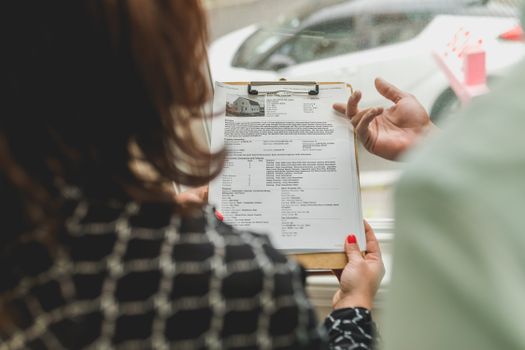 Photo: RDNE Stock project / Pexels
 Photo: Alex Dos Santos / Pexels
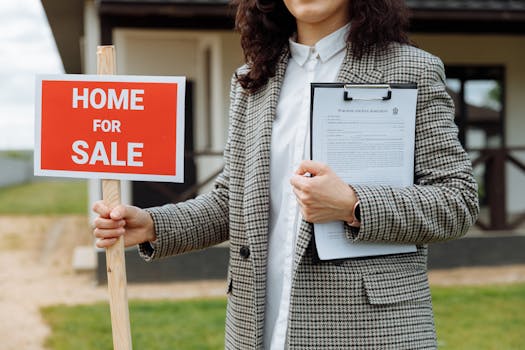 Photo: Thirdman / Pexels
 Photo: https://kaboompics.com/ / Pexels