How to Get Pre Approved for a Mortgage: Your Ultimate Guide
how to get pre approved for a mortgage

How to Get Pre Approved for a Mortgage: Your Ultimate Guide

Secure your financing before house hunting to gain a competitive edge and peace of mind.

Start Your Pre-Approval

Key Takeaways

  • ✓ Mortgage pre-approval is a formal commitment from a lender, not just a pre-qualification.
  • ✓ It typically involves a hard credit inquiry, which may slightly affect your credit score.
  • ✓ Pre-approval letters are usually valid for 60-90 days, requiring renewal if you haven't found a home.
  • ✓ Having a pre-approval strengthens your offer and shows sellers you're a serious buyer.

How It Works

1
Gather Your Financial Documents

Collect income statements, tax returns, bank statements, and credit history. This preparation streamlines the application process significantly.

2
Submit Your Application to Lenders

Apply with one or more lenders, providing all requested financial information. They will review your credit and financial health to assess your eligibility.

3
Receive Your Pre-Approval Letter

Upon approval, the lender issues a formal letter stating the maximum loan amount, interest rate, and terms. This letter is crucial for making offers.

4
Begin Your Home Search with Confidence

Use your pre-approval letter to guide your home search within your approved budget. Present it with offers to demonstrate your financial readiness.

Understanding Mortgage Pre-Approval vs. Pre-Qualification
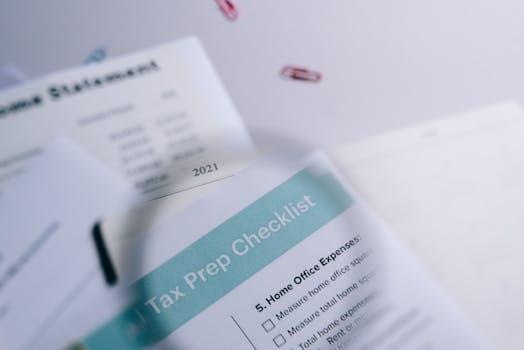
Close-up of tax preparation checklist and income statement with paperclips. Photo: Leeloo The First / Pexels
Before diving into the specifics of how to get pre approved for a mortgage, it's crucial to understand the fundamental difference between pre-qualification and pre-approval. While both terms sound similar and are often used interchangeably in casual conversation, they represent vastly different stages in the home buying process, carrying different levels of weight and commitment. Pre-qualification is a preliminary step, often a quick estimate of how much you might be able to borrow. It typically involves a brief discussion with a lender about your income, debts, and assets. You provide this information verbally, and the lender gives you a rough estimate without verifying any of the details. There's no credit check involved, or at most, a 'soft' credit inquiry that doesn't impact your credit score. A pre-qualification letter is largely informational and serves as a starting point for your home budget. It doesn't commit a lender to providing you with a loan, nor does it carry much weight with sellers. It's akin to window shopping – you're getting an idea of what you can afford, but no one is taking your intentions seriously yet. On the other hand, pre-approval is a much more rigorous and significant step. When you pursue how to get pre approved for a mortgage, you are essentially applying for a mortgage loan. This process involves a comprehensive review of your financial situation by a lender. You'll need to submit detailed documentation, including pay stubs, W-2 forms, tax returns, bank statements, and information about your debts and assets. The lender will perform a 'hard' credit inquiry, which will appear on your credit report and may slightly lower your credit score for a short period. Based on this thorough review, the lender will provide a formal letter stating the exact amount they are willing to lend you, often with a specified interest rate, contingent on the property appraising at or above the purchase price and no significant changes to your financial situation. This pre-approval letter is a conditional commitment from the lender, signaling to sellers and real estate agents that you are a serious, qualified buyer. It gives you a significant advantage in competitive markets, as sellers prefer offers from buyers who have already secured their financing. Understanding this distinction is the first vital step in successfully navigating the mortgage process and securing your dream home. For more insights into the broader home buying journey, consider reading our guide on navigating the real estate market.

The Essential Documents Needed for Mortgage Pre-Approval

Close-up of tax preparation checklist and income statement with paperclips. Photo: Leeloo The First / Pexels
To successfully navigate how to get pre approved for a mortgage, meticulous preparation of your financial documents is paramount. Lenders require a comprehensive snapshot of your financial health to assess your creditworthiness and ability to repay a loan. Gathering these documents beforehand will not only expedite the pre-approval process but also demonstrate your seriousness and organization to potential lenders. Here’s a detailed breakdown of the essential paperwork you'll need: **Proof of Income:** This is fundamental. Lenders need to verify your employment stability and income. You'll typically need your W-2 forms from the past two years, along with recent pay stubs (usually the last 30-60 days). If you are self-employed, prepare your federal tax returns for the past two years (including all schedules), along with profit and loss statements. Lenders will scrutinize your self-employment income more closely to ensure consistency and sustainability. Any other sources of income, such as alimony, child support, social security, or pension, will also require documentation. **Proof of Assets:** Lenders want to see that you have sufficient funds for a down payment and closing costs, as well as reserves for emergencies. Provide statements for all checking and savings accounts for the past two to three months. If you have investment accounts (stocks, bonds, mutual funds, retirement accounts like 401(k)s or IRAs), you'll need recent statements for these as well. Any large deposits that appear on your bank statements will need to be explained and sourced to prevent concerns about undisclosed liabilities or gifted funds without proper documentation. **Credit History and Debts:** While the lender will pull your credit report, it's a good idea to review your own credit report beforehand to identify and dispute any inaccuracies. You'll need to provide information on all existing debts, including credit card statements, auto loan statements, student loan statements, and any other outstanding loans. Lenders will calculate your debt-to-income (DTI) ratio, which is a critical factor in determining your borrowing capacity. A lower DTI ratio generally makes you a more attractive borrower. **Personal Identification:** You'll need valid identification, such as a driver's license or state ID, and your Social Security number. Sometimes, proof of residence (utility bills, lease agreements) might also be requested. **Other Documents:** Depending on your unique financial situation, a lender might request additional documents. For instance, if you've recently changed jobs, they might ask for a letter from your employer confirming your new salary and start date. If you're receiving gifted funds for a down payment, a gift letter from the donor stating that the money is not a loan will be required. Proactively preparing these documents will streamline your application and help you avoid delays, setting you up for success when you decide how to get pre approved for a mortgage.

Navigating the Pre-Approval Process: Step-by-Step Guide

A couple consults with a real estate agent in a modern indoor setting, reviewing property documents. Photo: Alena Darmel / Pexels
The process of how to get pre approved for a mortgage can seem daunting, but by breaking it down into manageable steps, you can navigate it efficiently and confidently. This structured approach will ensure you cover all necessary bases and present yourself as a strong candidate to lenders. **Step 1: Research and Choose Your Lender(s).** Don't just go with the first lender you find. Research different banks, credit unions, and mortgage brokers. Compare their interest rates, fees, customer service reviews, and the types of loan products they offer. While applying with multiple lenders within a short window (typically 14-45 days) will count as a single hard inquiry on your credit report for scoring purposes, it’s advisable to pick 2-3 strong contenders to avoid unnecessary inquiries. Look for lenders who are responsive, transparent, and have a good reputation for guiding first-time homebuyers or those with specific financial needs. Asking for recommendations from your real estate agent or friends can also be helpful. **Step 2: Complete the Mortgage Application.** Once you've selected a lender, you'll fill out a formal mortgage application. This application will ask for extensive personal and financial information, including your employment history, income, assets, debts, and residential history. Be as accurate and thorough as possible. Any discrepancies could lead to delays or even a denial later on. **Step 3: Provide All Required Documentation.** As detailed in the previous section, this is where you submit all your gathered financial documents. This includes W-2s, pay stubs, tax returns, bank statements, investment statements, and debt summaries. The lender's underwriting team will meticulously review these documents to verify your income, assets, and liabilities. Be prepared to answer follow-up questions or provide additional documentation if requested. Promptly responding to these requests can significantly speed up the process. **Step 4: Lender Performs Credit Check and Underwriting Review.** The lender will pull your credit report to assess your credit score and history. They will look for payment patterns, outstanding debts, and any derogatory marks. Simultaneously, the underwriting team will evaluate all the provided financial documents to determine your eligibility, calculate your debt-to-income ratio, and assess the overall risk. This is the most in-depth part of the process, where the lender determines the maximum loan amount they are willing to offer and under what terms. **Step 5: Receive Your Pre-Approval Letter.** If all goes well, the lender will issue a pre-approval letter. This document is a formal, conditional commitment from the lender. It will state the maximum loan amount you qualify for, the estimated interest rate (though this can fluctuate until you lock it in), and the loan program (e.g., FHA, VA, Conventional). The letter will also outline any conditions that must be met before final loan approval, such as a property appraisal. This letter is typically valid for 60 to 90 days. Should you exceed this period without finding a home, you’ll likely need to update your financial information and potentially undergo another credit check to renew the pre-approval. Having this letter in hand is a powerful tool in your home search, making your offers more attractive to sellers. For a deeper dive into financial planning for homeownership, explore resources on understanding mortgage rates.

Maximizing Your Chances: Tips for a Smooth Pre-Approval Process

A couple reviews paperwork at a kitchen table, embodying teamwork and collaboration. Photo: Ron Lach / Pexels
Securing a mortgage pre-approval can be a competitive edge in today's housing market. To ensure a smooth and successful experience when you decide how to get pre approved for a mortgage, consider these crucial tips: * **Maintain a Stable Financial Profile:** From the moment you decide to pursue homeownership until your loan closes, avoid making significant financial changes. This means refraining from changing jobs, especially to a lower-paying one or one in a different industry. Do not take on new debt, such as buying a new car, opening new credit cards, or making large purchases on existing credit. Any new debt can negatively impact your debt-to-income ratio, potentially disqualifying you or reducing your approved loan amount. Also, avoid making large, undocumented deposits into your bank accounts, as lenders will need to source these funds. * **Improve Your Credit Score:** A higher credit score translates to better interest rates and more favorable loan terms. Before applying for pre-approval, check your credit report for errors and dispute any inaccuracies. Pay down existing credit card balances to reduce your credit utilization ratio. Make all payments on time, every time. If your score isn't where you want it, take steps to improve it over several months before applying. * **Be Honest and Transparent with Your Lender:** Provide accurate and complete information on your application. Hiding debts or misrepresenting income can lead to serious issues down the line, including loan denial. Lenders conduct thorough checks, and inconsistencies will be flagged. Open communication builds trust and helps your lender guide you through the process more effectively. * **Understand Your Budget and Stick to It:** While a pre-approval letter tells you the maximum you can borrow, it doesn't necessarily mean you *should* borrow that much. Factor in other homeownership costs like property taxes, homeowner's insurance, potential HOA fees, and maintenance. Create a realistic budget that considers your lifestyle and financial goals. Borrowing less than your maximum pre-approval can give you more financial breathing room and reduce stress. * **Shop Around for Lenders:** As mentioned, apply to a few different lenders within a short timeframe. This allows you to compare offers without significantly impacting your credit score and ensures you get the best possible rates and terms. Different lenders have different underwriting standards and can offer varying rates based on your financial profile. * **Be Responsive to Lender Requests:** The pre-approval process often involves back-and-forth communication for additional documents or clarifications. Respond promptly to these requests to keep the process moving forward. Delays on your part can prolong the pre-approval timeline. * **Get Pre-Approved Before House Hunting:** This is perhaps the most crucial tip. Having a pre-approval letter in hand before you start seriously looking at homes makes you a much stronger buyer. It demonstrates to sellers that you are financially capable and serious, which can be a deciding factor in competitive bidding situations. It also narrows down your home search to properties within your approved budget, saving you time and preventing disappointment. By following these tips, you can significantly enhance your chances of a smooth and successful pre-approval process, paving the way for a confident home buying journey.

Comparison

FeatureMortgage Pre-ApprovalMortgage Pre-QualificationNo Pre-Approval
Credit CheckHard inquiry (impacts score)Soft inquiry or noneNone
Document VerificationExtensive (income, assets, debts)Self-reported, no verificationNone
Lender CommitmentConditional commitment letterEstimate, no commitmentNo commitment
Seller PerceptionStrong, serious buyerWeak, informal estimateVery weak, high risk
Validity Period60-90 days typicallyNo formal validityN/A
Benefit to BuyerConfidence, competitive edgeRough budget ideaLimited options, less credibility

What Readers Say

"Learning how to get pre approved for a mortgage was a game-changer for us. The detailed guide helped us gather everything, and we got our letter in less than a week, making our first offer stand out immediately."

Sarah J. · Austin, TX

"I was overwhelmed by the process, but this article broke down how to get pre approved for a mortgage into simple steps. It made me feel much more confident approaching lenders, and I secured a great rate."

Mark D. · Orlando, FL

"Thanks to understanding how to get pre approved for a mortgage, we beat out multiple offers in a hot market. Our real estate agent said our pre-approval letter was the deciding factor for the seller."

Jessica L. · Denver, CO

"The information on documents needed for how to get pre approved for a mortgage was invaluable. While it took a bit longer than expected to gather everything, having it all ready certainly sped up the lender's review process."

Kevin R. · Phoenix, AZ

"Even with a slightly complex income situation, the advice on how to get pre approved for a mortgage helped me prepare thoroughly. The lender appreciated my organization, and the process was surprisingly smooth."

Emily S. · Seattle, WA

Frequently Asked Questions

What is the primary benefit of getting pre-approved for a mortgage?

The primary benefit of mortgage pre-approval is gaining a clear understanding of how much home you can truly afford, which streamlines your search. Crucially, it positions you as a serious and qualified buyer, giving you a significant advantage in competitive real estate markets by making your offers more appealing to sellers.

Will getting pre-approved hurt my credit score?

Yes, getting pre-approved typically involves a 'hard' credit inquiry, which can slightly lower your credit score by a few points. However, credit scoring models usually treat multiple mortgage inquiries within a short period (typically 14-45 days) as a single inquiry, so shopping around with a few lenders won't cause significant damage.

How long does mortgage pre-approval last?

A mortgage pre-approval letter is generally valid for 60 to 90 days. If you haven't found a home or closed on one within that timeframe, you'll typically need to refresh your financial information and potentially undergo another credit check to renew the pre-approval.

What fees are associated with getting pre-approved for a mortgage?

Generally, there are no direct fees charged by lenders specifically for the pre-approval process itself. However, be aware that when you proceed with a full mortgage application after pre-approval, you will encounter various closing costs and fees, which are distinct from the pre-approval stage.

Is pre-approval the same as final loan approval?

No, pre-approval is not the same as final loan approval. Pre-approval is a conditional commitment based on your financial information, while final loan approval occurs after the property has been appraised, the title search is complete, and all underwriting conditions have been fully met and verified by the lender.

Who should get pre-approved for a mortgage?

Anyone serious about buying a home should get pre-approved for a mortgage. This includes first-time homebuyers, those looking to upgrade or downsize, and even investors. It's a foundational step that provides clarity, confidence, and a competitive edge in the home-buying process.

What if my financial situation changes after pre-approval?

It is crucial to inform your lender immediately if your financial situation changes after receiving pre-approval, such as a job loss, new debt, or a significant change in income. These changes can impact your eligibility and the terms of your loan, potentially leading to issues down the line.

Can I get pre-approved with bad credit?

While challenging, it's not impossible to get pre-approved with less-than-perfect credit. Some lenders specialize in FHA or VA loans, which have more flexible credit requirements. However, you may face higher interest rates or stricter terms. It's often advisable to improve your credit score before applying for the best outcomes.

Understanding how to get pre approved for a mortgage is your first, most powerful step towards homeownership. Don't leave your dream home to chance – secure your financial footing, gain a competitive edge, and embark on your home search with unwavering confidence. Start your pre-approval process today and unlock the doors to your future.

Topics: how to get pre approved for a mortgagemortgage pre-approval processmortgage application tipshome buying processreal estate financing
Leo List

DK Escorts LU Escorts AT Escorts SE Escorts FI Escorts CH Escorts DE Escorts HR Escorts IE Escorts GR Escorts CZ Escorts NO Escorts BE Escorts FR Escorts SI Escorts IL Escorts NL Escorts PL Escorts HU Escorts ES Escorts IT Escorts PT Escorts SK Escorts RO Escorts ZA Escorts UY Escorts US Escorts UK Escorts NZ Escorts AU Escorts
Brampton weed
Adultwork EstrelaBet Vai de Bet R7 Bet Betão Galera Bet Rainbet Bet9ja Shop SportyBet BetKing Sisal Loto Foot Hollywoodbets YesPlay Odibets RushBet Jugabet BetWarrior BetCity MSport betPawa Fortebet