✓ Requirements vary by state, but generally include age, education, and background checks.
✓ Pre-licensing education is mandatory and typically ranges from 40 to 150 hours.
✓ The licensing exam is challenging, requiring thorough preparation and often multiple attempts.
✓ Costs can range from $500 to $1,500+ including education, exam, and application fees.
How It Works
1
Meet Eligibility Requirements
Confirm you meet your state's minimum age (usually 18 or 19) and have a high school diploma or GED. Understand any residency or background check stipulations.
2
Complete Pre-Licensing Education
Enroll in an approved real estate school and complete the required hours of coursework. This curriculum covers foundational real estate principles, law, and practices.
3
Pass the State Licensing Exam
Schedule and pass both the national and state portions of the real estate exam. This comprehensive test assesses your knowledge of real estate concepts and regulations.
4
Apply for Your License & Join a Brokerage
Submit your application, fees, and any necessary documentation to your state's real estate commission. Once licensed, you must affiliate with a sponsoring broker to practice.
Understanding Real Estate License Requirements by State
Photo: Malcolm Garret / Pexels
Embarking on a career in real estate is an exciting prospect, offering flexibility, significant earning potential, and the satisfaction of helping people achieve their homeownership dreams. However, the path to becoming a licensed real estate agent isn't uniform across the United States. Each state, and sometimes even individual localities, sets its own specific requirements for obtaining a real estate license. Understanding these variations is the crucial first step in your journey. While there are common threads, such as minimum age and education, the specifics can differ significantly. Generally, you must be at least 18 or 19 years old, hold a high school diploma or its equivalent (GED), and be a legal resident of the U.S. or hold a valid work permit. Some states may also require you to be a resident of that specific state. A fundamental requirement across all states is the completion of a pre-licensing education course. The number of hours required for this course varies dramatically, ranging from as few as 40 hours in states like Florida to over 150 hours in states like Texas and Colorado. These courses cover essential topics such as real estate principles, practices, contracts, finance, and ethics, as well as state-specific real estate law. It’s imperative to choose a school or program that is approved by your state's real estate commission to ensure your hours will be accepted. Beyond education, most states conduct a background check as part of the licensing process. This typically involves fingerprinting and a review of your criminal history. Certain convictions, particularly those related to fraud, theft, or moral turpitude, can disqualify you from obtaining a license. It's always best to be upfront about any past issues during your application, as failing to disclose can lead to immediate denial or revocation of your license. Some states offer a process for applicants with a criminal record to seek pre-approval or a determination of eligibility before investing time and money in education. This can be a valuable step if you have concerns about your background. Furthermore, you'll need to demonstrate good moral character, although this is often assessed in conjunction with the background check. Finally, financial responsibility is sometimes a consideration. While not typically a direct requirement, understanding the costs involved and having a plan to cover them is part of a responsible approach to this career. These include pre-licensing course fees, exam fees, application fees, and potentially costs for fingerprints and background checks. This initial research into your state's specific requirements will save you time and prevent potential roadblocks down the line. It's highly recommended to visit your state's Real Estate Commission or Department of Licensing website directly, as they provide the most accurate and up-to-date information on eligibility criteria and the application process. Knowing these prerequisites will empower you to confidently move forward with the subsequent steps of your licensing journey. Understanding the real estate market is also crucial for future success.
Navigating Pre-Licensing Education and the Exam
Photo: cottonbro studio / Pexels
Once you've confirmed your eligibility, the next significant hurdle on how to get a real estate license is completing your pre-licensing education and successfully passing the state examination. Pre-licensing education is designed to equip you with the foundational knowledge and skills necessary to practice real estate ethically and effectively. These courses are offered through various formats, including traditional classroom settings, online platforms, and hybrid models. Online courses have become increasingly popular due to their flexibility, allowing aspiring agents to study at their own pace and around existing commitments. However, it's crucial to select an accredited and state-approved provider to ensure your coursework is recognized. The curriculum typically covers a broad range of topics, including property ownership, contracts, agency law, finance, valuation, land use controls, and ethical practices. Many programs also include specific modules on fair housing laws and state-specific regulations that are vital for compliance. Beyond the core content, effective pre-licensing programs often incorporate practice exams, quizzes, and review sessions to prepare you for the rigorous state licensing examination. Some schools even offer pass guarantees, providing additional study materials or retake options if you don't pass on your first attempt. It's important to dedicate ample time to studying, not just to pass the exam, but to build a strong knowledge base that will serve you throughout your career. After completing your pre-licensing education, you will receive a certificate of completion, which is usually required to apply for the state licensing exam. The exam itself is a comprehensive test, typically divided into two main sections: a national portion covering general real estate principles and practices, and a state-specific portion focusing on your state's particular laws and regulations. The format is usually multiple-choice, and the number of questions and time limits vary by state. Passing scores also differ, but generally range from 70% to 75%. Many find the state licensing exam challenging, and it's not uncommon for individuals to need multiple attempts to pass. This underscores the importance of thorough preparation. Utilize all resources available to you, including textbooks, study guides, practice tests, and review courses. Understanding the exam structure and question types can significantly boost your confidence and performance. After passing both sections of the exam, you'll be one step closer to becoming a licensed real estate agent. This achievement validates your understanding of the complex world of real estate and opens the door to the next phase of your career. Remember, the goal isn't just to pass, but to internalize the information, as it forms the bedrock of your professional competence and client service. This comprehensive preparation will set you up for long-term success in the competitive real estate industry.
The Application Process and Launching Your Real Estate Career
Photo: Kindel Media / Pexels
With your pre-licensing education complete and the state exam successfully passed, you're on the home stretch to obtaining your real estate license. The final stage involves submitting your official license application and then strategically launching your new career. The application process typically requires submitting your certificate of pre-licensing education, proof of passing the state exam, your background check results (often fingerprints), and the appropriate licensing fees. Each state's real estate commission website will have detailed instructions and downloadable forms. It’s crucial to follow these instructions meticulously to avoid delays. Any discrepancies or missing information can prolong the approval process. Once your application is approved, your state's real estate commission will issue your license. However, in most states, you cannot legally practice real estate independently. You must affiliate with a licensed real estate brokerage firm. This step is mandatory because newly licensed agents operate under the supervision of an experienced managing broker. Choosing the right brokerage is a critical decision that can significantly impact your early career trajectory. When selecting a brokerage, consider factors such as the company culture, the level of training and mentorship provided, commission splits, office resources, and the brokerage’s market specialization (e.g., residential, commercial, luxury). Some brokerages offer extensive training programs for new agents, which can be invaluable as you learn the practical aspects of the business that aren't covered in pre-licensing courses. Interview with several brokerages to find one that aligns with your goals and offers the support you need. Don't be afraid to ask about their onboarding process, lead generation strategies, and opportunities for growth. Once you've joined a brokerage, your license will typically be held by that firm. This affiliation allows you to begin working with clients, listing properties, and executing transactions under the guidance of your managing broker. This initial period is often steep learning curve, as you transition from theoretical knowledge to real-world application. You'll learn about local market conditions, client communication, negotiation tactics, marketing strategies, and the intricacies of closing deals. Many new agents find success by focusing on building their network, generating leads through various channels (online, referrals, open houses), and continuously educating themselves. The real estate industry is dynamic, requiring ongoing learning to stay abreast of market trends, technology, and legal changes. This continuous professional development often includes continuing education courses, which are mandatory for license renewal in most states. Becoming a successful real estate agent is a journey that extends far beyond obtaining your license; it involves dedication, perseverance, and a commitment to serving your clients with integrity and expertise. Effective real estate marketing is key for new agents.
Common Pitfalls and Smart Strategies for New Agents
Photo: Kampus Production / Pexels
While the process of how to get a real estate license might seem straightforward on paper, many aspiring and new agents encounter common pitfalls that can delay their progress or hinder their early career success. Being aware of these challenges and implementing smart strategies can make a significant difference. One major pitfall is underestimating the difficulty of the state exam. Many assume that after completing the pre-licensing course, passing the exam will be easy. This often leads to insufficient study time and multiple failed attempts, costing both time and money. A smart strategy here is to treat the exam with the seriousness it deserves, utilizing all practice materials, joining study groups, and even considering exam prep courses specifically designed for your state. Another common mistake is failing to budget adequately for the startup costs. Beyond the pre-licensing education and exam fees, new agents must account for licensing application fees, board memberships (local, state, national Realtor associations), MLS fees, business cards, marketing materials, and potentially technology subscriptions. Many also neglect to budget for living expenses during their initial months, as commission income can be inconsistent. A smart strategy involves creating a detailed financial plan that covers all initial costs and provides a buffer for at least 3-6 months of living expenses before your income becomes stable. This financial foresight can alleviate significant stress. Furthermore, some new agents struggle with choosing the right brokerage. They might jump at the first offer or select a firm based solely on commission splits, overlooking crucial factors like training, mentorship, and lead generation support. Without proper guidance, new agents can feel lost and overwhelmed. A smart strategy is to interview at least 3-5 brokerages, asking detailed questions about their onboarding programs, mentorship opportunities, marketing support, and the success rates of their new agents. Prioritize learning and support over slightly higher commission splits in the beginning. Lastly, a significant pitfall is the lack of a clear business plan and failure to actively market oneself. Many new agents expect leads to simply come to them. However, building a client base requires proactive effort. Smart strategies include:
* **Developing a Niche:** Instead of trying to serve everyone, focus on a specific geographic area, property type, or client demographic. This helps target your marketing efforts.
* **Leveraging Your Sphere of Influence:** Inform friends, family, and acquaintances about your new career. These are often your first clients and best referral sources.
* **Building an Online Presence:** Create a professional website, optimize your social media profiles, and utilize online directories to establish your brand.
* **Consistent Lead Generation:** Whether through open houses, cold calling, networking events, or online ads, consistently work on generating new leads.
* **Continuous Learning:** Attend workshops, webinars, and continuing education courses to stay updated on market trends, technology, and best practices. Avoiding these common pitfalls and adopting these smart strategies will not only help you successfully obtain your real estate license but also lay a strong foundation for a thriving and sustainable career in real estate.
Comparison
Feature
Online Real Estate School
Traditional Classroom
Hybrid Program
Flexibility
Excellent (study anytime, anywhere)
Limited (fixed schedules/locations)
Good (some online, some in-person)
Pacing
Self-paced
Instructor-led, fixed pace
Mix of self-paced and fixed
Interaction
Limited (forums, email support)
High (direct Q&A, peer discussion)
Moderate (some direct, some online)
Cost (approx.)
$200 - $600
$300 - $1000+
$400 - $800
Discipline Required
High
Moderate
Moderate
What Our Readers Say
5★★★★★
"This guide was incredibly helpful in breaking down how to get a real estate license in Texas. The step-by-step approach made a daunting process feel manageable, and I knew exactly what to expect at each stage."
Sarah J.Austin, TX
5★★★★★
"I was overwhelmed by all the state-specific requirements, but this article clarified everything. It helped me choose the right pre-licensing school and prepare effectively for the exam, which I passed on my first try!"
Mark D.Orlando, FL
5★★★★★
"Following the advice here, I not only got my license quickly but also found an amazing brokerage that offers fantastic mentorship. I closed my first deal within two months of being licensed!"
Jessica L.Denver, CO
4★★★★☆
"The guide provided a solid overview, though I wish there was a bit more detail on specific state exam content. Still, it was instrumental in understanding the overall process and costs involved."
David R.Phoenix, AZ
5★★★★★
"As someone transitioning careers, the section on launching your real estate career was invaluable. It helped me think beyond just getting the license and focus on building a sustainable business from day one."
Emily K.Seattle, WA
Frequently Asked Questions
What are the basic eligibility requirements to get a real estate license?
Generally, you must be at least 18 or 19 years old (depending on the state), hold a high school diploma or GED, and be a legal resident of the U.S. or have a valid work permit. Most states also require a background check and fingerprinting.
Is the real estate licensing exam difficult to pass?
Yes, the real estate licensing exam is often considered challenging. It covers a broad range of topics, including national real estate principles and state-specific laws. Thorough preparation, including practice tests and review courses, significantly increases your chances of passing.
How long does it typically take to get a real estate license?
The timeline varies by state and individual pace. Pre-licensing education can take anywhere from a few weeks to several months. Add time for studying, scheduling the exam, and the application processing period, and the entire process usually takes 2 to 6 months.
What is the total cost to get a real estate license?
The total cost can range from $500 to $1,500 or more. This typically includes pre-licensing education fees, exam fees, application fees, fingerprinting/background check costs, and potentially initial membership fees for Realtor associations and MLS access.
Do I need to go to a physical school to complete pre-licensing education?
No, many states now approve online real estate schools, offering a flexible alternative to traditional classroom settings. You can often complete your pre-licensing coursework entirely online, at your own pace, as long as the provider is state-approved.
Who should consider a career in real estate?
A career in real estate is ideal for individuals who are self-motivated, enjoy working with people, possess strong communication and negotiation skills, and are comfortable with an income based on commission. It suits those who desire flexibility and control over their work-life balance.
What happens if I fail the real estate licensing exam?
If you fail the exam, most states allow you to retake it, often after a waiting period. You might only need to retake the portion you failed (national or state). It's crucial to review your weak areas and study more before attempting the exam again.
How will technology impact the future of real estate agents?
Technology will continue to enhance the efficiency and reach of real estate agents, not replace them. Tools like AI, virtual reality, and advanced CRM systems will streamline processes, improve client interactions, and provide deeper market insights, allowing agents to focus more on personalized service and complex negotiations.
Ready to take the leap and start your journey? Understanding how to get a real estate license is your first step towards a rewarding and flexible career. Begin exploring your state's specific requirements and approved education providers today to turn your real estate aspirations into reality.

 Photo: Kampus Production / Pexels
 Photo: Malcolm Garret / Pexels
 Photo: cottonbro studio / Pexels
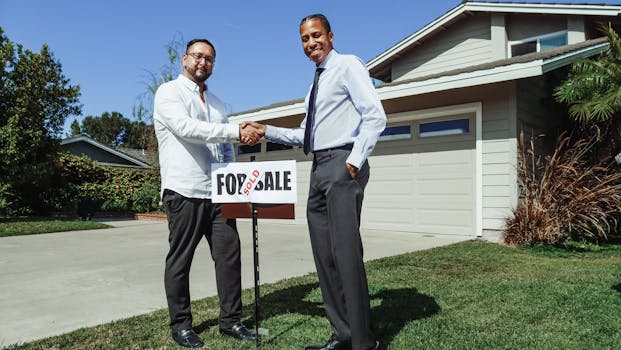 Photo: Kindel Media / Pexels