
How to Find a Real Estate Agent: Your Ultimate Guide
Unlock the secrets to finding the perfect real estate agent who will advocate for your best interests, whether buying or selling.
Start Your Search NowKey Takeaways
- ✓ Over 88% of buyers and 89% of sellers use a real estate agent.
- ✓ Experience, local market knowledge, and communication style are crucial factors.
- ✓ Interviewing multiple agents is highly recommended before making a decision.
- ✓ Agent commissions are typically paid by the seller, but buyers benefit from representation.
How It Works
Before starting your search, clarify your specific goals: are you buying, selling, or both? Determine your desired timeline, property type, and any non-negotiable requirements to narrow down potential agents.
Begin by asking friends, family, and colleagues for recommendations. Supplement this with online research, checking agent websites, social media, and reputable review platforms for initial candidates.
Prepare a list of questions covering experience, communication, local market expertise, and fees. Interview at least 2-3 agents to compare their approaches, personalities, and how well they understand your objectives.
Carefully read any buyer's agency agreements or listing agreements. Ensure you understand the terms, commission structure, and duration before signing. Choose the agent who best aligns with your needs and makes you feel confident.
Understanding the Role of a Real Estate Agent
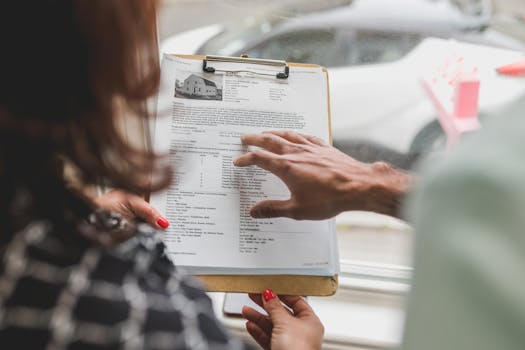 Photo: RDNE Stock project / Pexels
For sellers, an agent is a strategic partner in maximizing your home's value and ensuring a smooth transaction. They provide expert advice on pricing your home competitively, staging it effectively, and marketing it to the widest possible audience. This includes professional photography, virtual tours, open houses, and targeted online campaigns. A good agent will handle all inquiries, schedule showings, and skillfully negotiate offers, counteroffers, and repair requests. They also vet potential buyers, ensuring they are pre-approved or pre-qualified, saving you time and hassle. Beyond the transactional aspects, an agent serves as a trusted advisor, interpreter of legal documents, and a calming presence during what can be a stressful period. Their expertise in local regulations, contractual obligations, and market trends is indispensable. They connect you with other necessary professionals, such as lenders, inspectors, and attorneys, creating a seamless experience. Ultimately, their goal is to secure the best possible outcome for you, whether that means finding your dream home at a fair price or selling your property for top dollar within your desired timeline. Choosing the right professional to help you find a real estate agent is a decision that can significantly impact your financial and emotional well-being.
Key Qualities to Look for in a Top Real Estate Professional
 Photo: Thirdman / Pexels
Local market knowledge is another non-negotiable quality. A great agent isn't just familiar with the city; they know the specific streets, schools, amenities, and future development plans for your desired area. They can advise you on micro-market conditions that impact property values and desirability. This hyper-local expertise is invaluable, whether you're trying to price your home correctly or find a neighborhood that perfectly fits your lifestyle.
Communication skills are also paramount. You need an agent who is responsive, clear, and proactive in their communication. Do they return calls and emails promptly? Do they explain complex processes in an understandable way? Are they good listeners who grasp your needs and preferences? Your agent should keep you informed at every stage, manage your expectations, and be accessible when you need them.
Beyond these, look for strong negotiation skills. The ability to advocate effectively for your interests, whether securing the best price or navigating tricky contingencies, is a hallmark of a great agent. They should be confident, strategic, and able to remain calm under pressure. Finally, integrity and professionalism are foundational. Your agent will handle significant financial transactions and sensitive personal information. Choose someone with a stellar reputation, who operates with honesty and transparency, and who puts your interests above their own. Check their licensing status and any disciplinary actions through your state's real estate commission. An agent who embodies these qualities will be a powerful ally in your real estate journey, helping you navigate challenges and achieve your goals with confidence and peace of mind.
The Interview Process: Questions to Ask Before You Hire
 Photo: Kampus Production / Pexels
Next, delve into their local market expertise: "How do you determine property values in this area?" "What are the current market trends I should be aware of?" "What do you see as the unique selling points or challenges of my property/desired area?" Their answers should demonstrate a deep, nuanced understanding, not just generic statements.
Communication and availability are crucial. Ask: "How do you prefer to communicate (phone, email, text)?" "How often can I expect updates?" "What are your typical working hours, and how do you handle urgent matters outside of those hours?" "Do you work alone or as part of a team? If a team, who will be my primary contact?" Clear expectations here will prevent frustration later.
Understanding their strategy is also vital. For sellers, ask: "What is your marketing plan for a property like mine?" "What pricing strategy do you recommend and why?" "What is your average list-to-sale price ratio?" For buyers: "How will you help me find properties that aren't yet on the market?" "What's your strategy for winning in a competitive bidding situation?"
Finally, address fees and contracts: "What is your commission rate, and what services does that include?" "Can you walk me through the buyer's agency agreement/listing agreement?" "What is the duration of the contract, and are there any termination clauses?" Be wary of agents who are unwilling to discuss these openly or who pressure you into signing immediately. A professional agent will welcome your questions and provide clear, confident answers, demonstrating their expertise and commitment to your success. Remember, you're hiring a professional partner for one of the most significant financial decisions of your life, so choose wisely. For more on navigating property contracts, check out our guide on understanding real estate contracts.
Avoiding Common Pitfalls When Selecting an Agent
Another pitfall is choosing an agent based solely on commission rate. While cost is a factor, a lower commission often means fewer services, less marketing effort, or a less experienced agent. A highly skilled agent, even with a slightly higher commission, can often negotiate a better price or sell your home faster, ultimately saving you money or increasing your profit. Focus on value and expertise rather than just the bottom line.
Ignoring online reviews and references is another mistake. While not every negative review is indicative of a bad agent, patterns of poor communication, unresponsiveness, or ethical concerns should be red flags. Always check multiple sources and ask for references from past clients whom you can contact directly. Don't underestimate the power of word-of-mouth and third-party validation.
Failing to verify an agent's license and disciplinary history is a serious oversight. Every state has a real estate commission or licensing board where you can look up an agent's status and see if they have any complaints or violations against them. This simple step provides crucial peace of mind.
Lastly, being swayed by an agent who tells you exactly what you want to hear, rather than what you need to hear, can be detrimental. An agent who promises an unrealistically high selling price just to get your listing might leave your property languishing on the market. Similarly, an agent who dismisses your concerns or preferences might not have your best interests at heart. Look for an agent who provides honest, data-driven advice, even if it's not what you initially wanted to hear. Their expertise should guide you, not just flatter you. Avoiding these common mistakes will significantly increase your chances of a successful and stress-free real estate transaction.
Comparison
| Feature | Experienced Local Agent | Online Discount Broker | Friend/Family Agent |
|---|---|---|---|
| Local Market Expertise | Excellent | Limited | Variable |
| Negotiation Skills | Strong | Moderate | Can be awkward |
| Marketing Reach | Broad & Targeted | Basic Online | Limited personal network |
| Personalized Service | High | Low | High, but potentially biased |
| Commission Structure | Standard (Seller pays) | Lower (Seller pays less) | Standard |
| Fiduciary Duty | ✓ | ✓ | ✓ |
| Professional Network | Extensive | Limited | Depends on individual |
What Readers Say
"We were struggling to find a real estate agent who truly understood our unique needs. After following this guide, we found an incredible agent who helped us secure our dream home in a competitive market. Her local knowledge was unparalleled!"
Sarah J. · Austin, TX"Selling our house felt overwhelming, but this article provided clear steps. We interviewed three agents as suggested and chose one who exceeded our expectations, selling our home above asking price in just two weeks. Highly recommend this approach."
Mark D. · Orlando, FL"As first-time homebuyers, we needed a lot of guidance. The advice on what questions to ask when you find a real estate agent was invaluable. We ended up with an agent who was patient, informative, and a fantastic negotiator, getting us into a home we love."
Emily R. · Seattle, WA"The guide was mostly helpful in navigating the agent selection process. While our agent wasn't perfect, the interview questions helped us identify key areas of strength and weakness, leading to a generally positive experience. It definitely prevented us from making a hasty decision."
David L. · Denver, CO"We were relocating and needed to find a real estate agent quickly. This article streamlined our search, allowing us to identify and vet agents efficiently. Our agent was incredibly responsive and made the cross-country move much smoother."
Jessica M. · Phoenix, AZFrequently Asked Questions
What's the best way to start when I want to find a real estate agent?
Begin by asking for referrals from trusted friends, family, and colleagues who have recently bought or sold property. Supplement this with online research, checking agent websites, social media, and reputable review platforms like Zillow or Realtor.com to build an initial list of candidates.
Is it better to work with a solo agent or a real estate team?
Both have benefits. A solo agent often provides a more personal, one-on-one experience. A team typically offers more availability and a broader range of specialists (e.g., marketing, transaction coordinators), but you might interact with multiple people. Consider your preference for direct contact versus comprehensive support.
How do I verify a real estate agent's license and track record?
You can verify an agent's license through your state's real estate commission or licensing board website. Many states offer online search tools where you can check their license status and any disciplinary actions. For track record, ask the agent for references and look up their past sales on platforms like Zillow or Redfin.
How much does it cost to use a real estate agent as a buyer?
As a buyer, you typically do not pay your agent's commission directly. The seller usually pays the commission for both their listing agent and your buyer's agent, which is then split between them at closing. This means buyer representation is essentially 'free' to the buyer, making it a valuable resource.
Should I sign an exclusive buyer's agency agreement?
An exclusive buyer's agency agreement legally formalizes your relationship with an agent, obligating them to represent your best interests. While it commits you to one agent for a specified period, it also ensures the agent is fully invested in finding you a home. Discuss the terms and duration carefully before signing.
Who benefits most from hiring a real estate agent?
Both buyers and sellers benefit immensely. Buyers gain expert negotiation, market insights, and guidance through complex paperwork. Sellers benefit from professional marketing, strategic pricing, and skilled negotiation to maximize their home's value and ensure a smooth transaction. First-time buyers and sellers, in particular, find agents invaluable.
What if I'm unhappy with my chosen agent?
If you're unhappy, first try to communicate your concerns directly with your agent to see if issues can be resolved. If not, review your buyer's agency agreement or listing agreement for termination clauses. Many contracts have provisions for early termination, though some may involve fees or conditions. In extreme cases, you can contact your state's real estate commission.
How will technology impact the way we find a real estate agent in the future?
Technology will continue to enhance the search process, with AI-powered matching services and virtual reality tours becoming more common. However, the human element of negotiation, local expertise, and personal connection will remain crucial. Agents who leverage technology to improve efficiency and client experience will thrive, making the selection process more data-driven and personalized.
Finding the right real estate agent is a pivotal step in achieving your property goals. By following these expert strategies, you're not just hiring an agent; you're securing a trusted partner dedicated to your success. Take the time to research, interview, and choose wisely to ensure a smooth and profitable real estate journey.