How to Become a Real Estate Agent: Your Ultimate Guide

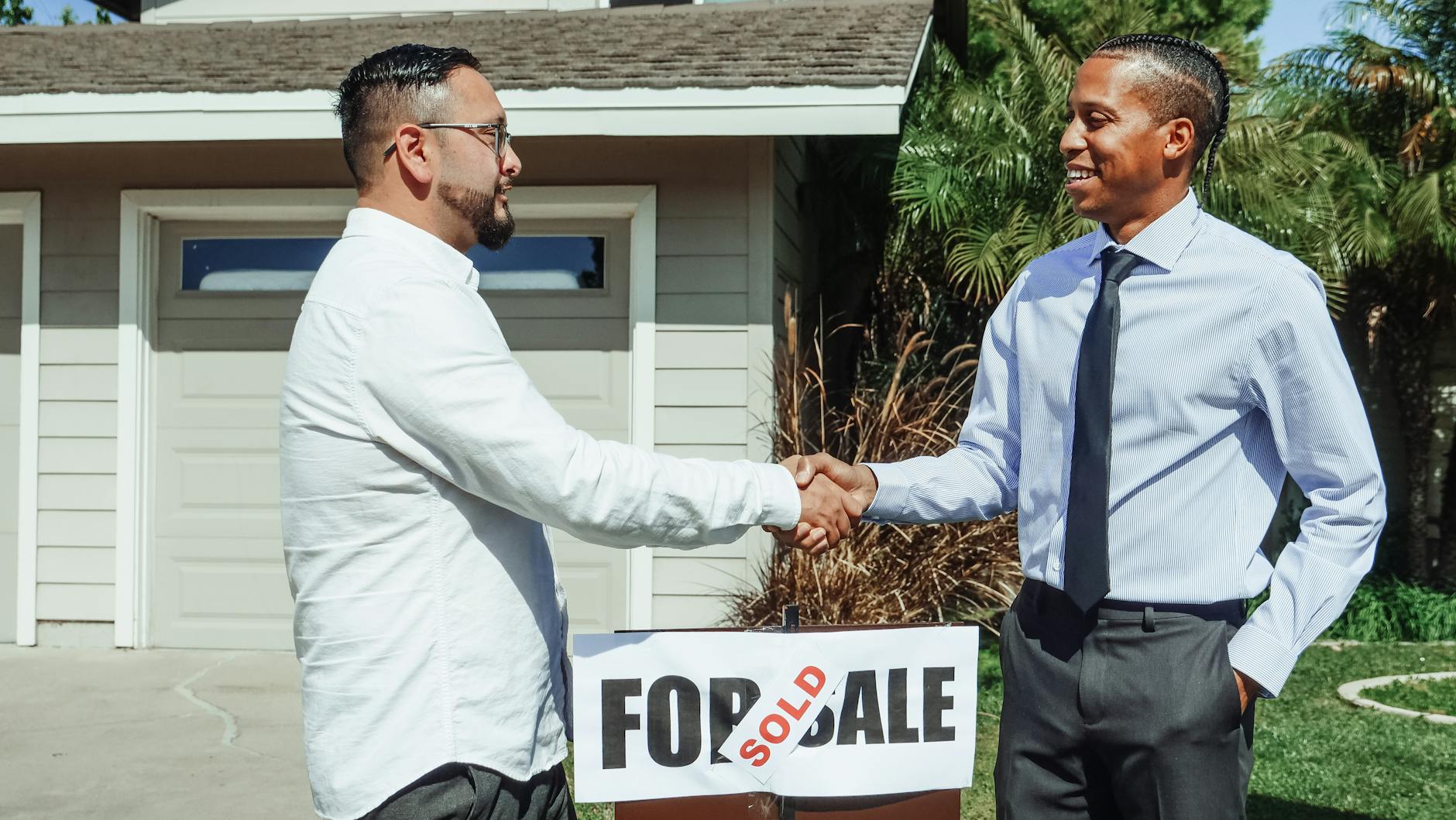
Two men shaking hands in front of house sold sign, sealing real estate deal outdoors.Photo: Kindel Media / Pexels

How to Become a Real Estate Agent: Your Ultimate Guide

Navigate the path to a rewarding real estate career with our expert insights and step-by-step guidance.

Start Your Journey Today

Key Takeaways

  • ✓ Becoming a real estate agent requires state-specific licensing.
  • ✓ Pre-licensing education is mandatory in all U.S. states.
  • ✓ You must pass a state-administered licensing exam.
  • ✓ Choosing the right brokerage is crucial for career launch and success.

How It Works

1
Complete Pre-Licensing Education

Enroll in an accredited real estate school and fulfill your state's required classroom hours. This foundational knowledge is essential for understanding real estate principles and practices.

2
Pass the State Licensing Exam

After completing your education, you'll need to pass a comprehensive exam covering national and state-specific real estate laws. Thorough preparation is key to success on this critical test.

3
Find a Sponsoring Brokerage

Newly licensed agents must work under the supervision of an experienced real estate broker. Selecting a brokerage that offers strong mentorship and resources is vital for your early career development.

4
Activate Your License & Begin Selling

Once affiliated with a broker, your license becomes active, allowing you to legally practice real estate. This marks the beginning of your exciting journey in buying and selling properties.

Understanding the Real Estate Agent Career Path

Professional real estate agent holding a 'For Sale' sign inside a modern interior.Photo: MART PRODUCTION / Pexels
Embarking on a career as a real estate agent in the United States offers a unique blend of independence, financial potential, and the satisfaction of helping people achieve significant life milestones. Unlike many traditional 9-to-5 jobs, real estate often provides flexibility in your schedule, allowing you to manage your own time and client interactions. However, this flexibility comes with the responsibility of being self-motivated and proactive, as your income is typically commission-based. This means your earnings are directly tied to your sales performance, making strong sales skills, negotiation prowess, and an entrepreneurial spirit essential for success. The journey to becoming a licensed agent involves several structured steps, starting with understanding the foundational requirements set forth by your specific state's real estate commission. These requirements are designed to ensure that all practicing agents possess a fundamental knowledge of real estate law, ethics, and practices, protecting both consumers and the integrity of the profession. While the general framework is similar across states, the specifics, such as minimum age, education hours, and exam content, can vary significantly. Therefore, the very first step in your journey should always be to research the exact licensing requirements for the state where you intend to practice. Beyond the initial licensing, a successful real estate career demands continuous learning and adaptation. The market is constantly evolving, influenced by economic trends, interest rates, and local developments. Agents must stay informed about these changes to provide accurate advice to their clients. Building a robust network, both with other industry professionals and potential clients, is also paramount. This involves active participation in local community events, joining professional real estate associations, and leveraging social media platforms to establish your brand and expertise. Furthermore, developing strong communication and interpersonal skills is crucial, as you will be dealing with diverse personalities and navigating complex emotional situations inherent in buying or selling a home. The ability to listen, empathize, and effectively articulate information will set you apart. Many successful agents also emphasize the importance of having a clear business plan from the outset, outlining their target market, marketing strategies, and financial goals. This structured approach helps in maintaining focus and measuring progress in a field that can sometimes feel unpredictable. Understanding that this career path is a marathon, not a sprint, and requires consistent effort and dedication, is vital for long-term achievement. For more insights into the broader real estate landscape, explore our guide on real estate investing strategies.

The Licensing Process: Step-by-Step Breakdown

Low angle view of a modern law office exterior with elegant facade and arched entrance.Photo: Erik Mclean / Pexels
The licensing process to become a real estate agent in the US is a multi-stage journey that begins with meeting basic eligibility criteria. Typically, you must be at least 18 or 19 years old (depending on the state), a legal resident of the U.S., and possess a high school diploma or its equivalent. Some states may also require a background check, which could include fingerprinting, to ensure you meet character and suitability standards. Once these preliminary requirements are met, the next critical step is completing the mandatory pre-licensing education. The number of hours required varies significantly by state, ranging from as few as 40 hours in some states to over 180 hours in others. This education covers a broad spectrum of topics, including real estate principles, practices, law, contracts, financing, and ethics. It's crucial to choose an accredited real estate school, whether online or in-person, that is approved by your state's real estate commission. These courses are designed to equip you with the fundamental knowledge necessary to pass the state exam and, more importantly, to competently represent clients. After successfully completing your pre-licensing education, you will be eligible to sit for the state real estate licensing exam. This exam is usually divided into two parts: a national portion covering general real estate principles and practices, and a state-specific portion focusing on your state's particular laws and regulations. Both sections must be passed, often with a minimum score of 70-75%, though this can vary. The exams are typically administered by a third-party testing service, and you'll need to schedule your appointment in advance. Many candidates find the exam challenging, so thorough preparation through study guides, practice tests, and reviewing course materials is highly recommended. Some states allow multiple attempts to pass the exam, but there may be waiting periods between attempts. Once you pass the exam, the final step in obtaining your active license is to apply to your state's real estate commission and find a sponsoring broker. A sponsoring broker is an experienced, licensed real estate professional who will oversee your transactions and provide guidance. This mentorship is invaluable for new agents, offering practical experience and support as you navigate your first deals. Without a sponsoring broker, your license will remain inactive, meaning you cannot legally practice real estate. The selection of a brokerage is a strategic decision that can significantly impact your early career trajectory, so it's wise to interview several options before committing.

Launching Your Career: Brokerages, Training, and Marketing
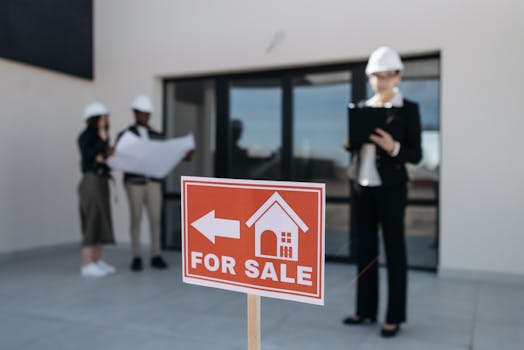
Three real estate professionals inspecting a property for sale with a focus on the business aspect.Photo: Pavel Danilyuk / Pexels
Once you've successfully navigated the licensing process, the real work of launching your real estate career begins. The first and arguably most critical decision you'll make post-licensing is choosing the right sponsoring brokerage. A brokerage isn't just a place to hang your license; it's your operational base, your training ground, and often your first professional community. Different brokerages offer varying models: some provide extensive training programs, mentorship, and lead generation tools, while others offer higher commission splits but expect agents to be more self-sufficient. Consider factors like company culture, commission structures, available technology and marketing support, office amenities, and the reputation of the broker and team leaders. Interview several brokerages, ask probing questions about their support for new agents, and don't hesitate to speak with other agents who work there to get an unfiltered perspective. The right fit can accelerate your learning curve and provide the necessary support to thrive in a competitive market. Effective training and ongoing education are non-negotiable for long-term success. While pre-licensing education covers the fundamentals, the practicalities of real estate are learned on the job. Many brokerages offer in-house training on everything from contract negotiation and lead conversion to CRM software usage and local market analysis. Beyond brokerage-provided training, seek out opportunities for continuing education (which is also often required to maintain your license). This could include specialized certifications in areas like luxury homes, commercial real estate, or distressed properties, as well as workshops on digital marketing, social media, and advanced sales techniques. The real estate landscape is dynamic, and continuous learning ensures you remain competitive and knowledgeable. Furthermore, building your personal brand and marketing yourself effectively are paramount. This involves developing a professional online presence through a website and active social media profiles, creating compelling marketing materials for listings, and networking extensively. Attending local business events, joining community organizations, and leveraging referrals from satisfied clients are powerful ways to build your client base. Remember, you are your brand, and how you present yourself and your services will dictate your success in attracting and retaining clients. For deeper insights into market trends that can inform your marketing strategy, consider resources on real estate market analysis.

Essential Tips for New Real Estate Agents and Common Pitfalls to Avoid
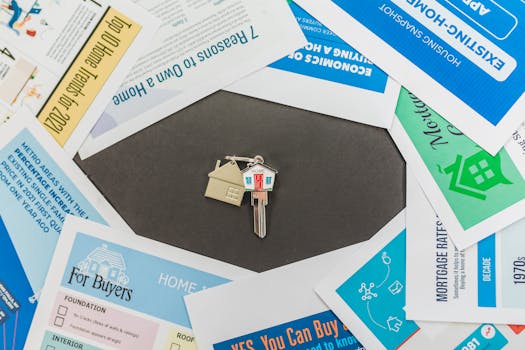
Overhead view of real estate brochures and house key, ideal for marketing.Photo: RDNE Stock project / Pexels
Starting a career as a real estate agent is exciting, but it comes with its own set of challenges. Here are some essential tips to help new agents thrive and common pitfalls to steer clear of. **Essential Tips for Success:** * **Find a Mentor:** Seek out an experienced agent or broker who is willing to guide you. Their insights can be invaluable for navigating complex deals and understanding the nuances of the business. * **Build Your Sphere of Influence (SOI):** Your personal network is your most powerful asset. Let everyone you know—friends, family, past colleagues—know you are a real estate agent. Ask for referrals and stay in touch regularly. * **Master Your Local Market:** Become an expert on property values, neighborhood amenities, school districts, and future developments in your target areas. Clients rely on your local knowledge. * **Invest in Professional Development:** Beyond mandatory continuing education, take courses on negotiation, marketing, and sales. Attend industry conferences and workshops to stay ahead. * **Develop a Strong Online Presence:** In today's digital age, a professional website, an active social media presence, and positive online reviews are crucial for attracting and building trust with clients. * **Set Clear Goals and a Business Plan:** Treat your real estate career like a business. Define your income goals, marketing strategies, and daily activities necessary to achieve them. * **Be Patient and Persistent:** Success in real estate rarely happens overnight. There will be ups and downs. Maintain a positive attitude, learn from setbacks, and keep pushing forward. **Common Pitfalls to Avoid:** * **Lack of a Financial Runway:** Real estate income is commission-based and often irregular, especially at the start. Have at least 6-12 months of living expenses saved to alleviate financial pressure. * **Neglecting Marketing:** Expecting clients to just appear is a recipe for failure. Proactive and consistent marketing is essential to generate leads. * **Poor Time Management:** Without a set schedule, it's easy to get sidetracked. Develop strong organizational skills and prioritize tasks to maximize productivity. * **Ignoring Continuing Education:** The real estate industry is constantly changing. Failing to stay updated on laws, market trends, and technology can leave you behind. * **Over-promising and Under-delivering:** Always manage client expectations honestly. It's better to under-promise and over-deliver than the other way around. * **Working in Isolation:** Don't be afraid to ask for help or advice from your broker or colleagues. Trying to do everything yourself can lead to burnout and missed opportunities. * **Lack of Professional Boundaries:** While client service is important, it's also crucial to set boundaries to maintain a healthy work-life balance and prevent burnout. Real estate can be demanding, and protecting your personal time is vital for sustained success.

Comparison

FeatureReal Estate AgentReal Estate BrokerReal Estate Investor
Licensing ComplexityState-specific agent licenseHigher-level broker license, more experience requiredNo specific license required (for direct investing)
Income StructureCommission-based on salesCommission-based, can also earn from agent's salesProfit from property appreciation/rentals
Primary RoleRepresent buyers/sellers in transactionsOversee agents, manage brokerage, complex transactionsBuy, manage, and sell properties for profit
Required EducationPre-licensing course (40-180 hrs)Additional education + experience (e.g., 2 years as agent)Self-study, financial literacy
Client InteractionHigh interaction, client-facingModerate interaction, supervisory roleLow interaction (unless self-managing rentals)
Risk LevelMedium (income volatility)Medium (business management)High (market fluctuations, property issues)
Start-up CostsLow (education, fees, marketing)Moderate (brokerage setup, staff)High (down payments, renovations)
Long-term PotentialExcellent, scalable with teamVery High, business ownershipExcellent, wealth building

What Our Readers Say

5 ★★★★★

"This guide made the process of how to become a real estate agent feel much less daunting. The step-by-step breakdown of licensing and finding a broker was incredibly clear and helpful."

5 ★★★★★

"I was overwhelmed by all the information out there, but this article truly consolidated everything. The tips for new agents were especially valuable for someone just starting out like me."

5 ★★★★★

"Following the advice in this guide, I successfully got my license and found a fantastic sponsoring broker within three months. The focus on mentorship really paid off, resulting in my first sale within 60 days!"

4 ★★★★☆

"While comprehensive, some of the state-specific details still required additional research, which is understandable given the variations. However, it provided an excellent foundational roadmap for how to become a real estate agent."

5 ★★★★★

"As someone transitioning from a completely different industry, the section on understanding the career path was eye-opening. It prepared me for the realities of the commission-based income and the entrepreneurial spirit needed."

Frequently Asked Questions

What are the basic requirements to become a real estate agent in the US?
Generally, you must be at least 18 or 19 years old (state-dependent), a U.S. citizen or legal resident, and have a high school diploma or GED. Most states also require a background check and completion of pre-licensing education hours.
Is it difficult to pass the real estate licensing exam?
The real estate licensing exam is challenging and requires diligent study. It covers both national and state-specific laws and practices. However, with proper preparation through accredited courses and practice tests, it is certainly passable.
How long does it typically take to become a licensed real estate agent?
The timeline varies significantly by state and individual pace. On average, completing pre-licensing education can take 2-6 months, followed by exam scheduling and application processing. Many agents become licensed within 3-6 months from starting their education.
What are the costs associated with becoming a real estate agent?
Costs include pre-licensing education (typically $200-$1000), exam fees ($50-$200), state application/licensing fees ($50-$300), and potentially brokerage desk fees or association dues. Initial marketing and technology expenses should also be considered.
What's the difference between a real estate agent and a real estate broker?
A real estate agent is licensed to help clients buy and sell property but must work under a licensed broker. A real estate broker has a higher-level license, more experience, and can operate independently, manage a brokerage, and supervise other agents.
Who should consider a career as a real estate agent?
Individuals who are self-motivated, enjoy working with people, possess strong communication and negotiation skills, and are comfortable with a commission-based income structure are well-suited for a real estate career.
What are the biggest risks or challenges for new real estate agents?
Major challenges include inconsistent income, the need for continuous lead generation, navigating complex transactions, and fierce competition. New agents also face a steep learning curve regarding local market knowledge and legal compliance.
How will technology impact the future of real estate agents?
Technology will continue to transform real estate by enhancing efficiency through AI, virtual tours, and data analytics. Agents who embrace these tools, focus on personalized service, and leverage their local expertise will remain indispensable.

Ready to take the leap and discover how to become a real estate agent? This comprehensive guide has laid out the path to a rewarding career. Start your pre-licensing education today and unlock your potential in the dynamic world of real estate.

Topics: how to become a real estate agentreal estate licensereal estate careerreal estate educationbroker requirements
Leo List