✓ Foreclosed homes can offer significant savings compared to traditional listings.
✓ Texas has a robust real estate market with diverse foreclosure opportunities.
✓ Understanding the different types of foreclosures (pre-foreclosure, auction, REO) is crucial.
✓ Working with an experienced real estate agent specializing in foreclosures is highly recommended.
How It Works
1
Understand Foreclosure Types
Before diving in, learn about pre-foreclosures, public auctions, and bank-owned (REO) properties. Each type has distinct buying processes and potential risks/rewards.
2
Secure Financing & Pre-Approval
Most foreclosure purchases require cash or pre-approved financing. Get your financial ducks in a row to act quickly when a deal arises and demonstrate your serious intent.
3
Search & Identify Properties
Utilize specialized websites, real estate agents, and local county records to find foreclosed homes. Focus your search on specific areas of Texas that align with your goals.
4
Due Diligence & Offer Submission
Thoroughly research the property's condition, title history, and market value. Submit a competitive offer, understanding that foreclosure sales often have unique terms and timelines.
Navigating the Texas Foreclosure Market Landscape
Photo: Photo Eddie O. / Pexels
The Texas real estate market is dynamic and offers unique opportunities for those seeking foreclosed homes. Understanding the landscape is the first critical step toward securing a valuable property. Foreclosures, while sometimes perceived as complex, can present significant savings for savvy buyers, investors, and even first-time homeowners. In Texas, foreclosures typically fall into a few main categories: pre-foreclosures, public auctions (trustee sales), and bank-owned properties (REO – Real Estate Owned). Each category has its own intricacies, benefits, and potential challenges that buyers must be aware of. Pre-foreclosures, for instance, are properties where the homeowner has defaulted on their mortgage but the property has not yet been repossessed. This stage can offer a chance to negotiate directly with the homeowner, potentially resulting in a quicker, less competitive sale, but often requires patience and direct communication. Public auctions, held monthly in Texas counties, are where properties are sold to the highest bidder, usually for cash. These can yield incredible deals but come with significant risks, as buyers typically cannot inspect the property beforehand and are responsible for any existing liens. Bank-owned properties, or REOs, are homes that did not sell at auction and are now owned by the lender. These are generally easier to purchase, as banks typically clear title issues and allow for inspections, making them a more traditional transaction. The sheer size and economic diversity of Texas mean that foreclosure opportunities are not uniform across the state. Major metropolitan areas like Houston, Dallas-Fort Worth, Austin, and San Antonio will have different volumes and types of foreclosures compared to smaller towns or rural areas. Economic trends, job growth, and local housing market conditions all play a role in the availability and pricing of foreclosed homes. Buyers should research specific sub-markets thoroughly. For example, a buyer looking for a primary residence might focus on REO properties in a stable suburban area, while an investor might target auction properties in an emerging market. Accessing reliable information is paramount. Websites specializing in foreclosure listings, local county clerk offices, and experienced real estate agents are invaluable resources. Many online platforms aggregate listings from various sources, making it easier to search. However, always verify information, especially regarding auction dates and property status. Understanding the legal framework surrounding foreclosures in Texas is also crucial. Texas is a non-judicial foreclosure state, meaning lenders can foreclose without court intervention, which often results in a faster process than in judicial foreclosure states. This speed can be both an advantage and a challenge for buyers, demanding quick action and due diligence. Familiarizing yourself with the general real estate market trends in Texas will further equip you to make informed decisions and identify the best opportunities. A solid understanding of these foundational elements will set the stage for a successful purchase of foreclosed homes for sale in Texas.
Strategies for Finding and Evaluating Texas Foreclosure Properties
Photo: Thirdman / Pexels
Once you understand the types of foreclosures, the next step is actively finding and meticulously evaluating potential properties. This phase is critical for minimizing risk and maximizing your investment. There are several effective avenues for locating foreclosed homes for sale in Texas. Online platforms are arguably the most popular starting point. Websites like RealtyTrac, Zillow Foreclosure Center, HUDHomeStore.com (for HUD homes), and Fannie Mae/Freddie Mac's HomePath/HomeSteps offer extensive listings. These sites often allow you to filter by location, property type, and foreclosure status, streamlining your search. However, remember that many of these are aggregators, and the most current information might reside directly with the asset manager or listing agent. Another invaluable resource is a local real estate agent specializing in foreclosures and REO properties. These agents often have access to listings before they hit public sites, understand the nuances of negotiating with banks, and can guide you through the often-complex paperwork. They can also help you identify properties that align with your specific investment or housing goals, whether you're looking for a fixer-upper or a move-in ready home. Local county appraisal district websites and the county clerk's office are also excellent sources for public record information, including notices of default and scheduled auction dates. While this requires more manual effort, it can provide very early insights into properties entering the foreclosure pipeline. When you identify a potential property, thorough evaluation is non-negotiable. This due diligence process is even more critical with foreclosures due to their 'as-is' nature. Start with a comprehensive property condition assessment. While full inspections might not be possible for auction properties, always attempt to drive by and observe the exterior. For REO properties, a professional home inspection is highly recommended. This will uncover potential issues like structural damage, HVAC problems, or plumbing issues that could significantly impact your budget. Next, research the property's title history. This is where an experienced agent or title company is crucial. Foreclosed properties can sometimes come with encumbrances like unpaid property taxes, HOA fees, or secondary liens that the buyer might inherit. While banks typically clear primary mortgages on REO properties, other liens can remain. Understanding the financial implications of these is vital. Finally, conduct a comparative market analysis (CMA). This involves looking at recent sales of similar properties in the area to determine a fair market value. This will help you formulate a competitive offer that reflects both the property's condition and its potential value. Don't forget to factor in renovation costs if the property requires extensive repairs. By combining robust search strategies with diligent evaluation, you can uncover hidden gems among foreclosed homes for sale in Texas and make informed purchasing decisions.
Financing and Making an Offer on a Foreclosure in Texas
Photo: RDNE Stock project / Pexels
Securing financing and crafting a compelling offer are pivotal steps when pursuing foreclosed homes for sale in Texas. The financing aspect can differ significantly from traditional home purchases, and understanding these distinctions is key to a smooth transaction. For public auctions, cash is almost always required. Buyers must typically have the full purchase price available on the day of the sale, often in the form of a cashier's check. This requirement immediately narrows the pool of eligible buyers but also presents opportunities for those with liquid capital to acquire properties at potentially lower prices. For pre-foreclosures, conventional financing might be an option if the homeowner is willing and able to cooperate with the lender and buyer. However, the timelines can be uncertain, and the transaction might convert to an REO if a deal isn't struck quickly. The most common scenario for financed purchases of foreclosures involves bank-owned (REO) properties. For these, traditional mortgage options, including FHA, VA, and conventional loans, are usually available, provided the property meets the lender's appraisal and condition requirements. It’s crucial to get pre-approved for a mortgage before you start seriously looking. A pre-approval letter demonstrates to the bank that you are a serious and qualified buyer, which can be a significant advantage in competitive bidding situations. Some foreclosed properties might not qualify for standard financing due to their condition. In such cases, options like FHA 203(k) renovation loans or private hard money loans might be necessary. These loans allow you to finance both the purchase and the repairs, but they come with specific requirements and higher interest rates. When it comes to making an offer, flexibility and speed are often rewarded. Banks, as sellers, are primarily interested in a clean, swift transaction. Your offer should be competitive but also reflect the property's condition and any necessary repair costs. Be prepared for 'as-is' sales, meaning the bank will not typically make repairs or offer concessions. While you can still negotiate price, repairs are usually off the table. Banks often use their own addendums and contracts, which can supersede standard Texas real estate forms. Review these documents carefully, ideally with the assistance of a real estate attorney or an agent experienced in REO transactions. The offer process for REOs can involve multiple rounds of bidding, especially if the property is desirable. The bank might counter-offer or ask for your 'highest and best' offer. Be prepared to act quickly and decisively. For real estate investors, foreclosures can offer significant ROI, but careful budgeting for repairs, holding costs, and potential resale value is essential. For owner-occupants, the savings can translate into more equity or a lower mortgage payment, but being prepared for renovation work is often part of the deal. Understanding these financing and offer dynamics is key to successfully acquiring foreclosed homes for sale in Texas, ensuring you're well-prepared for the unique aspects of these transactions.
Common Mistakes and Smart Tips for Buying Foreclosures
Photo: Kampus Production / Pexels
Buying foreclosed homes for sale in Texas can be a rewarding endeavor, but it's also fraught with potential pitfalls if not approached carefully. Avoiding common mistakes and implementing smart strategies will significantly increase your chances of a successful purchase.
**Common Mistakes to Avoid:**
* **Skipping Due Diligence:** This is perhaps the biggest mistake. Not thoroughly researching the property's condition, title, and liens can lead to costly surprises post-purchase. Never assume a bank has cleared all issues.
* **Underestimating Renovation Costs:** Many foreclosures are sold 'as-is' and require significant repairs. Buyers often underestimate the time and money needed for renovations, leading to budget overruns and project delays.
* **Lack of Pre-Approval:** Without solid financing in place, you risk losing out on a property to a cash buyer or someone with pre-approved conventional financing, especially in competitive markets.
* **Ignoring Property Liens:** While primary mortgages are typically cleared in REO sales, other liens (tax liens, HOA liens, contractor liens) can remain. Failing to identify and account for these can make you responsible for thousands of dollars in unexpected debt.
* **Emotional Bidding at Auction:** Public auctions require a cool head. Getting caught up in the excitement and overbidding can negate any potential savings. Stick to your maximum budget.
* **Not Using an Experienced Agent:** Foreclosure transactions are unique. A general real estate agent might not have the specialized knowledge to navigate the complexities of bank-owned properties or auction rules.
**Smart Tips for Success:**
* **Work with a Foreclosure Specialist Agent:** An agent with specific experience in REO and foreclosure transactions can provide invaluable guidance, access to listings, and negotiation expertise.
* **Get Your Finances in Order Early:** Whether it's cash or pre-approved financing, having your funds ready allows you to act quickly when a good deal emerges.
* **Inspect, Inspect, Inspect (When Possible):** For REO properties, always schedule a professional home inspection. For auctions, at least drive by the property and research its history through public records.
* **Budget for Unexpected Costs:** Beyond the purchase price, factor in closing costs, potential repairs, overdue property taxes, and a contingency fund for unforeseen issues.
* **Understand the 'As-Is' Clause:** Banks rarely make repairs. Be prepared to take on the property in its current condition and budget accordingly for all necessary work.
* **Research the Neighborhood and Comps:** Don't just look at the foreclosure price. Understand the market value of comparable homes in the area to ensure you're getting a true deal.
* **Be Patient and Persistent:** Finding the right foreclosure can take time. Deals come and go, so be prepared to wait for the best opportunity that fits your criteria and budget.
* **Consider a Title Search:** Even for REO properties, a comprehensive title search is crucial to uncover any lingering liens or encumbrances that could become your responsibility. This is especially vital for auction purchases.
Comparison
Feature
REO (Bank-Owned)
Public Auction
Pre-Foreclosure
Inspection Allowed?
Typically Yes
Rarely/Never
Sometimes (with homeowner consent)
Financing Options
Most Loan Types
Cash Only
Most Loan Types (if homeowner cooperates)
Title Issues Addressed?
Usually by Bank
Buyer's Responsibility
Buyer's Responsibility (negotiable)
Purchase Speed
Standard (30-60 days)
Immediate (Day of Auction)
Variable (can be long or short)
Potential Savings
Moderate to High
Very High
Moderate
Risk Level
Low to Moderate
High
Moderate
What Readers Say
★★★★★
"I was skeptical about foreclosed homes for sale in Texas, but with the right agent, I found an amazing REO property. The process was straightforward, and I got a fantastic deal on my first home."
Sarah J. · Dallas, Texas
★★★★★
"As an investor, foreclosures in Texas are a goldmine. I've bought several properties through auction and REO. It requires careful research, but the returns are definitely there if you know what you're doing."
Michael T. · Houston, Texas
★★★★★
"We secured a beautiful foreclosed home in Austin for significantly less than market value. The savings allowed us to do all the renovations we dreamed of, turning it into our perfect family home."
David R. · Austin, Texas
★★★★★
"Finding foreclosed homes for sale in Texas took patience, and the first few properties needed too much work. But eventually, I found an REO that was a solid investment, even with some minor repairs needed."
Emily K. · San Antonio, Texas
★★★★★
"The article's advice on working with a specialist agent was spot on. My agent helped me navigate the specific bank paperwork for a foreclosed property in Fort Worth, making the acquisition much smoother."
Robert L. · Fort Worth, Texas
Frequently Asked Questions
What is the best way to find foreclosed homes for sale in Texas?
The best way to find foreclosed homes in Texas is through a combination of resources. Start with online platforms like HUDHomeStore.com, Fannie Mae/Freddie Mac's sites, and general real estate portals. Additionally, partnering with a local real estate agent specializing in REO properties can provide access to exclusive listings and expert guidance. Don't forget county clerk websites for public auction notices.
Are foreclosed homes always cheaper than traditional listings?
While foreclosed homes often offer significant savings, it's not guaranteed. The price depends on the type of foreclosure (auction properties can be very cheap but risky), the property's condition, market demand, and the bank's pricing strategy. Always perform a comparative market analysis to ensure you're getting a good deal, factoring in potential repair costs.
How do I make an offer on a bank-owned (REO) property in Texas?
To make an offer on an REO property, you'll typically work with a real estate agent. The agent will submit your offer to the bank's asset manager, often using the bank's specific contract addendums. Ensure you have proof of funds or a pre-approval letter ready. Be prepared for 'as-is' sales and potentially multiple rounds of negotiation.
What are the typical closing costs for a foreclosed home in Texas?
Closing costs for foreclosed homes in Texas are similar to traditional sales, including title insurance, lender fees, appraisal fees, and property taxes. However, some foreclosures might have additional costs like outstanding HOA dues or city liens that you may be responsible for. Always get a detailed breakdown of all expected costs before closing.
What is the difference between a pre-foreclosure, auction, and REO property?
A pre-foreclosure is a property where the homeowner has defaulted but still owns the home, offering potential direct negotiation. An auction (trustee sale) occurs when the lender sells the property to the highest bidder, typically for cash and 'as-is,' after the homeowner loses possession. An REO (Real Estate Owned) property is one that failed to sell at auction and is now owned by the bank, usually allowing for inspections and traditional financing.
Who should consider buying foreclosed homes in Texas?
Foreclosed homes in Texas are ideal for savvy investors seeking high ROI, first-time homebuyers on a budget willing to undertake renovations, and experienced homeowners looking for a value-add property. Buyers who are patient, financially prepared, and willing to conduct thorough due diligence will benefit most from this market segment.
What are the biggest risks associated with buying a foreclosure?
The biggest risks include purchasing a property sight unseen (common at auctions), inheriting unknown liens or title issues, underestimating the cost and extent of necessary repairs, and facing unexpected legal challenges. Mitigate these risks by working with experts, conducting thorough research, and budgeting for contingencies.
Will the Texas foreclosure market change in the near future?
The Texas foreclosure market is influenced by economic factors like interest rates, job growth, and housing inventory. While predictions vary, experts suggest a potential increase in foreclosures in some areas due to economic shifts. Staying informed about local market trends and economic forecasts is crucial for anticipating future opportunities.
Ready to discover exceptional value and secure your next property? Explore the dynamic market of foreclosed homes for sale in Texas today. With the right knowledge and guidance, your dream home or next investment opportunity awaits.
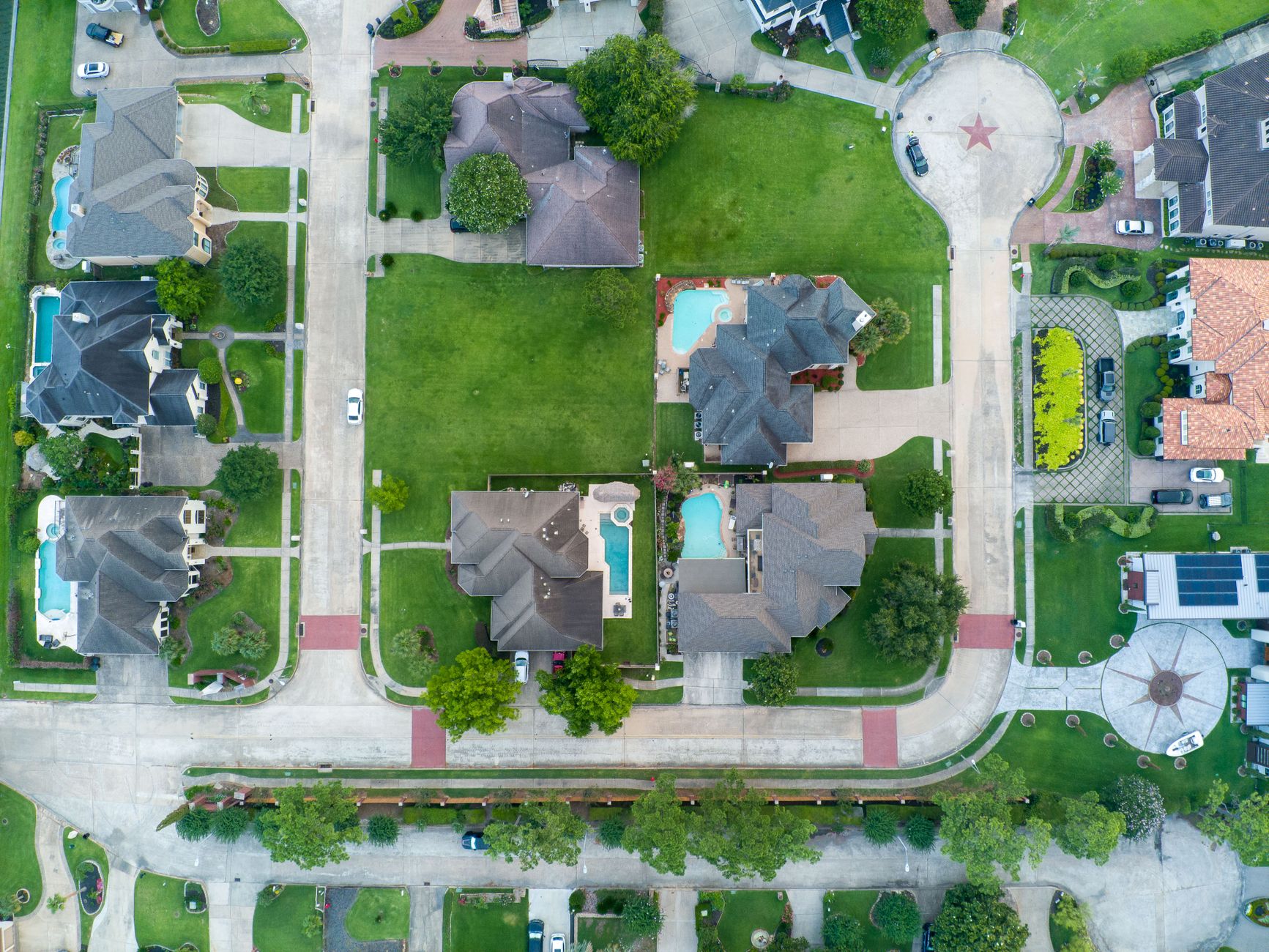
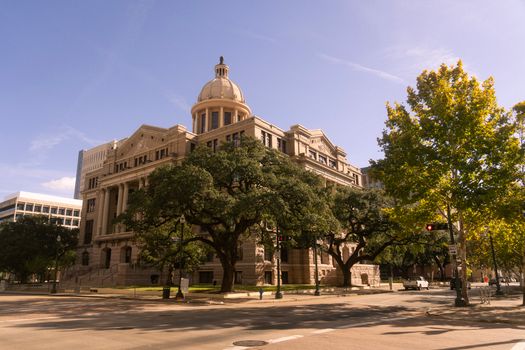 Photo: Photo Eddie O. / Pexels
 Photo: Thirdman / Pexels
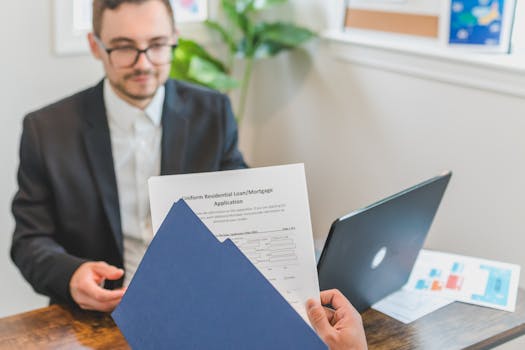 Photo: RDNE Stock project / Pexels
 Photo: Kampus Production / Pexels