Unlock Value: Foreclosed Homes for Sale in Ohio
June 22, 2026 15 min read 2,976 words
Explore Ohio's foreclosure market to find affordable properties and investment opportunities with expert guidance.
Find Your Ohio Foreclosure
Navigating the Ohio Foreclosure Market: Opportunities and Challenges
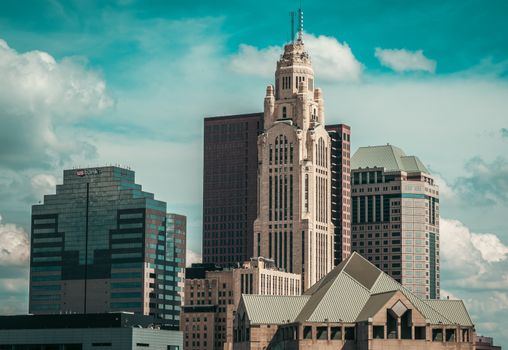 Photo: Chris F / Pexels
The landscape of foreclosed homes for sale in Ohio presents a unique blend of opportunities for savvy buyers and investors, alongside distinct challenges that require careful navigation. Ohio, with its diverse economic profile encompassing major metropolitan areas like Cleveland, Columbus, and Cincinnati, as well as numerous smaller towns and rural communities, experiences foreclosure cycles that can make properties available across a wide spectrum of price points and conditions. Understanding the current market dynamics is paramount. While the national foreclosure rate has seen fluctuations, local economic factors, employment rates, and housing inventory in specific Ohio counties significantly influence the availability and pricing of foreclosed properties. For instance, areas experiencing slower economic growth or higher unemployment might see a greater inventory of distressed homes, potentially leading to more competitive pricing. Conversely, in thriving markets, foreclosures might be fewer but could still represent excellent value if you know where to look.
One of the primary attractions of purchasing foreclosed homes for sale in Ohio is the potential for acquiring property at a price below market value. This discount can stem from various factors: banks often seek to offload these assets quickly to reduce carrying costs, and the 'as-is' nature of many sales means the seller won't make repairs, which is factored into the asking price. However, this 'as-is' condition is also one of the biggest challenges. Buyers must be prepared for properties that may require significant repairs, ranging from cosmetic updates to major structural overhauls. Unlike traditional home sales where sellers often make disclosures and may even cover some repair costs, foreclosed properties come with minimal to no disclosures. This necessitates a more rigorous due diligence process, including comprehensive inspections by qualified professionals. Furthermore, securing financing for a foreclosed home can sometimes be more complex. Traditional mortgages might be difficult to obtain for properties in poor condition, potentially requiring specialized loans like FHA 203(k) or conventional renovation loans, or even cash purchases for deeply distressed assets. Buyers should also be aware of potential liens or encumbrances on the property title, which must be resolved before or during the sale. Engaging an experienced
Ohio real estate agent who specializes in foreclosures and a knowledgeable real estate attorney is highly recommended to mitigate these risks and ensure a smooth transaction. This expert guidance can prove invaluable in identifying true value, understanding local regulations, and navigating the often-complex legalities associated with distressed property sales in Ohio.
Types of Foreclosures in Ohio: Pre-Foreclosure, Auctions, and REO Properties
 Photo: Sora Shimazaki / Pexels
When searching for foreclosed homes for sale in Ohio, it’s crucial to understand the different stages and types of foreclosures, as each presents unique opportunities and distinct buying processes. The three primary categories are pre-foreclosure, foreclosure auctions, and bank-owned (REO) properties.
**Pre-Foreclosure:** This stage occurs when a homeowner has defaulted on their mortgage payments but the bank has not yet repossessed the property. The homeowner is still the legal owner and has a window of time to sell the property to avoid foreclosure. Buying during pre-foreclosure can be advantageous because you're dealing directly with the homeowner, who is typically motivated to sell quickly to preserve their credit and avoid the public humiliation of foreclosure. You might be able to negotiate a better price and even conduct a traditional inspection. However, the process can be delicate, as you're dealing with a homeowner in distress, and there might be multiple liens on the property that need to be cleared. Finding pre-foreclosures often involves monitoring public records for Notices of Default (NOD) or Lis Pendens filings, though some online platforms also track these.
**Foreclosure Auctions:** If a pre-foreclosure sale doesn't occur, the property typically proceeds to a public auction, usually conducted by the county sheriff's office. These auctions are often advertised in local newspapers and on county websites. Buying at auction can offer the lowest prices, sometimes significantly below market value. However, this is also the riskiest type of foreclosure purchase. Buyers typically cannot inspect the interior of the property before bidding, meaning you're buying sight unseen. You must also have your financing in order, as most auctions require full payment in cash or certified funds shortly after the bid is accepted. Furthermore, properties bought at auction often come with the risk of junior liens (e.g., tax liens, mechanic's liens) that may not be wiped out by the foreclosure, making the buyer responsible for them. It's imperative to conduct a thorough title search *before* bidding at an auction to understand all potential encumbrances. For those experienced in real estate and with ready cash, auctions can yield high returns, but they are not for the faint of heart or first-time buyers.
**Bank-Owned (REO) Properties:** Real Estate Owned (REO) properties are those that have gone through the foreclosure process and failed to sell at auction, reverting ownership to the lender (the bank). This is often the most common and generally safest way for individuals to purchase foreclosed homes for sale in Ohio. Banks, unlike individual homeowners or auctioneers, are motivated to sell these properties and will often price them competitively. While REO properties are still sold 'as-is,' banks typically clear any outstanding liens themselves, providing a clear title. They also often allow for inspections, albeit sometimes with limitations. The buying process for an REO property is similar to a traditional home sale, involving an offer, negotiation, and a closing period. However, banks can be slow to respond, and their contracts are often non-negotiable, heavily favoring the seller. Working with an agent experienced in REO transactions is highly beneficial here, as they understand the bank's specific procedures and paperwork. Each type of foreclosure offers a different risk/reward profile, and understanding these distinctions is key to making an informed decision in the Ohio market.
Financing and Due Diligence for Ohio Foreclosure Purchases
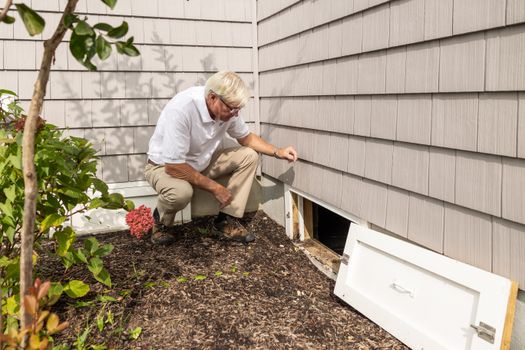 Photo: Kathleen Austin Kuhn / Pexels
Securing appropriate financing and conducting meticulous due diligence are two non-negotiable steps when considering foreclosed homes for sale in Ohio. The financial aspect of buying a foreclosure can differ significantly from a traditional home purchase, primarily due to the condition of the property and the seller's (often a bank's) requirements. For properties in good to fair condition, conventional mortgages, FHA, VA, or USDA loans might be available. However, lenders will scrutinize the property's livability; if it lacks essential utilities, has significant structural damage, or is deemed unsafe, traditional financing may be difficult or impossible to obtain. In such cases, buyers might need to explore specialized financing options. FHA 203(k) loans, for example, are designed for homes that require rehabilitation, allowing borrowers to finance both the purchase price and the renovation costs into a single mortgage. Similarly, conventional renovation loans (like Fannie Mae HomeStyle or Freddie Mac CHOICERenovation) offer flexibility for properties needing repair. For highly distressed properties, a cash purchase or a hard money loan (short-term, high-interest loans from private lenders) might be the only viable options. It's crucial to get pre-approved for financing *before* you start seriously looking, and to discuss with your lender that you are specifically interested in foreclosed properties to understand your options and limitations. This proactive approach ensures you can act quickly when a desirable property emerges and avoid wasting time on homes you can't finance.
Beyond financing, due diligence is paramount, especially given the 'as-is' nature of most foreclosure sales. Unlike traditional sellers, banks typically offer no disclosures regarding the property's history or condition. This means the buyer assumes all risks. Your due diligence should begin with a comprehensive property inspection by a licensed professional. Do not skip this step, even if the property appears to be in decent shape. Inspectors can uncover hidden issues like foundation problems, outdated electrical systems, plumbing leaks, or pest infestations that could cost tens of thousands to repair. Following the inspection, obtain detailed estimates for all necessary repairs. This will allow you to accurately factor renovation costs into your budget and determine if the property remains a good investment. A thorough title search is equally vital. This search, usually performed by a title company or attorney, will reveal any outstanding liens, judgments, or encumbrances against the property. While banks typically clear their own liens on REO properties, other liens (e.g., unpaid property taxes, HOA dues, contractor liens, second mortgages) might still exist and could become the buyer's responsibility if not addressed. An experienced
real estate attorney specializing in foreclosures can help review the title report and ensure a clear title transfer. Finally, research the local market thoroughly. Understand comparable sales (comps) in the area to ensure the foreclosed property, even with renovation costs, offers genuine value. Consider the neighborhood, school districts, and future development plans, as these factors will impact the property's long-term appreciation and resale value. By diligently addressing both financing and property assessment, you significantly reduce the risks associated with purchasing foreclosed homes for sale in Ohio and increase your chances of a successful and profitable investment.
Tips for Success and Common Mistakes to Avoid When Buying Foreclosures in Ohio
 Photo: Valentin Ivantsov / Pexels
Purchasing foreclosed homes for sale in Ohio can be a rewarding endeavor, but it requires strategic planning and careful execution. To maximize your chances of success and minimize potential pitfalls, consider these essential tips and common mistakes to avoid:
**Tips for Success:**
* **Work with an Experienced Agent:** Seek out a real estate agent who specializes in foreclosures and REO properties in Ohio. They understand the unique processes, have access to specialized listings, and can guide you through the complexities of bank negotiations and 'as-is' contracts. Their expertise can save you time and money.
* **Get Pre-Approved for Financing Early:** As discussed, secure your financing before you start serious searching. This demonstrates to sellers (especially banks) that you are a serious buyer and allows you to move quickly when a good opportunity arises. Be clear with your lender about your intent to purchase a foreclosure.
* **Research the Neighborhood and Comps Thoroughly:** Don't just focus on the property's price. Evaluate the neighborhood's amenities, schools, crime rates, and future development plans. Analyze recent comparable sales (comps) of both foreclosed and traditional homes to ensure the property's potential value justifies the purchase and renovation costs.
* **Budget for Unexpected Repairs:** Always set aside a contingency fund, typically 10-20% of your estimated repair budget, for unforeseen issues. Foreclosed properties often reveal hidden problems only after purchase, and being financially prepared prevents costly delays.
* **Be Patient and Persistent:** The foreclosure market can be competitive and the buying process lengthy, especially with bank-owned properties. Don't get discouraged if your first few offers aren't accepted. Persistence pays off.
**Common Mistakes to Avoid:**
* **Skipping the Inspection:** This is perhaps the biggest mistake. Buying 'as-is' does not mean buying blind. A professional inspection is non-negotiable to uncover costly hidden damages like structural issues, mold, or major system failures. The money saved on the inspection fee pales in comparison to the potential repair costs.
* **Underestimating Renovation Costs:** Many buyers get excited by a low purchase price and fail to accurately budget for renovations. Get multiple quotes from contractors for all necessary repairs before making an offer. Factor in materials, labor, permits, and your contingency fund.
* **Not Doing a Title Search:** Especially with auction properties, failing to perform a thorough title search can lead to inheriting existing liens or encumbrances, making you responsible for debts you didn't incur. Always ensure a clear title before closing.
* **Emotional Bidding:** It's easy to get caught up in the excitement, especially at auctions. Set a maximum budget and stick to it. Overpaying for a foreclosed property, even with a perceived discount, erodes your potential profit or equity.
* **Ignoring Occupancy Status:** Some foreclosed properties may still be occupied by the previous owners or tenants. Understand the legal process for eviction in Ohio and factor in the time and cost this might entail. Banks typically handle evictions for REOs, but it's important to confirm this.
* **Lack of Flexibility:** Bank-owned properties often come with non-negotiable contracts and longer response times. Be prepared for a less flexible process than a traditional sale. Trying to force traditional terms onto a bank-owned sale can lead to frustration and missed opportunities.
By heeding these tips and avoiding common pitfalls, your journey to acquire foreclosed homes for sale in Ohio can be a successful and profitable venture.
