Find Foreclosed Homes For Sale In Texas: Your Guide
foreclosed homes for sale in texas

Find Foreclosed Homes For Sale In Texas: Your Guide

Discover how to find and secure deeply discounted foreclosed properties across the Lone Star State, saving you significant money.

Start Your Search

Key Takeaways

  • ✓ Foreclosures can offer significant discounts, often 20-50% below market value.
  • ✓ Texas has a non-judicial foreclosure process, which can be faster than other states.
  • ✓ Financing options for foreclosures may differ from traditional home loans.
  • ✓ Properties are often sold 'as-is,' requiring buyers to budget for repairs.

How It Works

1
Understand the Foreclosure Process

Familiarize yourself with the different stages of foreclosure (pre-foreclosure, auction, REO) and how each impacts buying. Knowing the process helps you identify opportunities and potential risks.

2
Secure Your Financing

Get pre-approved for a loan, understanding that some foreclosure types (like auctions) may require cash or specialized financing. This pre-approval strengthens your offer and speeds up the buying process.

3
Search and Evaluate Properties

Utilize various online resources and real estate agents specializing in foreclosures to find suitable properties. Thoroughly research each property's condition, history, and potential repair costs before making an offer.

4
Make an Offer and Close

Work with your agent to submit a competitive offer, keeping in mind the 'as-is' nature of many foreclosure sales. Navigate the closing process, which might involve unique paperwork or timelines specific to distressed properties.

Navigating the Texas Foreclosure Market: An Overview
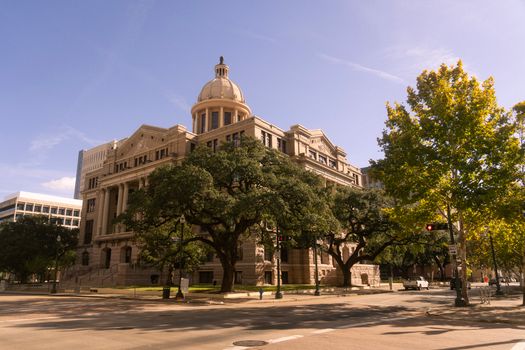
Stunning view of a historic courthouse building with trees, in downtown Houston, Texas. Photo: Photo Eddie O. / Pexels
The dream of homeownership often comes with a hefty price tag, but in Texas, there's a unique avenue that can make it more attainable: foreclosed homes. The Lone Star State, with its diverse geography and robust economy, frequently presents opportunities for buyers to acquire properties at significantly reduced prices through foreclosure sales. Understanding this market is the first crucial step for any prospective buyer looking to capitalize on these deals. Foreclosure occurs when a homeowner defaults on their mortgage payments, leading the lender to repossess and sell the property to recover their losses. In Texas, the foreclosure process is predominantly non-judicial, meaning it typically doesn't involve court intervention, which can make the timeline faster compared to judicial foreclosure states. This expedited process can be both a blessing and a challenge for buyers, as opportunities can arise and disappear quickly. There are several stages at which a property can be purchased during the foreclosure process. The earliest stage is 'pre-foreclosure,' where the homeowner is in default but the property hasn't yet gone to auction. This phase allows for direct negotiation with the homeowner or lender, potentially leading to a short sale. If the property proceeds past pre-foreclosure, it typically moves to a public auction, often held on the first Tuesday of the month at the county courthouse. These auctions are cash-only affairs, presenting both the highest risk and potentially the greatest rewards. Properties are sold 'as-is,' with no opportunity for inspection beforehand, making due diligence paramount. Should a property not sell at auction, it reverts to the lender and becomes what's known as a Real Estate Owned (REO) property, or simply a bank-owned home. These are often considered the safest type of foreclosure purchase, as banks typically clear any outstanding liens and may even allow for inspections and traditional financing. Finally, there are government-owned foreclosures, such as HUD homes (FHA-insured loans), VA homes (VA-backed loans), and USDA homes (rural development loans), each with specific buying processes and eligibility requirements. Each type of foreclosure offers distinct advantages and disadvantages, from pricing to risk level and financing options. For instance, while auction properties can yield the lowest prices, they also come with the highest 'as-is' risk and require immediate cash. REO properties, while potentially slightly higher in price than auction finds, offer more stability and access to inspections and conventional financing. Government-owned homes often have programs designed to help first-time homebuyers or those with specific income requirements. A thorough understanding of these distinctions is critical for anyone looking to successfully navigate the market for real estate in Texas, particularly when targeting foreclosed properties. Knowing which stage aligns with your risk tolerance, financial capacity, and investment goals will significantly streamline your search and increase your chances of a successful acquisition.

Where to Find Foreclosed Homes For Sale in Texas

A realtor conducting a house tour with potential buyers on the stairs of a modern home. Photo: Kampus Production / Pexels
Finding foreclosed homes in Texas requires a multi-faceted approach, leveraging both online resources and local expertise. The digital age has made property searching more accessible than ever, but for foreclosures, it's essential to know which platforms and strategies yield the best results. One of the primary online resources is aggregator websites that specialize in distressed properties. Sites like RealtyTrac, Zillow Foreclosures, and Auction.com compile listings from various sources, including bank-owned properties, government foreclosures (HUD, VA, USDA), and pre-foreclosures. These platforms often allow you to filter by location, property type, and foreclosure stage, making it easier to pinpoint opportunities in specific Texas regions, from bustling metros like Houston and Dallas to smaller, growing communities. Beyond these general platforms, specific government websites are invaluable for certain types of foreclosures. For instance, HUDHomeStore.com is the official site for FHA foreclosures, offering properties exclusively to owner-occupant buyers for a limited period before opening to investors. Similarly, VA.gov lists properties acquired through VA loan foreclosures. These government sites can be excellent starting points, especially for buyers who meet specific eligibility criteria and are looking for a primary residence. However, online searches are just one piece of the puzzle. Local real estate agents specializing in foreclosures and distressed properties are indispensable. These agents often have access to Multiple Listing Service (MLS) listings that may not immediately appear on public sites, and they possess intricate knowledge of the local market, including upcoming auctions and bank-owned inventory. They can also help navigate the complex paperwork and unique negotiation strategies involved in foreclosure purchases. Building a relationship with such an agent can give you a significant edge in a competitive market. Another crucial source for pre-foreclosure and auction information is public records. County clerk offices publish notices of trustee sales (foreclosure auctions), which are typically advertised in local newspapers and posted at the county courthouse. While this method requires more legwork, it can provide early access to properties before they hit broader online platforms. Investors often monitor these public records closely to identify potential deals. Finally, networking within the real estate investment community can open doors to off-market deals. Attending local real estate investor association meetings or joining online forums can connect you with individuals who have insights into distressed properties or are looking to offload foreclosures they've acquired. Utilizing a combination of these methods – comprehensive online searching, engaging with specialized real estate professionals, monitoring public records, and networking – will significantly enhance your ability to find valuable real estate opportunities among the foreclosed homes for sale in Texas.

Financing and Due Diligence for Texas Foreclosures

Real estate agent making a phone call while holding documents near home for sale sign. Photo: Thirdman / Pexels
Securing financing and conducting thorough due diligence are perhaps the most critical steps when considering foreclosed homes for sale in Texas. The 'as-is' nature of many foreclosure sales means that buyers assume all risks associated with the property's condition, making meticulous preparation essential. For pre-foreclosures and REO properties, traditional mortgage financing is often available, similar to a standard home purchase. However, it's paramount to get pre-approved before you start seriously looking. A pre-approval letter from a lender not only clarifies your budget but also signals to sellers (especially banks) that you are a serious and capable buyer, which can be a significant advantage in a competitive market. Be prepared for potentially stricter appraisal requirements for distressed properties, as their condition can impact the lender's willingness to finance. Auction properties, on the other hand, almost universally require cash payment or highly specialized, short-term financing that acts as a bridge loan. Buyers must typically have the full purchase price available at the time of sale, or at least a substantial deposit, with the remainder due within a very short timeframe. This requirement naturally limits the pool of buyers, but it also presents opportunities for those with liquid capital to acquire properties at deep discounts. If you're considering an auction, consult with a lender who specializes in foreclosure financing well in advance to understand your options and ensure you meet the stringent financial demands. Regardless of the foreclosure stage, due diligence cannot be overstated. For REO properties, banks will often allow inspections, which you should absolutely utilize. Hire a qualified home inspector to assess the property's structural integrity, major systems (HVAC, plumbing, electrical), and potential hidden issues like mold or foundation problems. Remember, banks are looking to offload these properties quickly and are unlikely to make repairs. Factor any identified issues into your offer. For auction properties, inspections are typically not permitted, which elevates the risk significantly. In these cases, due diligence involves driving by the property, researching its history, checking for visible exterior damage, and examining public records for any outstanding liens or permits. It's also wise to consult with a local real estate attorney to understand potential title issues or other legal encumbrances that might attach to the property after an auction. Understanding the local market is also part of due diligence. Research comparable sales (comps) in the area to determine a realistic market value for the property once repairs are made. Factor in the cost of those repairs when calculating your maximum offer. For example, if a property in Houston requires extensive foundation work, that cost must be subtracted from its potential market value to determine if the foreclosure price is still a good deal. Failing to account for repair costs can quickly turn a perceived bargain into a financial burden. By meticulously planning your financing and exhaustively performing due diligence, you can significantly mitigate the risks associated with buying real estate foreclosures and increase your chances of a successful and profitable investment in Texas.

Common Pitfalls and Smart Strategies for Buyers
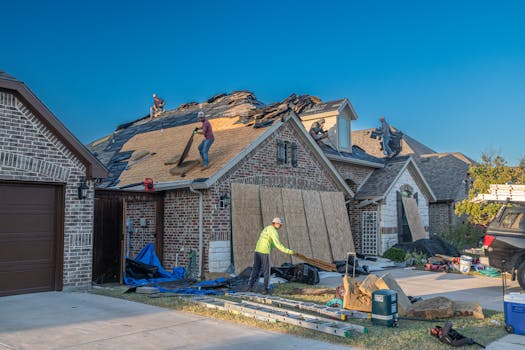
Workers engage in roof replacement on a brick house in Fort Worth, Texas. Photo: Ryan Stephens / Pexels
While the allure of deeply discounted foreclosed homes for sale in Texas is strong, buyers must be aware of common pitfalls and employ smart strategies to succeed. Ignoring these can turn a potential bargain into a costly headache. **Common Pitfalls:** * **Underestimating Repair Costs:** Many foreclosures are sold 'as-is' and may have suffered neglect or even intentional damage. Buyers often underestimate the true cost of necessary repairs, from minor cosmetic fixes to major structural issues like foundation problems common in parts of Texas. Without a thorough budget for renovations, initial savings can quickly evaporate. * **Unforeseen Liens and Encumbrances:** Especially with auction properties, buyers can inherit existing liens (e.g., unpaid property taxes, HOA dues, contractor liens) that become their responsibility. While REO properties are usually cleared of major liens by the bank, it's crucial to perform a title search. * **Lack of Inspection Opportunities:** Auction properties rarely allow for pre-purchase inspections, meaning you're buying sight unseen. This carries significant risk, as you won't know the true condition until after the sale. * **Competitive Bidding:** Popular foreclosure properties, particularly those in desirable Texas markets, can attract fierce competition, driving prices up and sometimes exceeding true market value. * **Eviction Challenges:** If the previous occupants haven't vacated the property, the new owner may be responsible for the eviction process, which can be time-consuming and expensive. **Smart Strategies for Buyers:** 1. **Build a Strong Team:** Partner with a real estate agent specializing in foreclosures, a trusted home inspector (for REOs), a real estate attorney, and a reliable contractor. Their expertise is invaluable. 2. **Secure Financing Early:** Get pre-approved for a mortgage for REO properties or have cash readily available for auctions. This demonstrates serious intent and speeds up the process. 3. **Conduct Comprehensive Due Diligence:** For REOs, always get a professional inspection. For auctions, research public records, drive by the property, and investigate comparable sales thoroughly. 4. **Budget for the Unexpected:** Create a detailed repair budget, then add a contingency fund (15-20%) for unforeseen issues. This prevents financial surprises. 5. **Understand the Local Market:** Research specific neighborhoods and property values in Texas cities like Austin, San Antonio, or El Paso. Knowing the local market helps you determine a fair offer price. 6. **Be Patient and Persistent:** Finding the right foreclosure deal can take time. Don't rush into a purchase that doesn't align with your financial goals and risk tolerance. 7. **Consider Owner-Occupant Programs:** If you plan to live in the home, explore government-owned foreclosures (HUD, VA) as they often offer priority bidding periods for owner-occupants, reducing investor competition. By proactively addressing these potential pitfalls and employing these smart strategies, buyers can significantly improve their chances of a successful and profitable purchase of foreclosed homes in Texas.

Comparison

FeatureREO (Bank-Owned)Foreclosure AuctionPre-Foreclosure (Short Sale)
ConditionOften 'as-is', but may allow inspectionStrictly 'as-is', no inspectionVaries, owner may allow inspection
FinancingTraditional mortgage possibleCash or specialized loan requiredTraditional mortgage possible
Risk LevelModerate (title usually clear)High (potential liens, no inspection)Moderate (can be lengthy, lender approval)
Purchase PriceGood discount, but higher than auctionPotentially lowest priceModerate discount, but lender approval needed
TimelineComparable to traditional saleVery fast (immediate closing)Can be very long, uncertain
Negotiation✓ (with bank)✗ (fixed bidding)✓ (with homeowner & lender)
Title Cleanliness✓ (usually cleared by bank)✗ (buyer's responsibility)✓ (usually cleared at closing)
Eviction Responsibility✗ (bank usually handles)✓ (buyer's responsibility)✗ (seller's responsibility)

What Readers Say

"I found a fantastic deal on a foreclosed home in Dallas through an REO listing. The process was smoother than I expected, and while it needed some work, the savings were substantial. It's now my dream home thanks to finding foreclosed homes for sale in Texas!"

Sarah J. · Dallas, Texas

"Working with a specialized agent to find foreclosed homes for sale in Texas was key. They helped me navigate the complexities of a bank-owned property, and I ended up getting a great investment property in a growing neighborhood."

Mark T. · Houston, Texas

"We were able to purchase our first home, a foreclosed property, at 25% below market value. The extra equity allowed us to customize it exactly how we wanted. It truly changed our homeownership journey."

Jessica L. · Austin, Texas

"The auction process for foreclosed homes for sale in Texas is intense and definitely not for the faint of heart. While I did secure a property at a very low price, the 'as-is' condition meant immediate, significant repair costs. Be prepared!"

David R. · San Antonio, Texas

"As an investor, foreclosed homes for sale in Texas are a staple of my portfolio. The opportunities are consistent, and with the right research and team, the returns can be excellent. It's a challenging but rewarding niche."

Maria K. · El Paso, Texas

Frequently Asked Questions

What is the difference between a pre-foreclosure, auction, and REO property in Texas?

A pre-foreclosure is when a homeowner is behind on payments but the property hasn't been repossessed yet, allowing for potential short sales. An auction is a public sale of the property, typically for cash, after the lender repossesses it. An REO (Real Estate Owned) property is one that failed to sell at auction and is now owned by the lender, generally offering more traditional buying processes.

Are foreclosed homes in Texas always a good deal?

While foreclosed homes often offer significant discounts, they are not always a good deal. Many are sold 'as-is' and may require substantial repairs. It's crucial to factor in all potential costs, including renovations, closing costs, and any unforeseen issues, to determine if it's truly a beneficial purchase.

How can I find foreclosed homes for sale in Texas?

You can find foreclosed homes in Texas through various channels: specialized real estate agents, online foreclosure listing sites (e.g., RealtyTrac, Zillow Foreclosures), government websites (HUDHomeStore.com, VA.gov), and public records at county courthouses for auction notices.

What kind of financing is available for foreclosed properties?

For REO and pre-foreclosure properties, traditional mortgage financing is often available, similar to a standard home purchase. However, foreclosure auctions typically require cash payment or specialized bridge loans due to the expedited nature of the sale. Always get pre-approved for your specific situation.

How does buying a foreclosed home compare to a traditional home purchase?

Buying a foreclosed home often involves more risk due to 'as-is' conditions, potentially complex paperwork, and faster timelines (especially at auction). While it can offer significant savings, it requires more due diligence, specialized knowledge, and a higher tolerance for uncertainty compared to a traditional home purchase.

Who should consider buying foreclosed homes in Texas?

Foreclosed homes are ideal for experienced investors looking for high-return opportunities, handy homeowners willing to undertake renovations, or buyers with significant cash reserves. Those seeking substantial discounts and who are comfortable with potential risks and extra legwork will find this market appealing.

What are the biggest risks associated with buying foreclosed homes?

The biggest risks include inheriting unforeseen property damage or structural issues ('as-is' sales), undisclosed liens or title issues (especially at auction), potential eviction processes for previous occupants, and intense competition driving up prices. Thorough due diligence is essential to mitigate these risks.

What trends are impacting the foreclosed homes market in Texas?

The Texas foreclosed homes market is influenced by interest rates, economic stability, and housing inventory. While historically a strong market, economic downturns can increase foreclosure rates, creating more opportunities. Current trends suggest a fluctuating market, making expert guidance crucial for buyers.

Ready to discover your next property gem? Explore the vast opportunities among foreclosed homes for sale in Texas and unlock the potential for significant savings and a rewarding investment. Start your informed search today and make your homeownership or investment dreams a reality.

Topics: foreclosed homes for sale in texastexas foreclosure propertiesbank-owned homes texashud homes texasrepo homes texas
Leo List

IE Escorts NO Escorts US Escorts NZ Escorts AU Escorts
Brampton weed
Adultwork EstrelaBet Vai de Bet R7 Bet Betão Galera Bet Rainbet Bet9ja Shop SportyBet BetKing Sisal Loto Foot Hollywoodbets YesPlay Odibets RushBet Jugabet BetWarrior BetCity MSport betPawa Fortebet