✓ Over 2,500 assistance programs exist nationwide.
✓ Many programs offer down payment and closing cost assistance.
✓ FHA, VA, and USDA loans are popular federal options.
✓ Credit score requirements can be more flexible for first-time buyers.
How It Works
1
Assess Your Eligibility
Understand income limits, credit score requirements, and other criteria for various programs. This initial check helps narrow down your options.
2
Explore Program Types
Research federal, state, and local programs, including grants, low-interest loans, and mortgage credit certificates. Each type offers unique benefits.
3
Get Pre-Approved
Work with a lender familiar with first-time buyer programs to get pre-approved for a mortgage. This clarifies your budget and strengthens your offer.
4
Apply and Close
Submit your application with all required documentation and work closely with your lender and real estate agent. Navigate the closing process with confidence.
Understanding Federal First-Time Home Buyer Programs
Photo: David Dibert / Pexels
For many aspiring homeowners in the United States, the dream of owning a home can seem daunting, particularly when faced with the significant hurdle of a down payment and closing costs. Fortunately, a robust landscape of federal first time home buyer programs USA exists to ease this burden and make homeownership a tangible reality. These programs are designed to provide financial assistance, favorable loan terms, and educational resources to individuals and families who meet specific criteria, primarily focusing on those purchasing their first home. Understanding these federal options is the crucial first step in navigating the homebuying journey. The three most prominent federal programs are FHA loans, VA loans, and USDA loans, each catering to different segments of the population with unique benefits and requirements.
FHA loans, insured by the Federal Housing Administration, are perhaps the most well-known and widely used federal program for first-time buyers. They are attractive due to their lower down payment requirements, often as low as 3.5% of the purchase price, and more flexible credit score guidelines compared to conventional loans. This makes them accessible to a broader range of buyers who might not have pristine credit or a large sum saved for a down payment. While FHA loans require mortgage insurance premiums (MIP), both upfront and annual, the benefits of easier qualification often outweigh this cost for many first-time purchasers. It's important to note that the property being purchased must meet certain FHA appraisal standards to ensure it is safe, sound, and secure. Exploring FHA loan specifics can provide a deeper understanding of their advantages and limitations.
VA loans, guaranteed by the U.S. Department of Veterans Affairs, are an exceptional benefit for eligible service members, veterans, and surviving spouses. The standout feature of VA loans is the ability to purchase a home with no down payment required, a significant advantage that can save buyers tens of thousands of dollars upfront. Furthermore, VA loans typically come with competitive interest rates and do not require private mortgage insurance (PMI), further reducing monthly housing costs. Eligibility for a VA loan depends on service history, and while there is a VA funding fee, it can often be financed into the loan or waived for certain disability-related circumstances. This program represents one of the most powerful tools available for those who have served our country.
USDA Rural Development loans, backed by the U.S. Department of Agriculture, are designed to promote homeownership in eligible rural and suburban areas. Similar to VA loans, USDA loans often allow for 100% financing, meaning no down payment is required. They also offer competitive interest rates and reduced mortgage insurance costs compared to FHA loans. However, eligibility for USDA loans is tied to specific geographic locations and income limits, which vary by region and household size. The property must be located in an eligible rural area, and the borrower's income cannot exceed 115% of the area's median income. These programs collectively provide a robust safety net and opportunity for many Americans to achieve the dream of homeownership, making the first time home buyer programs USA a vital resource.
State and Local First-Time Home Buyer Assistance Programs
Photo: Stephen Leonardi / Pexels
Beyond the federal offerings, the landscape of first time home buyer programs USA is further enriched by a myriad of state and local initiatives. These programs are often tailored to address specific housing needs and economic conditions within a particular state, county, or city, providing an additional layer of support that can be crucial for many buyers. While federal programs lay a broad foundation, state and local programs frequently fill the gaps, offering down payment assistance, closing cost grants, and even specialized loan products that complement or can be layered with federal loans. This localized approach ensures that assistance is targeted where it's most needed, reflecting the diverse housing markets across the country.
State Housing Finance Agencies (HFAs) are typically the primary administrators of these programs. Each state HFA operates independently, meaning the types of assistance, eligibility criteria, and available funds can vary significantly from one state to another. Common offerings include down payment assistance (DPA) programs, which might come in the form of a grant (money that doesn't need to be repaid), a second mortgage with deferred payments, or a low-interest loan. Some states also offer Mortgage Credit Certificates (MCCs), which provide a federal tax credit for a portion of the mortgage interest paid each year, effectively reducing a homeowner's tax liability and making homeownership more affordable. These state-specific programs often have income limits and purchase price limits that are adjusted annually to reflect local economic conditions.
Local programs, often run by county or city housing departments, non-profit organizations, or community development corporations, offer even more localized support. These programs might target specific neighborhoods for revitalization, offer assistance to essential workers (like teachers, police officers, or firefighters), or provide grants for energy-efficient home improvements. For example, a city might offer a grant for first-time buyers purchasing within its urban core, or a county might have a program specifically for low-to-moderate income families. The key to accessing these local programs is diligent research, often starting with the local government's housing department website or a reputable non-profit housing counseling agency.
Many state and local programs can be combined with federal loans like FHA, VA, or USDA loans, creating a powerful synergy that maximizes financial assistance. For instance, a first-time buyer might secure an FHA loan with its low down payment, and then use a state-sponsored down payment assistance program to cover the 3.5% FHA requirement, effectively achieving a zero or near-zero out-of-pocket down payment. This stacking of programs is a game-changer for many, turning what seems like an insurmountable financial barrier into a manageable step towards homeownership. Navigating these options requires careful attention to detail and often the guidance of a lender or housing counselor experienced in these multi-layered assistance structures. The sheer volume and variety of state and local first time home buyer programs USA underscore the commitment to making homeownership accessible across diverse communities.
Navigating Eligibility and Application for Home Buyer Programs
Photo: Kindel Media / Pexels
Embarking on the journey to homeownership with the help of first time home buyer programs USA requires a thorough understanding of eligibility criteria and a meticulous application process. While the benefits of these programs are substantial, they are not universally available and come with specific requirements designed to ensure funds are allocated effectively. Successfully navigating these prerequisites is paramount to unlocking the financial assistance and favorable terms that can make your first home purchase a reality. It's crucial to approach this stage with patience and attention to detail, gathering all necessary documentation and seeking expert advice when needed. Understanding the home buying process in general will also greatly assist in this stage.
Common eligibility factors across most first-time home buyer programs include income limits, credit score requirements, and the definition of a 'first-time buyer.' Income limits are often set as a percentage of the Area Median Income (AMI) and vary significantly by location and household size. These limits ensure that assistance is directed towards individuals and families who truly need it. Credit score requirements, while generally more lenient than conventional loans for programs like FHA, still play a vital role. Lenders will assess your credit history to determine your ability to repay the loan, and while some programs might accept scores as low as 580, a higher score will typically result in better interest rates and more favorable terms. The definition of a 'first-time buyer' usually means someone who has not owned a home in the past three years, though exceptions can exist for single parents, displaced homemakers, or those purchasing in a federally designated targeted area.
Beyond these core requirements, many programs also mandate homebuyer education courses. These courses, often offered by HUD-approved counseling agencies, are designed to equip prospective homeowners with the knowledge and tools needed to make informed decisions throughout the homebuying process and to sustain homeownership in the long term. Topics typically cover budgeting, credit management, understanding mortgage terms, and maintaining a home. While seemingly an extra step, these courses are invaluable for first-time buyers, providing a solid foundation for responsible homeownership.
The application process itself involves several key steps. First, it's essential to get pre-qualified or pre-approved for a mortgage. This involves providing financial documentation to a lender, who will assess your income, assets, debts, and credit history to determine how much you can afford to borrow. This pre-approval is not only a crucial step in understanding your budget but also strengthens your offer when you find a home, showing sellers you are a serious and qualified buyer. Once pre-approved, you'll need to work with your lender to identify which specific first time home buyer programs USA you qualify for and then complete the necessary applications, providing all required documentation, which can include tax returns, pay stubs, bank statements, and more. Working with a lender who specializes in these programs can significantly streamline this complex process, ensuring you don't miss out on any available assistance.
Key Tips and Common Pitfalls for First-Time Home Buyers
Photo: RDNE Stock project / Pexels
Navigating the world of first time home buyer programs USA can be incredibly rewarding, but it also comes with its share of complexities. To ensure a smooth and successful homebuying journey, it's essential to be well-prepared and aware of both helpful tips and potential pitfalls.
**Tips for Success:**
* **Start Early with Financial Planning:** Begin saving for a down payment and closing costs well in advance, even if you plan to use assistance programs. Having some personal savings provides a buffer and can open up more options.
* **Improve Your Credit Score:** A higher credit score translates to better interest rates and more favorable loan terms. Pay bills on time, reduce debt, and avoid opening new credit accounts before applying for a mortgage.
* **Get Pre-Approved, Not Just Pre-Qualified:** A pre-approval is a more robust commitment from a lender, based on verified financial information. This makes your offer more attractive to sellers in a competitive market.
* **Work with Experienced Professionals:** Choose a real estate agent and a mortgage lender who specialize in first-time home buyer programs. Their expertise can be invaluable in identifying eligible properties and navigating complex program requirements.
* **Attend Homebuyer Education:** Many programs require it, but even if not, these courses offer critical knowledge on budgeting, loan types, and home maintenance, preparing you for responsible homeownership.
* **Research All Available Programs:** Don't just stop at federal options. Investigate state, county, and city-specific programs, as well as non-profit grants, which can often be stacked for maximum benefit.
**Common Pitfalls to Avoid:**
* **Ignoring the Total Cost of Homeownership:** Beyond the mortgage, remember to budget for property taxes, homeowner's insurance, utilities, maintenance, and potential HOA fees. These can significantly impact your monthly expenses.
* **Changing Your Financial Situation:** Avoid making major financial changes (e.g., quitting a job, taking on new debt, making large purchases) between pre-approval and closing. This can jeopardize your loan approval.
* **Underestimating Closing Costs:** These fees, which can range from 2-5% of the loan amount, are often overlooked. Factor them into your budget, and look for programs that offer closing cost assistance.
* **Skipping the Home Inspection:** Even with new construction, a professional home inspection is crucial. It can uncover costly issues that might not be apparent during a walkthrough, saving you significant money and headaches down the line.
* **Not Reading the Fine Print:** Understand the terms of any assistance program, especially if it involves a second mortgage or recapture clauses (where you might have to repay assistance if you sell the home within a certain period).
* **Emotional Buying Decisions:** While exciting, avoid letting emotions override logic. Stick to your budget, and ensure the home meets your long-term needs and financial capabilities.
By keeping these tips and pitfalls in mind, first-time home buyers can approach the process with confidence, leveraging the many available programs to achieve their dream of homeownership.
Comparison
Feature
FHA Loan
VA Loan
USDA Loan
Conventional Loan (First-Time Buyer)
Down Payment
3.5% minimum
0% minimum
0% minimum
3% minimum (with specific programs)
Mortgage Insurance
Required (UFMIP & Annual MIP)
No PMI
Required (Upfront & Annual Guarantee Fee)
Required if <20% down (PMI)
Eligibility
Flexible credit, income limits
Eligible service members/veterans
Income/property location limits
Good credit, stable income
Credit Score
Lower scores accepted (e.g., 580+)
Flexible, lender specific
Flexible, lender specific
Typically 620+
Property Type
1-4 unit primary residence
1-unit primary residence
1-unit primary residence (rural)
1-4 unit primary residence
What Readers Say
★★★★★
"The FHA loan program was a lifesaver for us. We only had a small down payment saved, and it allowed us to buy our first home without waiting years. The process was explained clearly, and we felt supported every step of the way with these first time home buyer programs usa."
Sarah J. · Austin, TX
★★★★★
"As a veteran, the VA loan made homeownership a reality with no down payment. It saved us so much upfront cash, which we then used for renovations. I highly recommend looking into the first time home buyer programs usa if you've served."
Mark T. · Orlando, FL
★★★★★
"We qualified for a USDA loan in a charming rural area, and the 0% down payment was incredible. We thought we'd never afford a home, but this program changed everything for us. It's truly a fantastic option for first time home buyer programs usa."
Jessica L. · Boise, ID
★★★★★
"The state's down payment assistance program, combined with an FHA loan, helped us cover most of our upfront costs. The paperwork was a bit extensive, but the financial relief was absolutely worth it. A solid resource for first time home buyer programs usa."
David R. · Chicago, IL
★★★★★
"As a single mom, I didn't think homeownership was possible. But a local grant, paired with an FHA loan, made my dream come true. The first time home buyer programs usa are truly designed to help people like me."
Emily C. · Denver, CO
Frequently Asked Questions
What are the primary benefits of first time home buyer programs usa?
The primary benefits include lower down payment requirements, more flexible credit score criteria, competitive interest rates, and often assistance with closing costs. These programs significantly reduce the financial barriers to entry for new homeowners, making homeownership more accessible and affordable.
Will I have to pay back down payment assistance programs?
It depends on the specific program. Some down payment assistance comes as a grant, which does not need to be repaid. Others are structured as a second mortgage with deferred payments or even forgiveness after a certain period, while some may require repayment if you sell or refinance within a set timeframe. Always read the terms carefully.
How do I find first time home buyer programs specific to my state or city?
Start by contacting your state's Housing Finance Agency (HFA) or visiting their website. You can also reach out to your local city or county housing department, or consult with a HUD-approved housing counseling agency. Experienced mortgage lenders specializing in these programs can also guide you.
Are first time home buyer programs more expensive in the long run?
Not necessarily. While some programs, like FHA loans, require mortgage insurance, the overall cost can be lower due to reduced upfront expenses and competitive interest rates. The ability to avoid a large down payment often outweighs the cost of mortgage insurance for many first-time buyers, making homeownership achievable sooner.
How do federal programs like FHA, VA, and USDA compare to conventional loans for first-timers?
Federal programs generally offer more lenient eligibility, lower down payments (or none for VA/USDA), and more flexible credit requirements compared to conventional loans. Conventional loans typically require higher credit scores and often a larger down payment to avoid private mortgage insurance (PMI), though some offer low-down-payment options for first-timers.
Who should consider using first time home buyer programs usa?
Anyone who has not owned a home in the last three years (or meets other specific first-time buyer definitions) and is looking for assistance with down payments, closing costs, or more flexible loan terms should consider these programs. They are particularly beneficial for those with limited savings or less-than-perfect credit.
What are the risks associated with first time home buyer programs?
The main risks include potentially higher interest rates or mortgage insurance premiums compared to a conventional loan with a large down payment. Some assistance programs may have recapture clauses, requiring repayment if you sell the home too soon. Understanding all terms and conditions is key to mitigating these risks.
How might first time home buyer programs evolve in the future?
Future programs may increasingly focus on energy-efficient homes, climate resilience, or specific demographic groups. Technology could streamline the application process, and there might be a greater emphasis on financial literacy and post-purchase support to ensure long-term homeownership success. Policy changes could also expand or modify existing benefits.
Ready to take the leap into homeownership? Explore the diverse first time home buyer programs USA available and discover the path that's right for you. Don't let the dream of owning a home remain just a dream – take the first step today.

 Photo: David Dibert / Pexels
 Photo: Stephen Leonardi / Pexels
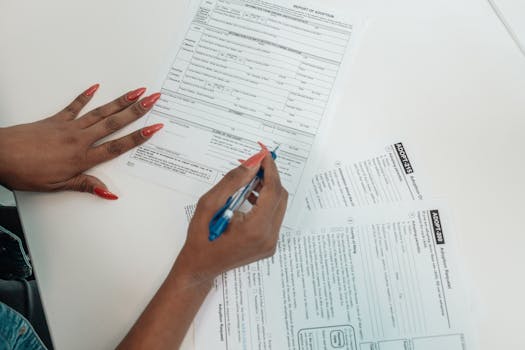 Photo: Kindel Media / Pexels
 Photo: RDNE Stock project / Pexels