The True Cost of Selling a House in New York Revealed
cost of selling a house in new york

The True Cost of Selling a House in New York Revealed

Navigate the complexities of selling your New York home with this essential guide to all potential expenses.

Calculate Your Net Profit

Key Takeaways

  • ✓ Seller closing costs in New York can range from 6% to 10% of the sale price.
  • ✓ Real estate agent commissions typically account for 5% to 6% of the sale price.
  • ✓ Transfer taxes are a significant expense, especially in NYC.
  • ✓ Attorneys are mandatory for real estate transactions in New York.
  • ✓ Preparation costs (repairs, staging) can significantly impact sale price.

How It Works

1
Initial Assessment & Agent Selection

Research local market values and interview multiple real estate agents to compare commission rates and marketing strategies. Understand the services each agent offers.

2
Pre-Sale Preparation & Disclosures

Address necessary repairs, declutter, and potentially stage your home. Gather all required disclosure documents and property records.

3
Negotiation & Contract Signing

Review offers, negotiate terms with the buyer, and sign the purchase agreement. Your attorney will play a crucial role in this stage.

4
Closing & Fund Distribution

Attend the closing, where all final documents are signed and funds are disbursed. All seller costs are typically deducted from the sale proceeds.

Understanding Real Estate Agent Commissions in New York
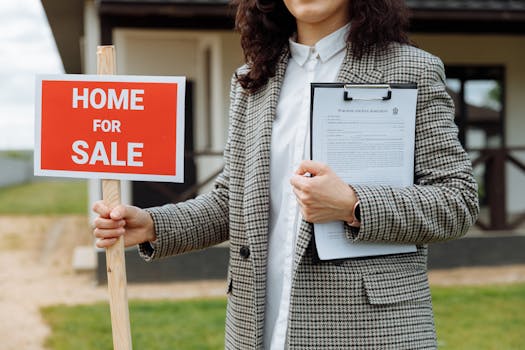
A real estate agent holding a home for sale sign and clipboard outside a property. Photo: Thirdman / Pexels
One of the most substantial expenses homeowners face when considering the cost of selling a house in New York is the real estate agent commission. This fee, typically paid by the seller, covers the services of both the listing agent (who represents you) and the buyer's agent. In New York, these commissions generally range from 5% to 6% of the final sale price. While this might seem like a straightforward percentage, it’s crucial to understand how it's calculated and what it entails. For instance, on a $500,000 home, a 6% commission would equate to $30,000. This amount is usually split between the two agents, often 50/50, but the exact split can vary based on the agreement between the brokers. It's important to note that commission rates are negotiable. While standard rates exist, a highly experienced agent with a proven track record might command a higher percentage, arguing that their expertise will lead to a quicker sale or a higher price, ultimately netting you more despite the higher fee. Conversely, in a hot market or if you're selling a very high-value property, you might have more leverage to negotiate a slightly lower rate. When interviewing agents, always discuss their commission structure, what services are included (professional photography, marketing, open houses, etc.), and what their strategy is for selling your specific property. Don't be afraid to ask for a detailed breakdown of their proposed marketing plan and how they justify their fee. Remember, a good agent is an investment, not just an expense, as they handle everything from pricing and marketing to negotiations and navigating complex legalities. Their expertise can significantly impact your net proceeds, making a thorough selection process vital. For more insights on finding the right professional, explore our guide on how to choose a real estate agent. This initial cost sets the stage for many other expenses you'll encounter.

Navigating New York's Transfer Taxes and Closing Costs for Sellers
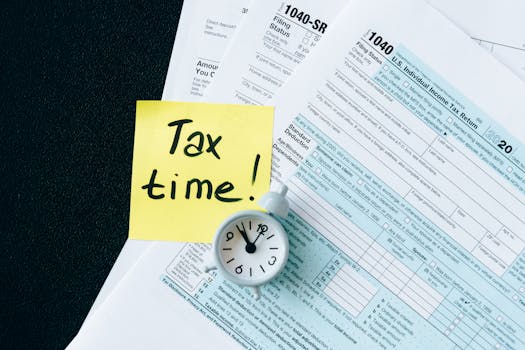
A stack of tax forms with a clock and yellow sticky note saying 'Tax time!' indicating urgency. Photo: Nataliya Vaitkevich / Pexels
Beyond agent commissions, sellers in New York face a range of closing costs, with transfer taxes being a particularly significant component, especially in New York City. New York State imposes a Real Estate Transfer Tax (RETT) of $4.00 per $1,000 of the sale price (0.4%). However, if the sale price is $3 million or more, an additional 'mansion tax' of 1% applies. This means a $4 million home sale would incur $16,000 in state transfer tax plus an additional $40,000 in mansion tax, totaling $56,000, solely for state-level transfer taxes. New York City has its own additional Real Property Transfer Tax (RPTT), which varies based on the property type and sale price. For residential properties under $500,000, the RPTT is 1% of the sale price. For residential properties at or above $500,000, it jumps to 1.425% of the sale price. Commercial properties have different rates. These taxes are typically paid by the seller and can add tens of thousands of dollars to your overall expenses, making them a critical factor in the cost of selling a house in New York. Understanding these specific tax rates for your property's location and value is essential for accurate budgeting. In addition to transfer taxes, other seller closing costs include attorney fees (mandatory in NY, typically $1,500 - $5,000+), title insurance fees (for the buyer's policy, often negotiated, but the seller pays for a portion or full cost of the buyer's title insurance), mortgage payoff fees (if applicable), and various recording fees. There might also be a flip tax or capital gains tax depending on the property type, your holding period, and profit. A clear understanding of these costs, often outlined in a closing statement, is paramount to avoid surprises and accurately estimate your net proceeds from the sale. Always consult with your attorney and real estate agent to get a precise breakdown of these costs for your specific transaction.

Pre-Sale Preparations: Investments That Pay Off When Selling Your New York Home

Inviting modern lounge with warm wooden accents and bright seating, in a New York apartment. Photo: Brent Singleton / Pexels
The cost of selling a house in New York isn't solely about commissions and closing fees; it also encompasses the crucial pre-sale preparations that can significantly impact your home's appeal and final sale price. While these costs are often optional, strategic investments here can lead to a quicker sale and a higher return. Common preparation expenses include minor repairs, painting, decluttering, cleaning, and professional staging. For instance, a fresh coat of neutral paint throughout the house can cost anywhere from $2,000 to $8,000+ depending on the size of your home and whether you hire professionals, but it can make a dramatic difference in how bright and spacious a home feels to prospective buyers. Addressing minor repairs, such as leaky faucets, loose doorknobs, or small wall imperfections, might seem trivial but can collectively give buyers the impression that the home has been well-maintained. Neglecting these small fixes can lead buyers to assume there are larger, more expensive problems lurking. Professional staging, especially for vacant homes or those with outdated decor, can transform a space and help buyers envision themselves living there. Staging costs can range from a few hundred dollars for a consultation to several thousand for furnishing key rooms, but studies often show a high return on investment in terms of sale price and speed. Additionally, professional cleaning (deep cleaning, window cleaning) and landscaping enhancements (trimming bushes, adding fresh mulch) contribute to strong curb appeal, which is the first impression a buyer gets. Don't forget the cost of professional photography and virtual tours, which are often covered by your real estate agent but sometimes require an additional investment for premium services. These upfront costs, while seemingly an additional burden, are strategic investments aimed at maximizing your sale price and minimizing the time your home spends on the market, directly influencing your ultimate profit. Consider these investments as essential for a successful transaction in the competitive New York real estate market. For broader advice on property enhancements, check out our article on home improvements with the best ROI.

Common Pitfalls and Smart Strategies to Reduce Your Selling Costs in New York

Selling a home in New York comes with many expenses, but smart strategies can help mitigate the overall cost of selling a house in New York. Avoiding common pitfalls is the first step towards a more profitable sale. **Common Pitfalls to Avoid:** * **Overpricing Your Home:** This is one of the biggest mistakes. An overpriced home sits on the market longer, often leading to price reductions and potentially a lower final sale price than if it had been priced correctly from the start. Extended market time also means prolonged carrying costs. * **Neglecting Minor Repairs:** As mentioned, small issues can deter buyers and lead to lower offers. Don't give buyers ammunition to negotiate down your price. * **Poor Marketing:** Subpar photos, inadequate descriptions, or limited online exposure can severely hamper your home's visibility and appeal. * **Not Interviewing Multiple Agents:** Settling for the first agent without comparing services and commission rates can cost you thousands. * **Ignoring Attorney Advice:** New York real estate law is complex. Not following your attorney's guidance can lead to costly legal issues or delays. **Smart Strategies to Reduce Costs:** * **Negotiate Commission:** While not always possible, don't shy away from discussing commission rates with agents, especially if your property is high-value or easy to sell. * **DIY Minor Prep Work:** If you're handy, take on painting, decluttering, and minor repairs yourself to save on labor costs. * **Compare Attorney Fees:** Get quotes from several reputable real estate attorneys. While expertise is key, fees can vary. * **Understand Tax Implications:** Consult with a tax professional to understand capital gains tax and other potential tax liabilities, and explore any available exemptions or deductions. * **Timely Mortgage Payoff:** Ensure you understand your mortgage payoff process and any associated fees to avoid last-minute surprises. This proactive approach ensures you maximize your net profit from the sale.

Comparison

Cost CategoryTypical Seller Expense Range (NY)Impact on Net ProceedsNegotiability
Real Estate Commission5% - 6% of sale priceHighLimited
NYS Transfer Tax0.4% (plus 1% 'mansion tax' over $3M)Medium to HighNo
NYC Transfer Tax1% - 1.425% (residential)Medium to HighNo
Attorney Fees$1,500 - $5,000+MediumYes
Title Insurance (Buyer's)Often negotiated, partial/full seller payMediumYes
Pre-Sale Repairs & Staging$0 - $10,000+Variable (investment)Yes (optional)
Mortgage Payoff Fees$0 - $500LowNo

What Readers Say

"Understanding the cost of selling a house in New York was overwhelming until I found this guide. It clearly broke down the transfer taxes and helped me budget accurately. I felt much more prepared for closing."

Sarah J. · Brooklyn, NY

"The insights on real estate agent commissions were invaluable. I negotiated a slightly lower rate after reading this, which saved me thousands on the cost of selling a house in New York."

Mark D. · Long Island, NY

"This article helped me realize the importance of pre-sale preparations. I invested in minor repairs and staging, which I believe led to my apartment selling above asking price, directly impacting my net proceeds positively."

Jessica L. · Manhattan, NY

"Very comprehensive overview of the cost of selling a house in New York. While some figures are estimates, it provided a fantastic framework for my budgeting. I appreciated the detail on NYC-specific taxes."

David S. · Queens, NY

"Even though I'm outside the city, the general principles about agent fees and attorney costs were spot-on. It gave me confidence to ask the right questions about the cost of selling a house in New York to my local professionals."

Emily R. · Upstate NY

Frequently Asked Questions

What is the average cost of selling a house in New York?

The average cost of selling a house in New York can range significantly, but typically falls between 6% and 10% of the sale price. This includes real estate agent commissions (5-6%), state and local transfer taxes (which vary greatly by location and price point), attorney fees, and other closing costs. Pre-sale preparation expenses are additional and variable.

Are real estate agent commissions negotiable in New York?

Yes, real estate agent commissions are generally negotiable in New York. While standard rates exist, factors like market conditions, the value of your home, and the agent's services can influence the final agreed-upon percentage. It's always advisable to interview multiple agents and discuss their commission structure.

How do I calculate the New York State Transfer Tax?

The New York State Real Estate Transfer Tax (RETT) is $4.00 per $1,000 of the sale price (0.4%). If your property sells for $3 million or more, an additional 'mansion tax' of 1% applies to the entire sale price. For example, a $1,000,000 home would incur $4,000 in state transfer tax.

Is an attorney required to sell a house in New York?

Yes, in New York, it is legally required to have an attorney represent you during a real estate transaction, both for buying and selling. Your attorney will draft and review contracts, handle legal disclosures, and ensure a smooth closing process, protecting your interests throughout.

What is the difference between seller closing costs in NYC vs. Upstate NY?

The primary difference lies in the additional New York City Real Property Transfer Tax (RPTT), which significantly increases seller closing costs within the five boroughs. Upstate New York sellers typically only pay the New York State Real Estate Transfer Tax, while NYC sellers pay both the state and city transfer taxes, making the cost of selling a house in New York City substantially higher.

Who typically pays for title insurance in a New York home sale?

In New York, the buyer typically pays for their lender's title insurance policy, which protects the lender's interest. However, sellers often pay for the buyer's title insurance policy, which protects the buyer's ownership interest. This is a common negotiation point, and the exact arrangement can vary based on the contract and local customs.

Are there any hidden costs when selling a house in New York?

While most major costs are disclosed, potential 'hidden' costs can include unexpected repair requests from a buyer after an inspection, capital gains tax if you've made a significant profit and don't qualify for exclusions, or fees associated with expediting documents. Thorough preparation and a good legal team can help minimize these surprises.

How will new real estate technology impact the cost of selling a house in New York?

New real estate technology, such as AI-powered valuation tools, virtual staging, and online closing platforms, could potentially streamline processes and reduce some administrative costs. However, the core expenses like agent commissions and transfer taxes are largely regulated or market-driven, so while technology may offer efficiencies, significant reductions in the overall cost of selling a house in New York might be gradual.

Don't let the complexities of selling your New York home deter you. By understanding the full cost of selling a house in New York, you can budget effectively, make informed decisions, and ensure a successful and profitable transaction. Take the first step towards a confident sale today by consulting with a local real estate expert.

Topics: cost of selling a house in new yorknew york real estate feesseller closing costs NYreal estate commission NYnet proceeds home sale
Leo List

IE Escorts NO Escorts US Escorts NZ Escorts AU Escorts
Brampton weed
Adultwork EstrelaBet Vai de Bet R7 Bet Betão Galera Bet Rainbet Bet9ja Shop SportyBet BetKing Sisal Loto Foot Hollywoodbets YesPlay Odibets RushBet Jugabet BetWarrior BetCity MSport betPawa Fortebet