
Commercial Real Estate for Sale: Your Ultimate Guide
Navigate the dynamic US market for commercial properties with expert insights to secure your next profitable investment.
Find Your PropertyKey Takeaways
- ✓ The US commercial real estate market is vast, encompassing retail, office, industrial, multifamily, and special-purpose properties.
- ✓ Understanding local market dynamics, zoning laws, and economic indicators is crucial for successful investment.
- ✓ Financing options for commercial real estate differ significantly from residential mortgages, often requiring higher down payments.
- ✓ Due diligence is paramount, involving detailed inspections, environmental assessments, and legal reviews before purchase.
How It Works
Clearly articulate your objectives, whether it's for owner-occupancy, income generation, or capital appreciation. This clarity will guide your property search and evaluation.
Before seriously looking, obtain pre-approval for commercial financing. This strengthens your offer and clarifies your budget, streamlining the buying process.
Utilize online platforms, brokers, and local networks to identify suitable commercial real estate for sale. Focus on properties that align with your defined goals and market research.
Once a property is under contract, execute comprehensive due diligence including inspections, appraisals, and legal reviews. Work with professionals to ensure a smooth closing process.
Understanding the Commercial Real Estate for Sale Market
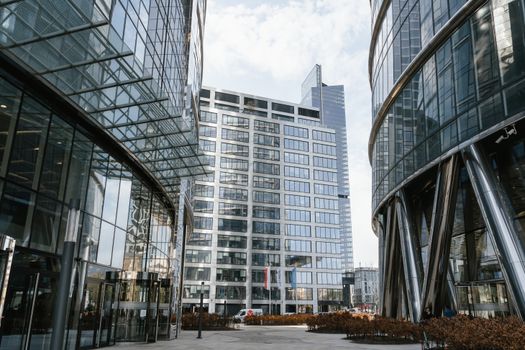 Photo: MART PRODUCTION / Pexels
The US market's sheer size and regional variations mean that 'commercial real estate for sale' can mean vastly different things depending on the location. Major metropolitan areas like New York, Los Angeles, and Chicago often feature high-value, high-demand properties with lower cap rates but strong appreciation potential. Conversely, secondary and tertiary markets might offer higher cap rates and more accessible entry points, though potentially with slower growth or higher vacancy risks. Economic factors, population shifts, and local zoning laws play a significant role in shaping these regional markets. A thriving local economy with job growth and increasing population will naturally drive demand for commercial spaces, impacting property values and rental rates.
Furthermore, the current economic climate, interest rates, and lending policies significantly influence the viability and attractiveness of commercial real estate investments. Rising interest rates can increase borrowing costs, potentially dampening investor enthusiasm, while strong economic forecasts can spur development and expansion. Keeping abreast of these macroeconomic trends, alongside specific local market conditions, is essential for making informed decisions. Engaging with local commercial real estate brokers and market analysts can provide invaluable insights into specific submarkets and property types. They often have access to proprietary data and off-market listings that aren't publicly advertised, giving savvy buyers a competitive edge. Exploring various real estate types is crucial to align with your investment strategy.
The regulatory environment, including zoning ordinances, building codes, and environmental regulations, also profoundly impacts commercial properties. A property's zoning dictates its permissible uses, which can either enhance or restrict its potential value. Before committing to any purchase, a thorough review of these regulations is non-negotiable. Environmental assessments are also critical, particularly for industrial or older properties, to identify any potential liabilities related to hazardous materials. Ignoring these aspects can lead to costly delays, legal issues, or unforeseen expenses down the line. Therefore, a holistic approach that considers market dynamics, economic indicators, and regulatory frameworks is fundamental to successfully acquiring commercial real estate for sale.
Financing Your Commercial Property Acquisition
 Photo: Monstera Production / Pexels
Traditional bank loans are a common route, offered by national, regional, and local banks. These loans often come with competitive interest rates and terms but can have rigorous application processes and require substantial documentation. The loan-to-value (LTV) ratio for commercial properties is generally lower than for residential, meaning borrowers typically need to put down 20-30% or more of the property's purchase price. For smaller commercial properties or owner-occupied businesses, Small Business Administration (SBA) loans, such as the SBA 7(a) or SBA 504 programs, can be an excellent option. These government-backed loans often feature lower down payments and longer repayment terms, making them more accessible for small and medium-sized enterprises.
Beyond traditional banks and SBA programs, other financing avenues include conduit loans (CMBS), private lenders, and hard money loans. CMBS loans are secured by a pool of commercial mortgages and sold as bonds to investors, offering another source of capital for larger transactions. Private lenders and hard money loans typically offer faster approvals and more flexible terms but come with higher interest rates and fees, often used for short-term financing or properties that don't qualify for traditional loans due to unique circumstances or the borrower's credit profile.
When applying for commercial financing, lenders will meticulously evaluate several factors. These include the property's income and expense statements, lease agreements, an appraisal of the property's value, and a detailed business plan if the property is for owner-occupancy. The borrower's financial statements, tax returns, and credit history will also be scrutinized. A strong balance sheet, solid credit score, and proven business acumen can significantly improve your chances of securing favorable loan terms. It's advisable to engage with a commercial mortgage broker who specializes in this field. They can help navigate the complex lending landscape, compare offers from multiple lenders, and structure a financing package that best suits your investment goals and financial situation. Pre-approval for financing is a powerful tool; it not only clarifies your budget but also signals to sellers that you are a serious and qualified buyer, which can be a significant advantage in competitive markets. Understanding the various options and preparing thoroughly will make the financing process for commercial real estate for sale much smoother and more successful.
The Due Diligence Process for Commercial Real Estate
 Photo: RDNE Stock project / Pexels
The scope of due diligence is extensive and typically includes legal, financial, and physical assessments. From a legal standpoint, buyers must review title reports, surveys, zoning regulations, and any existing leases, easements, or encumbrances. The title report ensures clear ownership and identifies any liens or claims against the property. Zoning verification confirms that the intended use of the property is permissible and that there are no restrictions that could hinder future development or operations. For income-generating properties, a meticulous review of all existing leases is paramount. This includes verifying rent rolls, lease terms, tenant financials, and any clauses that could impact future income or expenses. Understanding the tenant mix and lease expiration schedule is crucial for assessing cash flow stability and potential vacancy risks.
Physically, due diligence involves property inspections, environmental assessments, and potentially geotechnical reports. A professional property inspection will identify structural issues, deficiencies in HVAC, plumbing, electrical, and roofing systems, and other maintenance concerns. These findings can be used to negotiate repairs or a price reduction. Environmental Phase I and Phase II assessments are particularly important for commercial properties, especially those with a history of industrial use. Phase I identifies potential environmental contamination, while Phase II involves intrusive testing if contamination is suspected. Overlooking environmental liabilities can result in significant remediation costs and legal repercussions.
Financially, buyers must scrutinize the property's operating history, including income and expense statements, utility bills, and property tax records. This financial deep dive helps verify the seller's representations and project future cash flows and returns. It's also wise to research the local market for comparable sales and rental rates to validate the property's valuation. Engaging a qualified commercial real estate attorney, an experienced property inspector, and environmental consultants is non-negotiable during this phase. Their expertise provides a layer of protection and ensures that all critical aspects are thoroughly vetted. The due diligence period is the buyer's opportunity to mitigate risks and confirm the property aligns with their investment objectives. Understanding real estate contracts is a key part of this process. It's an investment in certainty, safeguarding against unforeseen problems and ensuring a sound acquisition of commercial real estate for sale.
Tips for Successful Commercial Real Estate Acquisition
 Photo: Ron Lach / Pexels
- Assemble a Strong Team: Don't go it alone. Surround yourself with experienced professionals including a commercial real estate broker, an attorney specializing in commercial real estate, a commercial lender, an accountant, and a property inspector. Each plays a vital role in ensuring a smooth and informed transaction.
- Define Your Investment Strategy Clearly: Before you even start looking, clearly articulate your investment goals. Are you seeking long-term appreciation, steady cash flow, or a value-add opportunity? Understanding your objectives will help narrow down property types and locations, preventing wasted time and resources on unsuitable options.
- Conduct Thorough Market Research: Beyond just looking at individual properties, understand the broader market dynamics. Analyze economic trends, population growth, job creation, and infrastructure development in your target areas. These factors significantly influence property values and rental demand.
- Understand Zoning and Land Use: Verify the zoning regulations for any property you're considering. Ensure the current or intended use is permitted, and understand any restrictions on future expansion or redevelopment. Zoning can drastically impact a property's value and potential.
- Perform Extensive Financial Analysis: Don't just rely on the seller's numbers. Conduct your own detailed financial analysis, including pro forma statements, cap rate calculations, and cash-on-cash returns. Factor in all potential operating expenses, vacancies, and capital expenditures.
- Negotiate Smartly: Be prepared to negotiate not just on price, but also on terms, contingencies, and closing costs. A skilled broker can be invaluable here. Don't be afraid to walk away if the deal doesn't meet your criteria.
- Prioritize Due Diligence: As discussed, this is paramount. Leave no stone unturned. From environmental assessments to lease reviews, ensure every aspect of the property is thoroughly vetted to mitigate risks.
- Plan for Contingencies: Unexpected costs or issues can arise. Have a reserve fund for unforeseen repairs, vacancies, or market downturns. Being prepared for the unexpected is a hallmark of successful commercial real estate investors.
- Build Relationships: Networking with other investors, brokers, and local business owners can provide access to off-market deals and valuable insights.
Comparison
| Feature | Owner-Occupied CRE | Investment CRE | Residential Investment |
|---|---|---|---|
| Primary Goal | Business Operations | Income/Appreciation | Income/Appreciation |
| Financing | SBA, Traditional | Traditional, CMBS, Private | Conventional, FHA, VA |
| Down Payment | 10-25% | 20-35% | 5-20% |
| Due Diligence Complexity | High | Very High | Moderate |
| Tenant Management | N/A (self) | High | Moderate |
| Market Volatility | Moderate to High | Moderate to High | Moderate |
What Readers Say
"Finding the right commercial real estate for sale for our new tech office was daunting. This guide clarified the financing options and due diligence steps, making our purchase much smoother and more confident."
Sarah J. · Austin, TX"As a first-time commercial investor, I needed a comprehensive resource. This article broke down complex topics like market analysis and legal reviews into understandable sections, truly a lifesaver."
Mark T. · Orlando, FL"We secured a fantastic industrial property thanks to the detailed advice on team building and negotiation. The property now generates consistent passive income, exceeding our initial projections."
Emily R. · Denver, CO"The information on zoning and environmental assessments was particularly helpful, though I wish there were more specific examples for different property types. Still, an excellent resource overall for commercial real estate for sale."
David L. · Seattle, WA"After struggling to understand CMBS loans, this guide provided a clear explanation. It empowered me to ask the right questions to my lender and ultimately secure the best terms for my retail space acquisition."
Jessica M. · Chicago, ILFrequently Asked Questions
What are the main types of commercial real estate for sale?
Commercial real estate for sale primarily includes office buildings, retail spaces (shopping centers, storefronts), industrial properties (warehouses, manufacturing), multifamily housing (apartment complexes with 5+ units), and specialized properties like hotels, medical facilities, or self-storage. Each type has distinct investment characteristics, tenant profiles, and market drivers that influence its value and potential returns.
Is commercial real estate a good investment right now?
The attractiveness of commercial real estate as an investment varies based on market conditions, property type, and location. While some sectors like industrial and multifamily have shown strong resilience and growth, others might face headwinds. It's crucial to conduct thorough market research and consult with experts to determine if a specific commercial real estate for sale opportunity aligns with your investment goals and risk tolerance in the current economic climate.
How do I find commercial real estate for sale?
You can find commercial real estate for sale through several channels: engaging with commercial real estate brokers who have access to MLS and off-market listings, utilizing online platforms like LoopNet, CoStar, or Crexi, networking with other investors, and directly contacting property owners. Local economic development agencies can also provide information on available properties.
What is the typical down payment for commercial property?
The typical down payment for commercial real estate varies but is generally higher than for residential properties, ranging from 20% to 35% of the purchase price. For SBA loans, down payments can sometimes be as low as 10-15%. The exact percentage depends on the lender, the property type, the borrower's creditworthiness, and the overall risk assessment of the deal.
How does commercial real estate differ from residential real estate investment?
Commercial real estate investments typically involve higher capital outlays, more complex financing structures, and a greater emphasis on income generation and business utility rather than personal habitation. Due diligence is more extensive, legal agreements are more intricate, and market analysis focuses on economic indicators and business trends rather than school districts or neighborhood amenities. The potential for higher returns often comes with higher risks and management demands.
Who should consider buying commercial real estate for sale?
Individuals or entities looking to expand their business operations, diversify their investment portfolio with income-generating assets, or capitalize on long-term property appreciation should consider buying commercial real estate for sale. It's suitable for those with significant capital, a tolerance for higher risk, and a willingness to engage in more complex transactions and property management.
What are the biggest risks when buying commercial property?
Key risks include market downturns leading to vacancy or rent reductions, unexpected repair and maintenance costs, environmental liabilities, zoning changes, interest rate fluctuations affecting loan payments, and tenant default. Thorough due diligence and robust financial planning are essential to mitigate these risks when investing in commercial real estate for sale.
What are the future trends in commercial real estate?
Future trends suggest continued growth in e-commerce driving demand for industrial and logistics properties, evolving office space designs focusing on flexibility and wellness, increasing demand for affordable housing impacting multifamily, and the growing importance of sustainability and technology (proptech) across all sectors. Suburban markets may also see renewed interest as work-life patterns shift.
Ready to make your move in the dynamic world of commercial real estate for sale? Our comprehensive guide has equipped you with the knowledge and insights you need. Start your search today and unlock the potential of your next commercial property investment.