✓ Texas's housing market is highly diverse, with significant price variations between metropolitan and rural areas.
✓ Population growth, job creation, and interest rates are primary drivers of home prices in the state.
✓ The median home price often provides a more accurate picture than the average, as it mitigates the impact of extremely high-end sales.
✓ Affordability remains a key concern for many Texans, despite the state's reputation for lower costs of living compared to coastal states.
How It Works
1
Understand Market Dynamics
Research current economic indicators like job growth, interest rates, and population shifts. These factors directly influence supply and demand in the Texas housing market.
2
Analyze Local Trends
Texas is vast; dive into specific city and neighborhood data. Prices in Austin will differ dramatically from those in El Paso or rural East Texas.
3
Consult Real Estate Professionals
Engage with experienced local real estate agents and lenders. They offer invaluable insights into current pricing, negotiation strategies, and available financing options.
4
Assess Personal Finances
Determine your budget, secure pre-approval for a mortgage, and factor in all associated costs. This ensures you're looking at homes within your realistic financial reach.
Understanding the Average Home Price in Texas: A Comprehensive Overview
Photo: Phil Evenden / Pexels
When discussing the 'average home price in Texas,' it's crucial to understand that this single figure represents a vast and incredibly diverse real estate landscape. Texas is not a monolith; it's a sprawling state encompassing everything from bustling metropolitan hubs like Houston, Dallas, Austin, and San Antonio, to serene coastal communities, vast ranch lands, and charming small towns. Each of these regions possesses its unique economic drivers, population dynamics, and, consequently, distinct housing market characteristics. Therefore, while an average provides a general benchmark, it rarely reflects the reality for any specific buyer or seller in a particular location.
To truly grasp the Texas housing market, we must look beyond a singular average and consider various metrics. The median home price, for instance, often offers a more accurate representation of what a typical buyer might encounter. Unlike the average (mean), which can be skewed by a few extremely high-priced luxury sales, the median represents the middle point of all sales, meaning half of the homes sold for more and half for less. This statistical nuance is particularly important in a state with such a wide range of property values.
Several key factors consistently influence the average home price across Texas. Foremost among these is population growth. Texas has consistently been one of the fastest-growing states in the U.S., attracting new residents with its robust job market, perceived lower cost of living (though this is evolving), and no state income tax. This influx of people creates sustained demand for housing, pushing prices upward, especially in desirable urban and suburban areas.
Job creation is another powerful catalyst. Major corporations continue to relocate or expand their operations in Texas, particularly in technology, energy, and healthcare sectors. This creates high-paying jobs, which in turn increases the purchasing power of residents and fuels the demand for housing. Cities that are job magnets, such as Austin (tech), Houston (energy/medical), and Dallas-Fort Worth (corporate headquarters/logistics), naturally experience higher home appreciation rates and elevated average home prices.
Interest rates, set by the Federal Reserve, also play a significant role. Lower interest rates make borrowing money cheaper, reducing monthly mortgage payments and increasing buyers' affordability. This stimulates demand and can lead to price increases. Conversely, higher interest rates can cool the market by making homeownership more expensive, potentially slowing down price appreciation or even leading to modest declines in some areas.
Beyond these macroeconomic factors, local supply and demand dynamics are paramount. Land availability, zoning regulations, construction costs, and the pace of new home building all contribute to the supply side of the equation. If supply struggles to keep pace with demand, prices will inevitably rise. Understanding these intertwined elements is the first step toward navigating the complex and often competitive Texas real estate market. For a deeper dive into market dynamics, consider exploring resources on understanding real estate market cycles.
Regional Variations: A Closer Look at Texas Housing Markets
Photo: Elsie Soto / Pexels
The notion of a single 'average home price in Texas' truly dissolves when you begin to examine the state's diverse regions. The differences are not merely incremental; they are often dramatic, reflecting distinct local economies, lifestyles, and housing stock. For instance, the average home price in the thriving technology hub of Austin is significantly higher than in a more rural area of West Texas or a smaller city like Abilene. This disparity is a critical consideration for anyone looking to buy or sell property in the state.
Let's break down some of the major metropolitan areas and their general housing trends:
**Austin-Round Rock-Georgetown Metro Area:** Consistently one of the hottest real estate markets in the nation, Austin has seen explosive growth driven by its tech industry and vibrant cultural scene. The average home price here is among the highest in Texas, often exceeding the state average by a considerable margin. Demand frequently outstrips supply, leading to competitive bidding wars and rapid appreciation.
**Dallas-Fort Worth-Arlington Metro Area:** This sprawling metroplex is a corporate powerhouse, attracting numerous company relocations and expansions. The DFW market is robust and dynamic, with strong demand across a wide range of price points. While generally more affordable than Austin, certain affluent neighborhoods and newly developed master-planned communities can command premium prices. The sheer size of DFW means there’s a diverse range of housing options, from urban lofts to suburban family homes.
**Houston-The Woodlands-Sugar Land Metro Area:** As an energy capital and a global hub for healthcare, Houston's real estate market is vast and resilient. It offers a broad spectrum of housing, from historic homes in established neighborhoods to sprawling new constructions in suburban master-planned communities. The average home price here is typically more moderate than in Austin or even parts of DFW, offering more bang for your buck in many areas, though high-end luxury properties are also abundant.
**San Antonio-New Braunfels Metro Area:** Known for its rich history, military presence, and growing tourism sector, San Antonio offers a more affordable entry point into the Texas housing market compared to its larger counterparts. It has experienced steady growth and appreciation, but generally at a more measured pace. The blend of historic charm and modern amenities makes it attractive to a diverse group of buyers.
**El Paso Metro Area:** Located in West Texas, El Paso's housing market typically features significantly lower average home prices than the major metros. Its economy is influenced by its proximity to the U.S.-Mexico border, military installations, and manufacturing. While appreciation may not be as rapid as in the 'Big Four,' it offers a compelling option for those seeking affordability and a distinct cultural experience.
Beyond these urban centers, rural Texas presents an entirely different housing market. Land is often the primary driver of value, with homes being secondary. Prices per acre can vary wildly based on agricultural potential, recreational value, or proximity to smaller towns. Understanding these regional nuances is paramount for anyone navigating the Texas real estate landscape, as a single statewide average can be highly misleading.
Factors Influencing Texas Home Values and Future Trends
Photo: Deane Bayas / Pexels
Beyond the immediate supply and demand dynamics, several overarching factors consistently influence the average home price in Texas and shape its future trajectory. Understanding these elements is critical for both potential buyers looking for long-term value and sellers aiming to maximize their investment.
**Economic Growth and Diversification:** Texas has made significant strides in diversifying its economy beyond its traditional reliance on oil and gas. While the energy sector remains vital, the state has become a magnet for technology, manufacturing, aerospace, and healthcare industries. This diversification provides a more stable economic foundation, making the housing market less vulnerable to fluctuations in a single sector. Continued job growth in these high-wage industries will likely sustain demand and upward pressure on home prices.
**Affordability vs. Cost of Living:** Historically, Texas has been lauded for its relative affordability compared to coastal states. However, rapid population growth and increasing demand, particularly in the major metros, have started to erode this advantage. While the cost of living, including housing, might still be lower than in California or New York, it's significantly higher than it was a decade ago. This evolving affordability landscape will influence migration patterns and may lead to increased demand in secondary and tertiary Texas cities as residents seek more budget-friendly options.
**Interest Rate Environment:** The trajectory of interest rates is a perennial factor impacting housing markets nationwide, and Texas is no exception. Higher interest rates increase the cost of borrowing, which can reduce buyer purchasing power and cool demand, potentially slowing price appreciation. Conversely, lower rates can reignite demand. Monitoring Federal Reserve policies and economic forecasts regarding interest rates is crucial for anticipating market shifts.
**Demographic Shifts:** Texas is a young and growing state. The influx of millennials and Gen Z, many of whom are entering their prime home-buying years, ensures a steady pipeline of demand. Furthermore, the state's diverse population contributes to varied housing needs, from starter homes to multi-generational living arrangements. These demographic trends suggest sustained demand for housing across various price points and types.
**Infrastructure Development:** Investment in infrastructure, including new highways, public transportation, and utility expansions, can significantly impact property values. Areas with improved accessibility and amenities often become more desirable, leading to increased demand and higher home prices. Conversely, a lack of adequate infrastructure can hinder growth.
**Regulatory Environment and Land Use:** Local zoning laws, building codes, and land availability play a substantial role in housing supply. Strict regulations or limited developable land can constrain new construction, leading to supply shortages and higher prices. Many Texas cities are grappling with how to balance growth with existing community character and infrastructure capacity.
Looking ahead, while the rapid double-digit appreciation seen in some Texas markets in recent years may moderate, the underlying drivers of growth remain strong. Texas's appeal as a business-friendly state with a growing population and diverse economy suggests a continued upward trend for home values, albeit with regional variations and potential periods of stabilization. Buyers should focus on understanding local market conditions and securing a home that meets their long-term financial and lifestyle goals. For sellers, strategic pricing based on comparable sales and current market demand will be key. For more insights into market trends, explore articles on real estate investment strategies.
Tips for Navigating the Texas Housing Market
Photo: Kampus Production / Pexels
Navigating the dynamic Texas housing market, especially when considering the average home price in Texas, requires strategic planning and informed decision-making. Whether you're a first-time buyer, an experienced investor, or looking to sell, these tips can help you achieve your real estate goals:
* **For Buyers:**
* **Get Pre-Approved for a Mortgage:** This is paramount. A pre-approval letter not only shows sellers you're serious but also clarifies your budget, preventing you from looking at homes outside your financial reach. It also gives you an edge in competitive markets.
* **Understand Your Local Market:** Don't rely solely on statewide averages. Research specific neighborhoods, school districts, and commute times. What's the average price in your target area? How fast are homes selling? Are there new developments impacting supply?
* **Be Prepared for Competition:** In popular Texas metros, bidding wars are common. Be ready to make strong, clean offers, and consider strategies like waiving certain contingencies (with caution and expert advice) if you're comfortable.
* **Factor in All Costs:** Beyond the purchase price, remember closing costs, property taxes (which can be high in Texas), homeowners insurance, and potential HOA fees. These can significantly impact your monthly housing expense.
* **Work with a Local Real Estate Agent:** An agent with deep local knowledge can guide you through the intricacies of specific Texas markets, identify suitable properties, and negotiate effectively on your behalf.
* **For Sellers:**
* **Price Your Home Competitively:** While Texas homes have appreciated, overpricing can lead to your home sitting on the market. Your agent can provide a comparative market analysis (CMA) to help set an optimal price based on recent sales in your area.
* **Enhance Curb Appeal:** First impressions matter. Invest in landscaping, a fresh coat of paint, and minor repairs to make your home stand out.
* **Consider Professional Staging:** Staged homes often sell faster and for higher prices. It helps buyers envision themselves living in the space.
* **Be Flexible with Showings:** The more accessible your home is for viewings, the more potential buyers you'll attract.
* **Prepare for Inspection:** Address any known issues before listing. A pre-inspection can help you uncover and fix problems proactively, leading to a smoother closing process.
* **For Investors:**
* **Focus on Growth Corridors:** Identify areas with planned infrastructure projects, job growth, and population expansion. These often offer the best potential for appreciation and rental demand.
* **Analyze Rental Yields:** If buying for rental income, thoroughly research average rental rates in your target area to ensure a positive cash flow.
* **Understand Property Taxes:** Texas has some of the highest property taxes in the nation. Factor these into your investment calculations carefully.
By following these tips, buyers, sellers, and investors can better position themselves to succeed in the dynamic Texas real estate market, irrespective of the fluctuating average home price in Texas.
Comparison
Metric
Texas State Average (Approx.)
Austin Metro (Example)
El Paso Metro (Example)
Median Home Price (2023)
$340,000 - $360,000
$450,000 - $550,000
$230,000 - $260,000
Annual Appreciation (Last 5 yrs)
High (10-15%)
Very High (15-20%)
Moderate (5-8%)
Market Competitiveness
Moderate-High
Very High
Moderate
Property Tax Rate
High (1.6-2%)
High (1.8-2.2%)
High (1.8-2%)
What Readers Say
★★★★★
"Understanding the average home price in Texas really helped me set realistic expectations. This article broke down why Dallas prices differ from Austin, which was incredibly helpful for my move."
Sarah J. · Dallas, TX
★★★★★
"As a first-time buyer, I felt overwhelmed. This guide on the average home price in Texas and local market variations gave me the confidence to start my search in Houston. The tips were spot on!"
Mark D. · Houston, TX
★★★★★
"I used this information to understand why my Austin home appreciated so much. It clearly explained the factors driving the average home price in Texas, especially in high-growth areas."
Jessica L. · Austin, TX
★★★★★
"Good overview, though I wish there was a bit more specific data for smaller cities within the San Antonio metro. Still, the general insights on the average home price in Texas were very valuable."
David R. · San Antonio, TX
★★★★★
"This article confirmed my suspicions about the lower average home price in Texas for El Paso compared to other metros. It helped me feel confident in my decision to buy here for affordability."
Emily C. · El Paso, TX
Frequently Asked Questions
What is the current average home price in Texas?
The average home price in Texas fluctuates, but the median home price typically ranges between $340,000 and $360,000 as of late 2023/early 2024. This figure can vary significantly depending on the data source and time period, and it's essential to look at median prices for a more accurate representation of the market.
Is Texas still an affordable place to buy a home?
While Texas offers relative affordability compared to coastal states, rapid population growth and high demand in major metropolitan areas have increased home prices. Affordability is becoming more challenging, particularly in cities like Austin, though opportunities for more budget-friendly homes still exist in other regions.
How do I find the average home price for a specific city in Texas?
To find the average home price for a specific Texas city, consult local real estate boards, reputable real estate websites (e.g., Zillow, Realtor.com), or engage with a local real estate agent. These resources provide localized data that is far more relevant than a statewide average.
What factors cause the average home price in Texas to change?
The average home price in Texas is influenced by several factors, including population growth, job creation, interest rates, housing supply, construction costs, and local economic conditions. A strong economy and high demand typically drive prices up, while rising interest rates or increased supply can moderate growth.
How does Texas compare to other states in terms of home prices?
Compared to states like California or New York, Texas generally offers more affordable home prices. However, its major metropolitan areas are becoming increasingly competitive and expensive, often surpassing the national average in terms of growth and sometimes price points.
Who benefits most from the current Texas housing market?
Sellers in high-demand metropolitan areas with limited inventory often benefit from competitive bidding and faster sales. Buyers who are flexible with location, willing to explore secondary markets, or can leverage strong financial positions may also find opportunities, particularly as the market stabilizes.
Are property taxes high in Texas?
Yes, Texas has some of the highest property taxes in the United States. While there is no state income tax, property taxes are a significant component of homeownership costs and vary by county and local jurisdiction. It's crucial to factor these into your budget.
What are the future trends for the average home price in Texas?
Future trends suggest continued, but likely more moderate, appreciation for the average home price in Texas. Sustained population and job growth will maintain demand, though rising interest rates and increased housing supply in some areas could temper the rapid price increases seen in recent years. Regional variations will remain significant.
Ready to explore the diverse Texas real estate market? Whether you're buying, selling, or investing, understanding the nuances of the average home price in Texas is your first step. Connect with a local expert today to turn your real estate goals into reality.
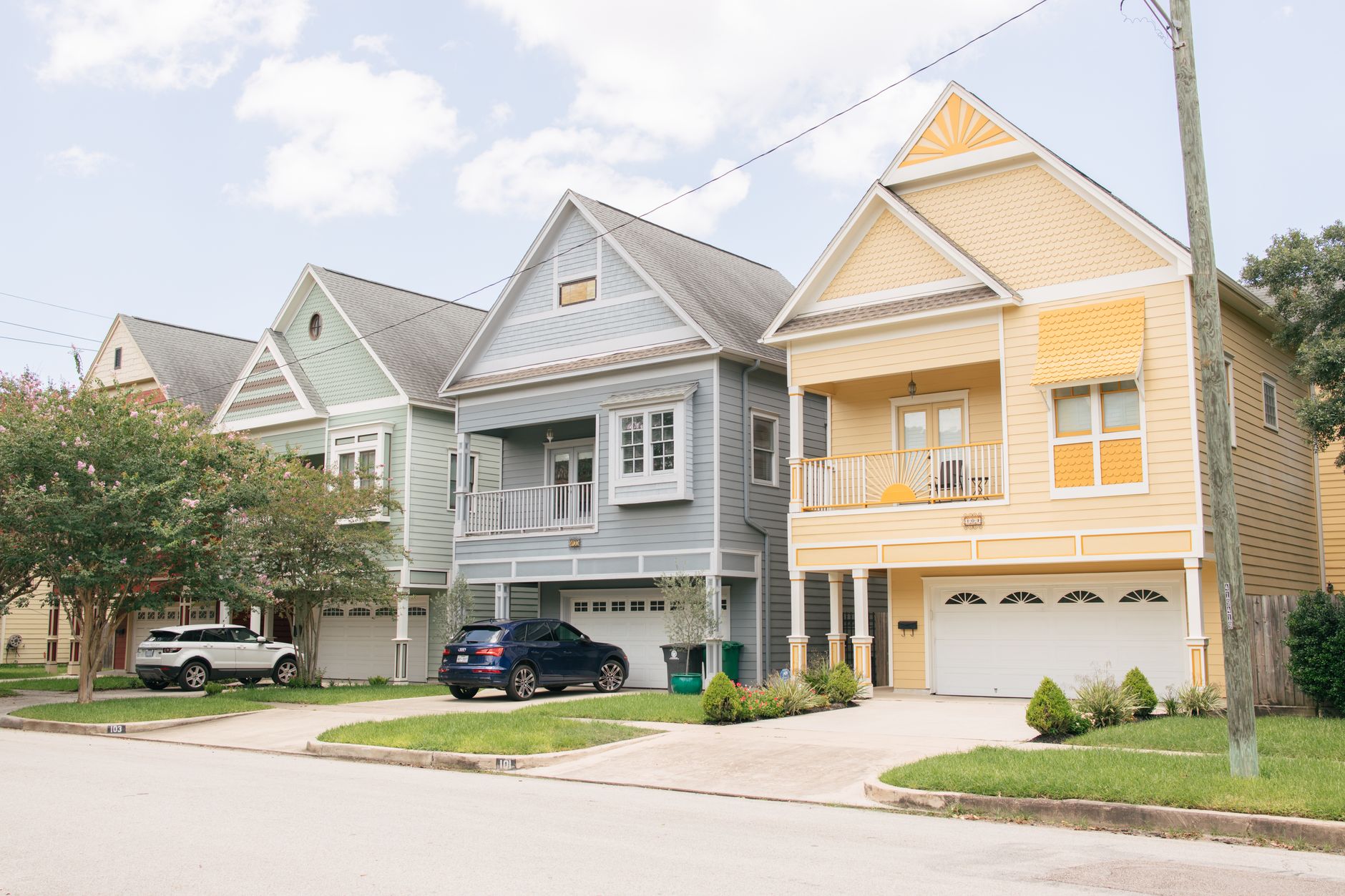
 Photo: Phil Evenden / Pexels
 Photo: Elsie Soto / Pexels
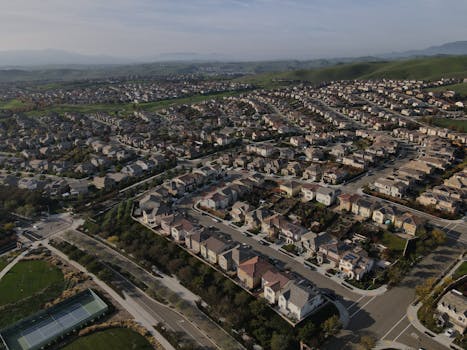 Photo: Deane Bayas / Pexels
 Photo: Kampus Production / Pexels